
Choosing the Best Thoracic Surgeon UK: What Your Surgeon May Not Tell You When Keyhole Surgery Isn’t Enough
Are you a patient searching for the best thoracic surgeon UK for yourself or a loved one? This comprehensive guide is designed specifically for patients and families seeking the highest standard of thoracic surgical care in the UK. Here, you’ll learn how to choose the right thoracic surgeon, what to expect from your surgical journey, and the key questions to ask during consultations. Making an informed choice is crucial—your selection of surgeon and centre can significantly impact your treatment outcomes, recovery, and long-term health. With the right information, you can confidently navigate your options and ensure you receive the best possible care.
Most patients searching for thoracic surgery assume that keyhole (minimally invasive) surgery is always the best, easiest option. The reality is more nuanced. If you’re looking for the best thoracic surgeon UK, it’s important to understand that thoracic surgeons treat a wide range of conditions, including collapsed lung, rib fractures, pectus excavatum, lung cancer, and mediastinal tumours. A responsible surgeon will tell you that the goal is the best long-term outcome—not the smallest scar, and that non-surgical treatment options may also be considered for some thoracic conditions.
What is keyhole surgery and why is it popular?
Keyhole surgery—also called VATS (video-assisted thoracic surgery), uniportal VATS, or robotic thoracic surgery—uses small incisions and a camera to perform operations that previously required large chest openings. The benefits are real:
Less pain
Shorter hospital stays
Faster return to normal activity
Major UK centres, including Imperial College Healthcare NHS Trust, Royal Brompton & Harefield, Cromwell Hospital, and Imperial College London, are among the most prestigious hospitals now performing the majority of eligible lung operations this way. Many surgeons performing keyhole surgery have trained at top university institutions, further highlighting the academic excellence and expertise found in these leading centres.
What is Thoracic Surgery? Main Procedures and Conditions Treated
Thoracic surgery is a medical specialty focused on the surgical treatment of diseases affecting the chest (thorax), including the lungs, chest wall, mediastinum, and diaphragm. Common procedures and conditions treated by thoracic surgeons include:
Lung cancer surgery (lobectomy is the most common procedure)
Chest wall deformities (such as pectus excavatum)
Emphysema
Collapsed lung (pneumothorax)
Chest infections
Mediastinal tumours
Pleural diseases
Minimally invasive thoracic surgery techniques include VATS (Video-Assisted Thoracoscopic Surgery) and robotic surgery. Other procedures include:
Segmentectomy or wedge resection: Removal of smaller portions of the lung for early-stage cancer
Pneumonectomy: Complete removal of a lung, typically for advanced lung cancer
Top-Rated Thoracic Surgeons and Leading Centres in the UK
Current data indicates several surgeons are highly regarded for their expertise in thoracic oncology and robotic procedures. Below is a selection of top-rated thoracic surgeons and leading centres in the UK, along with their areas of expertise:
Surgeon/Centre | Area of Expertise/Recognition |
|---|---|
Mr. Andrea Bille | Thoracic oncology (lung cancer, thymoma, mesothelioma), robotic surgery |
Mr. Nikolaos Panagiotopoulos | Robotic thoracic surgery (lung cancer resections, thymectomy, chest wall deformities) at Cleveland Clinic London |
Mr. Marco Scarci | Lung cancer surgery, minimally invasive techniques (VATS, robotic surgery), over 170 peer-reviewed publications |
Mr. Tom Routledge | Development of robotic thoracic surgery techniques, Da Vinci SP robotic platform |
Mr. Aman Coonar | Lead for thoracic surgery at Royal Papworth Hospital, excellent lung cancer survival rates |
Mr. Kelvin Lau | Lead thoracic surgeon at Barts Thorax Centre, lung cancer, pneumothorax |
Ms. Emma Beddow | Lung cancer, chest wall tumors, pleural mesothelioma at Royal Brompton & Harefield Hospitals |
Mr. Ian Hunt | Leading expert on congenital chest deformities, large chest wall practice at St George’s Hospital |
Professor Eric Lim | Advanced lung cancer, leads Cancer Research Consortia at Royal Brompton Hospital, 70+ peer-reviewed publications |
Mr. Francesco Di Chiara | Introduced uniportal VATS at Oxford University Hospitals, minimally invasive techniques |
Mr. Nizar Asadi | Internationally recognized thoracic surgeon based in London |
When minimally invasive surgery may not be suitable
Not every patient is a candidate for keyhole surgery. Here are situations where a different approach may be safer or more effective:
Large or centrally located tumours: A lung cancer abutting major blood vessels or the airway may require open surgery for safe dissection and complete removal. Attempting keyhole surgery in these cases can increase the risk of serious bleeding or incomplete tumour resection.
Previous chest surgery or severe scarring: Patients who have had prior thoracic procedures, severe pleural infections, trauma, or mesothelioma often have dense adhesions (scar tissue) inside the chest. This can make safe keyhole dissection difficult or impossible.
Significant co-morbidities: Patients with poor heart function or severely reduced lung capacity on pulmonary function tests may actually benefit from an open approach. Paradoxically, a faster open operation can sometimes be safer than a longer keyhole procedure for patients with limited physiological reserve.
Emergency scenarios: In cases of massive bleeding, major surgical trauma, or life-threatening chest injuries, open thoracotomy remains the gold standard. Speed and direct access can save lives.
Bulky lymph nodes or extensive disease: When cancer has spread to lymph nodes in a way that makes keyhole access dangerous, open surgery provides better visibility and control.
In these complex cases, thoracic surgeons and their multidisciplinary teams continually develop new diagnostic tools and treatment protocols to improve outcomes and provide the best possible care for challenging thoracic conditions.
Real risks patients should know
Honest communication about risks is essential:
Conversion to open surgery: Even with the best planning, some keyhole operations must be converted to open thoracotomy during the procedure—typically due to unexpected bleeding, dense adhesions, or tumour characteristics not apparent on imaging. This is not a failure; it’s a safety decision.
Incomplete tumour removal: Choosing the wrong approach can result in inadequate cancer clearance, potentially affecting long-term survival.
Recovery timelines: While keyhole surgery generally means faster recovery, individual variation is significant. Some patients experience prolonged chest pain or air leaks regardless of approach.
Ongoing research in thoracic surgery is focused on reducing these risks and improving patient outcomes through advances in surgical techniques and clinical studies.
How a responsible surgeon decides
A doctor like Mr Scarci decides between keyhole and open approaches based on:
Detailed CT and PET-CT imaging to assess tumour size, location, and lymph node involvement
Pulmonary function tests to measure lung reserve
Cardiology assessments for patients with heart concerns
Multidisciplinary team meetings where oncologists, radiologists, and respiratory physicians review each case
Discussion with the patient about their goals, priorities, and tolerance for risk
Leading surgeons are often actively involved in clinical management, research, training, and education, and may serve as the head of multidisciplinary teams to ensure the highest standards of care.
This process ensures that the surgical plan is tailored to the individual—not driven by a preference for one technique over another.
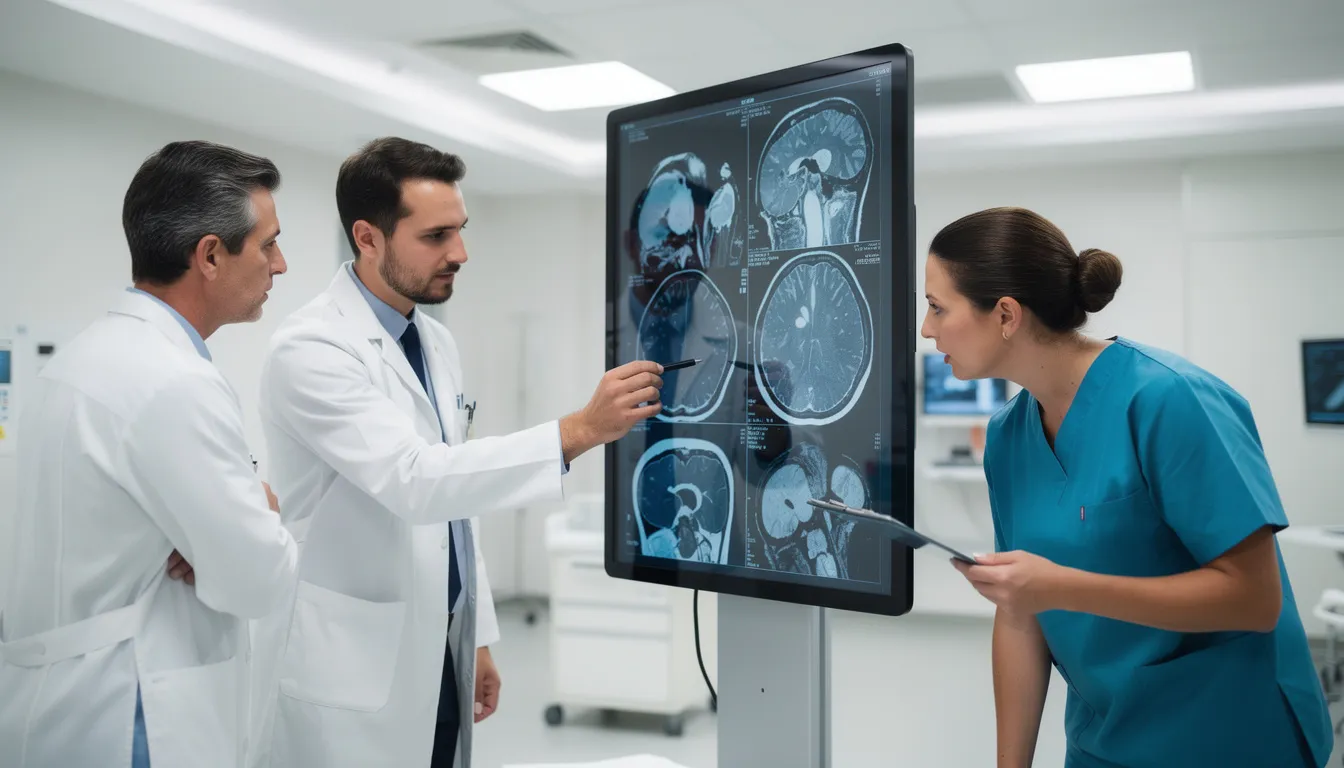
Questions to ask your surgeon
If you’re seeing any thoracic surgeon in the UK, consider asking:
How likely is keyhole surgery for my specific condition?
What factors would make you choose open surgery instead?
What is your personal conversion rate from VATS to open thoracotomy?
If you need to convert during surgery, how will that affect my recovery?
How do you involve the multidisciplinary team in planning my operation?
These questions demonstrate that you understand the nuances of surgical decision-making—and they help you assess whether your surgeon communicates with the transparency you deserve.
What to expect from surgery
Understanding what lies ahead can help ease anxiety and set realistic expectations. With a consultant thoracic surgeon like Mr. Marco Scarci, you’ll benefit from a process designed to prioritise your health, comfort, and long-term outcome.
Preoperative Assessment
Your journey typically begins with a thorough diagnosis and consultation.
Your thoracic surgeon will review your medical history, imaging, and test results to determine the stage and type of lung cancer or other chest condition.
This is often done in collaboration with a multidisciplinary team—including experts in respiratory medicine, cardiothoracic surgery, oncology, and radiology—at a leading lung centre or hospital in London.
Together, they’ll discuss all available treatment options, ensuring your care plan is tailored to your unique needs.
Types of Procedures
If surgery is recommended, your consultant thoracic surgeon will explain the most suitable approach.
Minimally invasive techniques, such as keyhole surgery (VATS) or robotic-assisted procedures, are frequently used to reduce surgical trauma, minimise scarring, and speed up recovery.
Depending on your diagnosis, you may undergo a lobectomy (removal of a lung lobe), segmentectomy (removal of a lung segment), or pneumonectomy (removal of an entire lung collapsed lung).
The choice of procedure depends on the stage and location of your cancer, as well as your overall health and lung function.
Hospital Stay and Recovery
During your hospital stay, you’ll be closely monitored by your surgical and nursing team.
Pain management is a priority, and non-surgical treatments may be offered to help manage discomfort, support breathing, and address any chest wall deformities or complications such as emphysema.
The goal is to help you regain strength and return to daily life as smoothly as possible.
Follow-Up Care
After surgery, follow-up care is essential.
Your thoracic surgeon and the multidisciplinary team will continue to support you with regular check-ups, advice on rehabilitation, and management of any ongoing symptoms.
If needed, additional non-surgical treatments or therapies will be discussed to optimise your recovery and long-term health.
Every patient’s experience with thoracic surgery is unique, and your care plan will reflect your individual circumstances. With the expertise of a consultant thoracic surgeon like Mr. Marco Scarci and the support of a dedicated team, you can expect compassionate, evidence-based care at every stage of your treatment journey.
If you have questions about thoracic surgery, lung cancer surgery, or would like to arrange a consultation or appointment with Mr. Scarci, please visit his website or contact his London office directly. As a leading thoracic surgeon, Mr. Scarci is committed to guiding patients through the process with clarity, expertise, and personalised attention.
What Makes a Top Thoracic Surgeon? Registration, Experience, and Teamwork
When choosing a thoracic surgeon in the UK, it’s essential to:
Ensure the surgeon is on the General Medical Council (GMC) specialist register for thoracic surgery to confirm their qualifications.
Evaluate their experience with minimally invasive techniques such as VATS (Video-Assisted Thoracoscopic Surgery) and robotic surgery, as these approaches are associated with better patient recovery outcomes.
Recognise that high-volume surgeons—those who perform a large number of thoracic procedures annually—often achieve better results. This data can be checked via NHS Choices or the Society for Cardiothoracic Surgery (SCTS).
Confirm that the surgeon works within a multidisciplinary team (MDT), which is essential for providing comprehensive care, especially for cancer treatments.
Choosing a thoracic surgeon in the UK should always involve verifying their specialist registration and evaluating their experience with minimally invasive techniques and MDT collaboration.
How to Choose the Best Thoracic Surgeon in the UK for You
Finding the right surgeon requires more than a Google search. Use this checklist to compare surgeons and hospitals:
Verify specialty focus
Confirm the surgeon is a consultant thoracic surgeon—not a general surgeon or primarily a cardiothoracic surgeon focused on cardiac surgery (mitral valve repair, aortic valve replacement, and similar procedures are cardiothoracic but not thoracic lung work).
Check for FRCS(CTh) or FRCS(Eng) plus specialty society memberships, such as the Royal College, European Association, European Society, Society of Thoracic Surgeons, and International Association. These memberships indicate a commitment to ongoing professional development and recognized expertise in thoracic surgery.
Assess experience and volume
Ask about annual lung cancer surgery volume. Higher volume correlates with better outcomes, and high-volume surgeons often have better results. This data can be checked via NHS Choices or the Society for Cardiothoracic Surgery (SCTS).
Request complication and readmission rates if available.
Confirm participation in national audits like the English National Lung Cancer Clinical Outcomes Publication.
Evaluate minimally invasive expertise
Look for dedicated keyhole, VATS, and robotic training—not just occasional use. Many leading surgeons have trained in England, Cambridge, and internationally, including Canada, to develop advanced minimally invasive skills.
Ask about the surgeon’s approach to complex cases and when they choose open surgery.
Check institutional support
The best outcomes come from established thoracic centres with full MDT support.
Surgeons should be on the General Medical Council (GMC) specialist register for thoracic surgery to ensure their qualifications.
Imperial College Healthcare NHS Trust, Cromwell Hospital, Royal Brompton & Harefield, and similar centres offer oncologists, respiratory medicine specialists, radiologists, pathologists, and specialist anaesthetists.
Consider access and communication
How quickly can you get an appointment?
Is virtual consultation available for initial opinions or second opinions?
What aftercare arrangements are in place?
Will the surgeon explain non-keyhole options honestly?
Example in practice: Mr Scarci’s practice illustrates how these elements come together: high-volume minimally invasive work at major London hospitals, international referrals, academic leadership, and a structured post-operative care pathway. Patients can access his expertise via NHS or private care routes. Professor Eric Lim studied at the University of Sheffield and trained in cardiothoracic surgery in Cambridge and London, while Mr. Marco Scarci qualified as a doctor of medicine with honours in 2001 at Italy’s Università degli Studi ‘Gabriele d’Annunzio’ di Chieti.
Private and NHS Access to Leading Thoracic Surgery with Mr Marco Scarci
Patients can see top thoracic surgeons in the UK through both NHS and private pathways—often in the same prestigious hospitals in London. Understanding your options helps you access the right care efficiently.
If you experience an error when submitting the website enquiry form, please check your details and try again, or contact the hospital directly for assistance.
NHS access
Mr Scarci’s NHS base is Imperial College Healthcare NHS Trust, one of England’s leading academic health centres. Within the NHS, patients access his expertise through formal referral pathways, typically via their GP or a respiratory medicine consultant. MDT pathways for lung cancer, mesothelioma, pneumothorax, and complex chest surgery ensure coordinated care.
Private care
For private care, Mr Scarci consults and operates at:
Cromwell Hospital (South Kensington, west London) – part of The Chest and Lung Group, offering rapid access to CT, PET-CT, pulmonary function tests, and bronchoscopy
The Harley Street Clinic network – via multidisciplinary groups in central London
Other leading London facilities with full diagnostic and surgical capabilities
Insurance and self-pay:
Recognised by major private health insurers including Bupa, AXA PPP, Aviva, and Vitality
Self-pay patients welcome, including those travelling from Europe, the Middle East, and beyond
Booking and response times:
Contact via website enquiry form, email, or telephone
Typical response the next working day (Monday–Friday, excluding UK bank holidays)
Virtual consultations available for initial opinions or second opinions—particularly useful for patients outside London or overseas

Whether through NHS or private care, the priority remains the same: safe, evidence-based surgery with honest discussion of keyhole and open options tailored to the individual.
Access summary:
Route | Hospital/Location | Key Features |
|---|---|---|
NHS | Imperial College Healthcare NHS Trust | Formal MDT pathways, no out-of-pocket cost |
Private | Cromwell Hospital, The Harley Street Clinic | Rapid access, full diagnostics, insurer recognition |
Virtual | Available via both routes | Initial opinions, second opinions, international patients |
Summary: Finding the Right Thoracic Surgeon in the UK
The “best thoracic surgeon UK” isn’t a single name on a ranking list. It’s the specialist who combines technical excellence, minimally invasive expertise, honest advice about the limitations of keyhole surgery, and strong outcomes at a recognised centre. The surgeon who explains when open surgery is safer—and why—is often the one most worthy of your trust. The best thoracic surgeons often have university training at leading institutions, which contributes to their expertise and reputation.
Mr Marco Scarci fulfils these criteria through his London-based NHS and private practice, international training, academic leadership, and focus on keyhole thoracic surgery balanced with surgical judgement. His work at Imperial College Healthcare NHS Trust and Cromwell Hospital reflects a commitment to evidence-based, patient-centred care.
Your next steps:
Use the checklist in this article to compare surgeons you’re considering
Ask the suggested questions at your next consultation
If you’d like a tailored opinion, arrange a face-to-face or virtual consultation with Mr Scarci via his website contact form or by telephone
Choosing the right surgeon is one of the most important decisions you’ll make in your treatment journey. Take the time to find a specialist whose expertise and communication style give you confidence.

