
Lung Cancer Treatment · London · NHS & Private
Lung cancer is no longer a hopeless diagnosis. Modern treatment changes everything.
If you’re reading this, you may have symptoms, a lung cancer diagnosis, or be supporting someone you love. This guide clarifies each step — helping you feel calm, supported, and never alone. Early detection and the right treatment allow many people to recover and return to daily life.

What happens next, explained simply by a consultant thoracic surgeon
Most people who receive a lung cancer diagnosis describe the same feeling: shock, fear, and a torrent of questions they don’t know how to ask. If that’s you — or someone you love — the first thing to know is that lung cancer is no longer the hopeless diagnosis it once was.
The second thing to know is that what happens next matters enormously. Who you see, when you see them, and how quickly treatment begins can change your outcome significantly. The right specialist, at the right time, makes a real difference.
This guide walks you through everything: what lung cancer is, how it is diagnosed, your treatment options, and what recovery looks like. Read at your own pace, then reach out when you’re ready.
“I see patients who have waited weeks or months because they didn’t know they could be seen quickly, or because they assumed surgery wasn’t possible. In most early-stage cases, it absolutely is — and acting promptly changes the outcome.”
Speak with a specialist
Whether you have a new diagnosis or are seeking a second opinion, a consultation gives you a clear picture of your situation and the options available to you.
 Call 020 7459 4367
Types of lung cancer
Knowing your type shapes every decision that follows — from the choice of surgery to which systemic treatments are most effective.
Non-Small Cell Lung Cancer (NSCLC)
Cells tend to be larger and grow more slowly. Subtypes include adenocarcinoma (the most common, often in non-smokers), squamous cell carcinoma, and large cell carcinoma.
Small Cell Lung Cancer (SCLC)
A faster-growing form that often responds well to chemotherapy and radiation therapy. Identifying your type is key to building the most effective treatment plan.
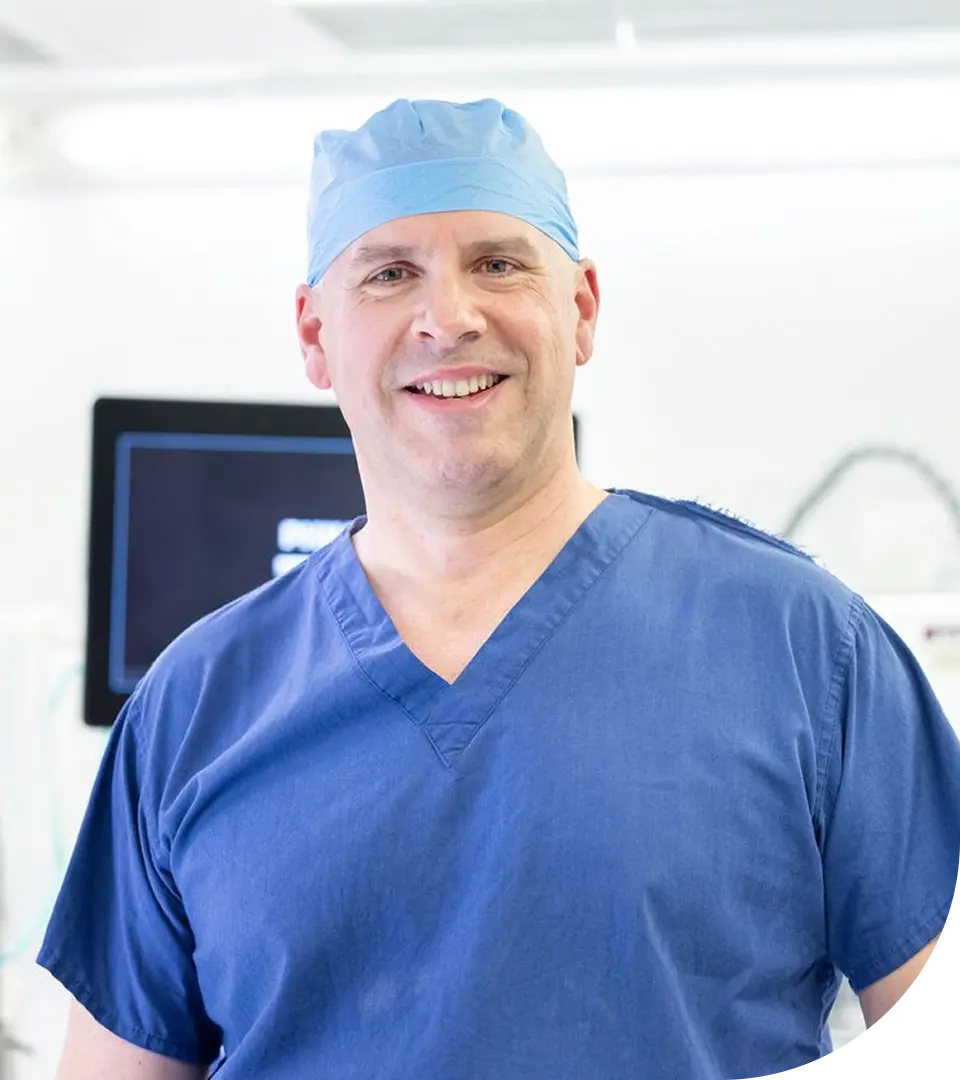
Stage I lung cancer has cure rates exceeding 85–90% with surgery
15–20% of lung cancer patients have never smoked — anyone can be at risk
Most operations are keyhole — patients walk the same day and go home in 1–2 days
Symptoms and risk factors
Early-stage lung cancer often presents with no symptoms at all. If you have any concerns, or one or more risk factors, seek advice promptly. Early diagnosis makes a significant difference to outcomes.
Persistent cough
Lasting more than three weeks, or a cough that changes in character
Coughing up blood
Even small amounts. Always requires prompt investigation
Unexplained shortness of breath
Breathlessness that is new or worsening without obvious cause
Chest pain
That worsens with breathing or coughing, or is persistent
Unexplained weight loss and fatigue
Recurring chest infections or hoarseness that won’t resolve
Risk factors
- ✓Smoking or exposure to secondhand smoke (85% of cases)
- ✓Exposure to radon gas or asbestos
- ✓Air pollution and occupational hazards
- ✓Family history of lung cancer
- ✓Age over 40 — risk increases with age
- ✓Previous radiation therapy to the chest
Lung cancer staging
Your treatment roadmap
Understanding your stage helps your care team create the most effective plan. Every stage has treatment options — and modern medicine continues to improve outcomes at all of them.
The Victory Stage
Cancer confined to the lung. No lymph node involvement. Cure rates exceed 85–90%. Often treated with minimally invasive surgery alone. Excellent long-term prognosis.
Still Highly Treatable
Cancer may have spread to nearby lymph nodes. Cure rates remain high (60–70%). Treatment combines surgery with chemotherapy or radiation. Many patients achieve complete remission.
Advanced but Not Hopeless
Cancer has spread to the chest lymph nodes. Requires combination therapy. Many patients achieve excellent disease control with chemotherapy, radiation, and surgery together.
Modern Medicine’s New Frontier
Cancer has spread to other organs. Targeted therapy and immunotherapy offer new hope. Many patients maintain an excellent quality of life for years.
Choosing the right treatment for your lung cancer
Treatment options — from surgery to targeted therapy
Treatment is always personalised. Mr Scarci will recommend the approach that gives you the best possible outcome based on your cancer type, stage, and overall health.
Minimally Invasive Lung Surgery
Keyhole and robotic surgery offer tiny incisions, less pain, same-day walking, and discharge within 1–2 days. Options include lobectomy (removal of a lobe — most common), segmentectomy (smaller tissue-sparing removal), and pneumonectomy (entire lung, rare cases only).
Chemotherapy
Drugs that kill cancer cells throughout the body. Often combined with surgery or radiation for maximum effect.
Radiation Therapy
High-energy beams to destroy cancer cells. Can be the main treatment or used in combination with other therapies.
Targeted Therapy & Immunotherapy
Targeted therapy attacks specific genetic mutations in cancer cells — usually daily pills with minor side effects. Immunotherapy helps your immune system recognise and fight cancer cells. Selection is based on genetic tumour testing and biomarker profiling.
Key outcomes
What to expect from start to finish
Your diagnosis and treatment journey
Knowing what lies ahead makes everything feel more manageable. Here is exactly what you can expect at every stage.
Initial Consultation
Meet with Mr Scarci to discuss your symptoms and medical history. He reviews any existing results and explains what happens next. Every question is welcome. Most patients seen within one week.
Diagnostics and Imaging
CT scan, PET scan, lung biopsy, genetic tumour testing, and lung function tests. A complete picture before any decisions are made.
Staging and MDT Review
Your case is reviewed by the full multidisciplinary team — Mr Scarci, oncologist, and radiologist — before a recommendation is made.
Your Treatment Plan
Mr Scarci walks you through the recommended plan in full. Every option is explained clearly and honestly. Every decision is made with you, not for you.
Treatment
Surgery, chemotherapy, radiation, or a combination. Minimally invasive surgery wherever possible — most patients walk the same day and go home within 1–2 days.
Follow-Up Care
Regular surveillance scans, direct access to Mr Scarci, and ongoing support throughout your recovery and beyond.
Recovery after lung cancer surgery
Most patients are surprised by how quickly they feel like themselves again. Modern minimally invasive techniques make recovery far easier than traditional surgery.
First week
Walking the same day as surgery. Hospital stay of 1–4 days. Managed pain with minimal discomfort. Breathing exercises begin early to strengthen the lungs.
Getting back on your feet
Gradual increase in activity. Return to light work within 2–3 weeks. A follow-up appointment with Mr Scarci takes place during this period to monitor healing.
Returning to normal life
Return to normal activities including driving, socialising, and gentle exercise. Regular surveillance scans monitor progress. Lung function continues to improve through to month six.
“As a doctor myself, I can say with utmost confidence that you will simply not find a cardiothoracic surgeon with the same depth and breadth of knowledge as Mr Marco Scarci. He is the most brilliant and compassionate thoracic surgeon I have encountered. I am travelling to him from the United States despite being affiliated with Johns Hopkins. He deserves to be in the surgical hall of fame.”
Frequently asked questions
-
Yes, especially when detected early. Stage I lung cancer has cure rates exceeding 85–90%. Even in advanced stages, patients can achieve long-term remission with modern targeted therapy and immunotherapy.
-
Immediately. Every day matters in lung cancer care. Early treatment prevents progression, preserves treatment options, and significantly improves outcomes.
-
About 15–20% of lung cancer patients never smoked. Other risk factors include radon exposure, air pollution, family history, and genetic factors. Non-smokers often respond excellently to targeted therapy.
-
No. Early stages often benefit most from surgery. Advanced cancers may need other treatments, sometimes in combination with surgery. Mr Scarci will discuss all available options at your consultation.
-
Modern minimally invasive techniques make recovery much easier than traditional open surgery. Most patients walk the same day, go home within 1–2 days, and return to normal activities within weeks.
-
Private lung cancer treatment offers immediate access to specialists with no waiting times. Mr Scarci is fee-assured with all major insurers including Bupa, AXA Health, Aviva, Vitality, Cigna, WPA, and Healix. The practice team handles pre-authorisation and insurer communication on your behalf.
-
No. You can book directly with Mr Scarci without a GP referral. Some insurers require a referral letter, but this can run in parallel with your booking and does not need to come first.
-
Mr Scarci practises according to the latest guidelines from NICE, the National Comprehensive Cancer Network, ESTS, and the British Thoracic Society. His mortality is lower than the national average and his length of stay is 25% shorter than the national average.
Your story doesn’t end with a lung cancer diagnosis — it begins a new chapter.
Modern medicine offers remarkable options. Most importantly, you’re not alone in this journey. Take the first step today.
