Complete Guide to Diaphragmatic Plication

If you’re reading this, you or someone you love may be facing the frightening reality of diaphragm paralysis or diaphragm eventration.

In this guide, I will discuss the causes of phrenic nerve injury leading to an elevated hemidiaphragm, with consequent symptomatic diaphragm paralysis and shortness of breath (dyspnea).

Key Takeaways
  • Diaphragmatic plication — a surgical procedure that folds and secures weakened or paralysed diaphragm tissue to restore normal breathing mechanics and improve lung function.
  • Treats diaphragm paralysis and eventration — particularly effective for patients with phrenic nerve injury, unilateral diaphragmatic paralysis, or congenital diaphragmatic weakness causing severe breathlessness.
  • Significant symptom improvement — 80-95% of patients experience dramatic reduction in shortness of breath, better exercise tolerance, and improved quality of life after surgery.
  • Multiple surgical approaches available — including minimally invasive VATS (video-assisted thoracoscopic surgery), robotic-assisted surgery, and traditional open thoracotomy, each tailored to patient needs.
  • Recovery typically takes 2-6 months — with most patients leaving hospital within 3-7 days and gradually returning to normal activities with ongoing pulmonary rehabilitation support.
  • Cost ranges from £15,000 to £60,000 — depending on surgical approach, surgeon expertise, hospital stay duration, and whether minimally invasive or open surgery is performed.
  • Long-term results are excellent — patients maintain breathing improvements for many years, with reduced respiratory infections, better sleep quality, and enhanced energy levels.
  • Ideal candidates experience severe symptoms — including breathlessness when lying flat, chronic fatigue, recurrent pneumonia, and reduced exercise tolerance despite conservative treatments.

Table of Contents

What Is Diaphragm?

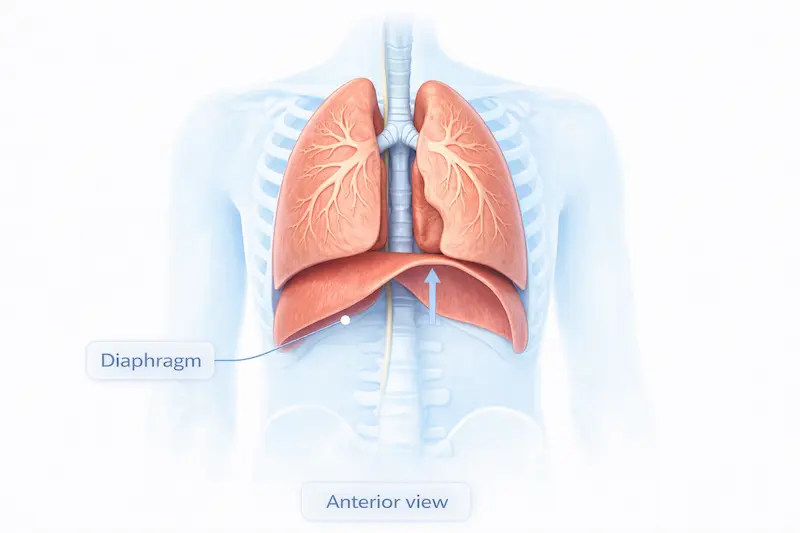
Your diaphragm is a dome-shaped muscle that sits beneath your lungs and serves as the primary driver of your breathing. When healthy, it contracts and flattens during inhalation, creating space for your lungs to expand. During exhalation, it relaxes and returns to its dome shape, helping push air out of your lungs.

In unilateral diaphragm paralysis (also called diaphragmatic paralysis or eventration), this natural rhythm is disrupted. Instead of moving down as it should, part of the diaphragm moves upward, working against your breathing and creating the exhausting cycle of breathlessness that many patients describe as “feeling like I’m drowning in air.”

Diagram of lungs and diaphragm with upward motion, related to diaphragmatic plication

What is Diaphragmatic Plication?

Diaphragm plication is a surgical procedure designed to restore the normal position and function of your diaphragm. The word “plication” comes from the Latin word meaning “to fold.” During this procedure, your surgeon carefully folds and secures the weakened or paralysed portion of your diaphragm, creating a tighter, more stable surface that can better support your breathing.

What Types of Diaphragmatic Conditions Are Treated?

Diaphragmatic Paralysis:

This occurs when the phrenic nerve, which controls your diaphragm, is damaged or cut during cardiac surgery, lung surgery, or due to trauma, infection, or tumours.

Diaphragmatic Eventration:

A condition in which the diaphragm is weakened or underdeveloped, causing it to balloon upward into the chest cavity. Some patients are born with a dysfunctional diaphragm (congenital eventration).

Unilateral vs. Bilateral:

The condition can affect one side (unilateral diaphragmatic paralysis) or both sides (bilateral diaphragmatic paralysis) of your diaphragm. Unilateral cases are more common and often have better outcomes with diaphragm plication surgery.

Who Needs Diaphragmatic Plication for Diaphragmatic Elevation?

Symptomatic patients might be a candidate for diaphragmatic plication if they are experiencing:

Severe symptoms of shortness of breath, especially when lying flat or during physical activity

Chronic fatigue that limits your daily activities

Recurrent pneumonia or respiratory infections

Sleep disturbances due to breathing difficulties

Reduced exercise tolerance affects your quality of life

Your medical team will consider several factors when determining if plication is right for you:

The severity of your symptoms

How long have you had the condition?

Your overall health and fitness for surgery

Whether conservative treatments have been unsuccessful

The results of pulmonary function tests and imaging studies

Mr Marco Scarci in a consultation with a patient in an office setting

What To Expect From Surgical Treatment?

Pre-Surgical Preparation

Comprehensive medical evaluation, including heart and lung (pulmonary) function tests

Smoking cessation support, if needed, as smoking significantly impacts healing

Surgical Approaches

There are several ways your surgeon can perform diaphragmatic plication:

Non Intubated Right VATS Uniportal Upper Lobectomy

Thoracotomy (Open Surgery): The traditional approach involves making an incision in the chest wall to access the diaphragm directly. While this requires a larger incision, it provides excellent visualisation and control for complex cases.

Nuss Procedure for correction of Pectus Excavatum

Thoracoscopic diaphragm plication (VATS): This minimally invasive approach uses small incisions and a camera to guide the surgery. VATS often results in less pain, shorter hospital stays, and faster recovery.

Robotic surgical system in a modern operating room used for minimally invasive lung cancer surgery

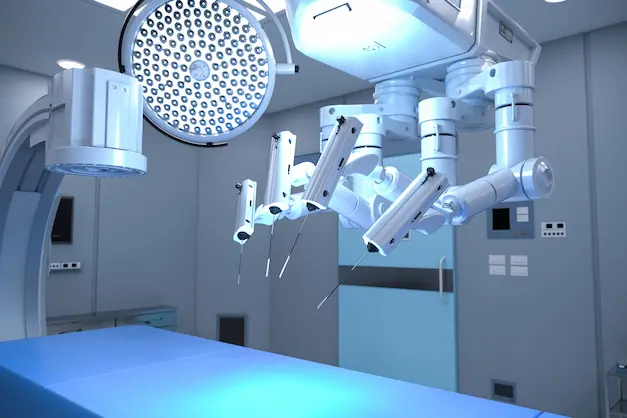
Robotic diaphragm plication: Robotic-assisted surgery may be used in some instances, offering enhanced precision when performed by experienced surgeons.

What is Diaphragmatic Plication?

Diaphragm plication is a surgical procedure designed to restore the normal position and function of your diaphragm. The word “plication” comes from the Latin word meaning “to fold.” During this procedure, your surgeon carefully folds and secures the weakened or paralysed portion of your diaphragm, creating a tighter, more stable surface that can better support your breathing.

Position you under general anaesthesia

Access your chest cavity through the chosen surgical approach

Identify the weakened or paralysed diaphragm

Create carefully placed folds (plications) in the diaphragm muscle

Secure each fold with a strong, permanent suture

Ensure proper positioning and tension

Place a temporary chest tube to remove air and fluid

Close the incisions

Have questions about the procedure?

What is Diaphragmatic Plication?

Diaphragm plication is a surgical procedure designed to restore the normal position and function of your diaphragm. The word “plication” comes from the Latin word meaning “to fold.” During this procedure, your surgeon carefully folds and secures the weakened or paralysed portion of your diaphragm, creating a tighter, more stable surface that can better support your breathing.

Immediate Postoperative Period (Hospital Stay)

Your hospital stay will typically last 3-7 days, depending on your surgical approach and individual healing.

During this time:

  • Pain management is a priority, with medications and techniques tailored to your needs
  • Breathing exercises and early mobilisation help prevent complications
  • A chest tube drains fluid and air, and doctors usually remove it within 2-3 days
  • Gradual activity increase as tolerated, starting with sitting and walking

The First Month at Home

This period is critical for healing and establishing new patterns:

  • Follow your activity restrictions – typically no lifting over 10 pounds
  • Practice breathing exercises as taught by your respiratory therapist
  • Take medications as prescribed, including pain management and infection prevention
  • Attend all follow-up appointments for wound care and progress monitoring

Long-Term Recovery (2-6 Months)

Most patients see continued improvement during this period:

  • Gradual return to normal activities, including work and exercise
  • Ongoing pulmonary rehabilitation to maximise breathing capacity
  • Regular imaging studies to monitor the position and function of your diaphragm
  • Lifestyle modifications to support long-term respiratory health

What are the Success Rates and Outcomes?

Studies show diaphragmatic plication has high success rates:

80-95% of patients experience significant improvement in breathing

Reduced Breathlessness. Dramatic reduction in shortness of breath during daily activities

Better Exercise Tolerance. Improved exercise tolerance and quality of life

Fewer Infections. Reduced risk of respiratory infections

Better Sleep. Improved sleep quality and more restful nights

More Energy. Enhanced energy levels and vitality

Long-Term Prognosis

Most patients maintain their breathing improvements for many years after surgery. While the repaired diaphragm may not function exactly like a healthy one, the plication creates a stable platform that significantly improves respiratory mechanics.

A specialist can assess your case and explain your expected outcome.

What are the Success Rates and Outcomes?

Studies show diaphragmatic plication has high success rates:

Common, Minor Complications:

  • Temporary pain at the incision site
  • Mild bleeding or bruising
  • Short-term changes in voice (if the recurrent laryngeal nerve is affected)

Less Common, Serious Complications:

  • Infection requiring additional treatment
  • Bleeding requiring a blood transfusion
  • Injury to surrounding organs
  • Persistent air leak from the lung

Rare but Serious Complications:

  • Heart rhythm problems
  • Stroke or blood clots
  • Failure of the plication requires additional surgery.

Your surgical team will take every precaution to minimise these risks, and most patients experience uncomplicated recoveries.

Are there Alternatives To Surgical Pilcation?

Before considering surgery, your medical team may explore other treatment options:

Conservative Management:

  • Pulmonary rehabilitation and breathing exercises
  • Non-invasive ventilation support at night
  • Treatment of underlying conditions
  • Lifestyle modifications

Diaphragmatic Pacing:

For some patients with phrenic nerve injury, electrical stimulation of the nerve may be an option.

Supportive Care:

In some cases, managing symptoms without surgery may be the best approach, particularly for patients with significant other health conditions.

The right option depends on your condition — a specialist can guide you.

Are there Alternatives To Surgical Pilcation?

Before considering surgery, your medical team may explore other treatment options:

Older woman in a light blue cardigan looking upward in a thoughtful pose

Experience and Specialisation:

It's helpful to choose a thoracic surgeon with regular experience in diaphragmatic procedures.

Ask about their experience with your specific condition.

Inquire about their success rates and complication rates.

Hospital Quality Measures:

Choose a centre with experience in complex thoracic procedures.

Look for hospitals with robust respiratory therapy programs.

Consider centres with dedicated thoracic surgery units.

Multidisciplinary Support:

Ensure access to pulmonologists, respiratory therapists, and rehabilitation specialists.

Look for centres that offer comprehensive pre- and postoperative care.

Consider the availability of support services for patients and families.

Supporting Your Recovery: Tips for Patients and Families

For Patients:

Be patient with your recovery – healing takes time.

Follow your medical team's instructions carefully.

Stay active within your limitations.

Communicate openly about your symptoms and concerns.

Join support groups for patients with similar conditions.

For Family Members:

Provide emotional support without being overprotective.

Help with practical matters during early recovery.

Encourage adherence to medical recommendations.

Learn about the condition and its treatment to understand the journey better.

Take care of your own emotional needs during this stressful time.

Financial Considerations and Insurance Coverage

Understanding the financial aspects of your treatment is essential for planning:

Insurance Coverage:

Most insurance plans, including Medicare, cover diaphragmatic plication when it’s medically necessary. Work with your healthcare team and insurance company to understand your coverage.

Cost Factors:

The total cost includes surgeon fees, hospital charges, anaesthesia, and follow-up care. Minimally invasive approaches can lower costs by reducing hospital stays.

Financial Assistance:

Many hospitals offer financial counselling and assistance programs for patients who need help managing medical expenses.

Marco Scarci, lung cancer second opinion specialist, seated in a professional clinical setting.

The right option depends on your condition — a specialist can guide you.

What are the Cost and Insurance Options?

Diaphragmatic plication offers real hope for patients struggling with the debilitating effects of diaphragmatic paralysis or eventration. While the decision to have surgery is never easy, for many patients, it represents the path back to a fuller, more active life. Remember that you are not alone in this journey.

Your medical team, family, and fellow patients who have walked this path are all resources for support and encouragement. With proper preparation, skilled surgical care, and committed recovery efforts, most patients find that diaphragmatic plication gives them something invaluable:

the ability to breathe easily again.

The road to recovery requires patience and dedication, but the destination – improved breathing, increased energy, and renewed quality of life – makes the journey worthwhile. Trust your medical team, believe in your body’s ability to heal, and look forward to a brighter, more breathable future.

This information is provided for educational purposes and should not replace consultation with qualified medical professionals. Always discuss your specific situation with your healthcare team to determine the best treatment approach for your individual needs.

Your
Questions Answered

Expert answers to common questions about thoracic surgery, recovery and what to expect.

Surgery Type (Minimally Invasive vs. Open Surgery)

The cost for keyhole surgery typically ranges from £15,000 to £40,000, including surgeon fees, anaesthesia, and hospital charges. Robotic-assisted surgery can be more expensive due to the advanced technology involved, with costs ranging from £25,000 to £50,000.

Open surgery, which may require a more extended hospital stay and intensive care unit stay, can cost between £30,000 and £60,000 or more, depending on the complexity of the procedure.

Surgeon's Fees

The surgeon's fees will vary based on their level of expertise and geographic location. Surgeons in urban areas or those with specialised knowledge in thoracic surgery or diaphragmatic disorders may charge more for their services. These fees can range from £5,000 to £15,000, depending on the complexity of the case and the surgeon's experience.

Anaesthesia Fees

Anaesthesia fees are another factor in the procedure's total cost. For general anaesthesia, the price can range from £1,000 to £3,000, depending on the duration of the surgery and the anesthesiologist's fee.

Preoperative and Postoperative Care

Preoperative evaluations (including imaging tests such as X-rays, CT scans, or MRI scans) may add £500 to £3,000 to the total cost of the surgery.

Postoperative care, including follow-up visits, medication, and possible physical therapy, may cost an additional £1,000 to £5,000.

It is an effective treatment for patients with diaphragmatic dysfunction, including diaphragmatic eventration, phrenic nerve paralysis, and diaphragmatic weakness. The procedure is particularly beneficial for patients who experience severe respiratory distress and have not found relief from conservative treatments like ventilatory support or respiratory therapy.

If you are struggling with breathing difficulties due to diaphragmatic dysfunction, consult with a thoracic surgeon or pulmonary specialist to determine whether this type of surgery is the right solution for you. Your healthcare provider will evaluate your overall health, the extent of diaphragmatic dysfunction, and other factors to ensure that the surgery provides the best possible results.

Ready to receive expert Lung and Chest Treatments in London?

Contact me today to schedule your consultation. Your journey to better health starts with a single phone call.

Book Your Appointment

WhatsApp 020 7459 4367