
Living with hyperhidrosis can feel isolating and overwhelming. If you’re reading this, you likely understand the daily challenges of excessive sweating – the embarrassment of constantly damp clothes, the anxiety before social situations, and the frustration of trying countless remedies that promise relief but deliver disappointment. You’re not alone in this journey, and more importantly, you have options. I hear weekly patient stories, and as I have helped you, I will do the same for you. I was the Director of the largest centre for this pathology in Europe.
Hyperhidrosis affects millions of people worldwide, yet it remains a condition that many suffer through in silence. The good news is that medical science now offers a wide range of effective hyperhidrosis treatments, from simple lifestyle modifications to advanced surgical procedures, such as Endoscopic Thoracic Sympathectomy (ETS). This guide will walk you through every available treatment option, helping you understand your choices and make informed decisions about your care.
Before diving into treatment options, it’s essential to understand that hyperhidrosis is a legitimate medical condition, not a personal failing or lack of hygiene. Primary hyperhidrosis typically begins in childhood or adolescence and affects specific areas such as the palms, feet, underarms, and face. Secondary hyperhidrosis, on the other hand, typically develops later in life and may be triggered by underlying medical conditions or certain medications.
The impact of hyperhidrosis extends far beyond physical discomfort. Many patients report feeling anxious in social situations, avoiding certain activities, or experiencing decreased quality of life.
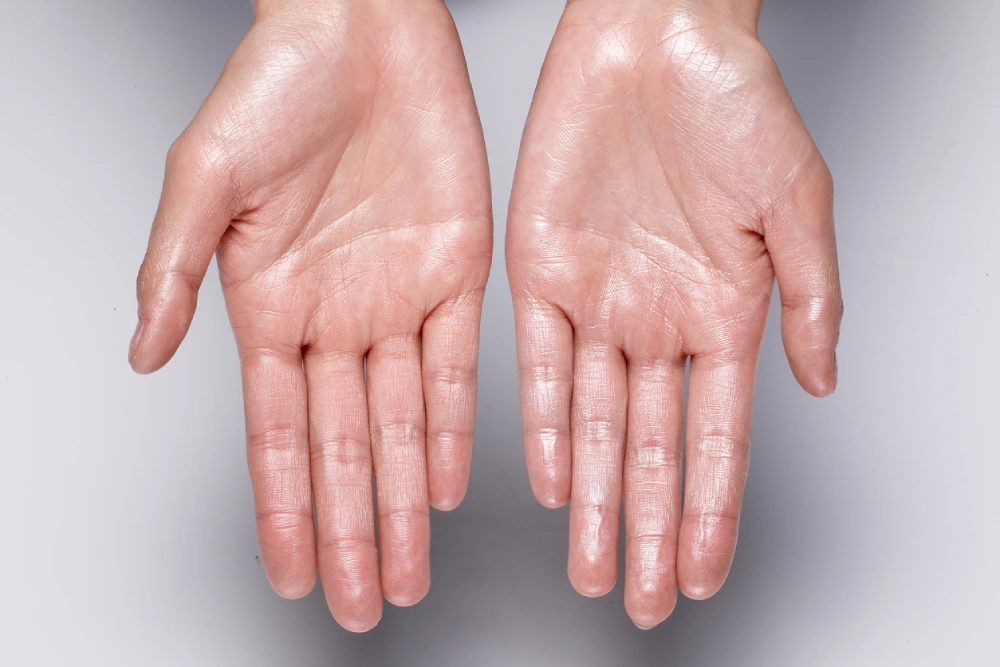
Primary hyperhidrosis typically begins in childhood or adolescence and affects specific areas such as the palms, feet, underarms, and face.
Secondary hyperhidrosis, on the other hand, typically develops later in life and may be triggered by underlying medical conditions or certain medications.
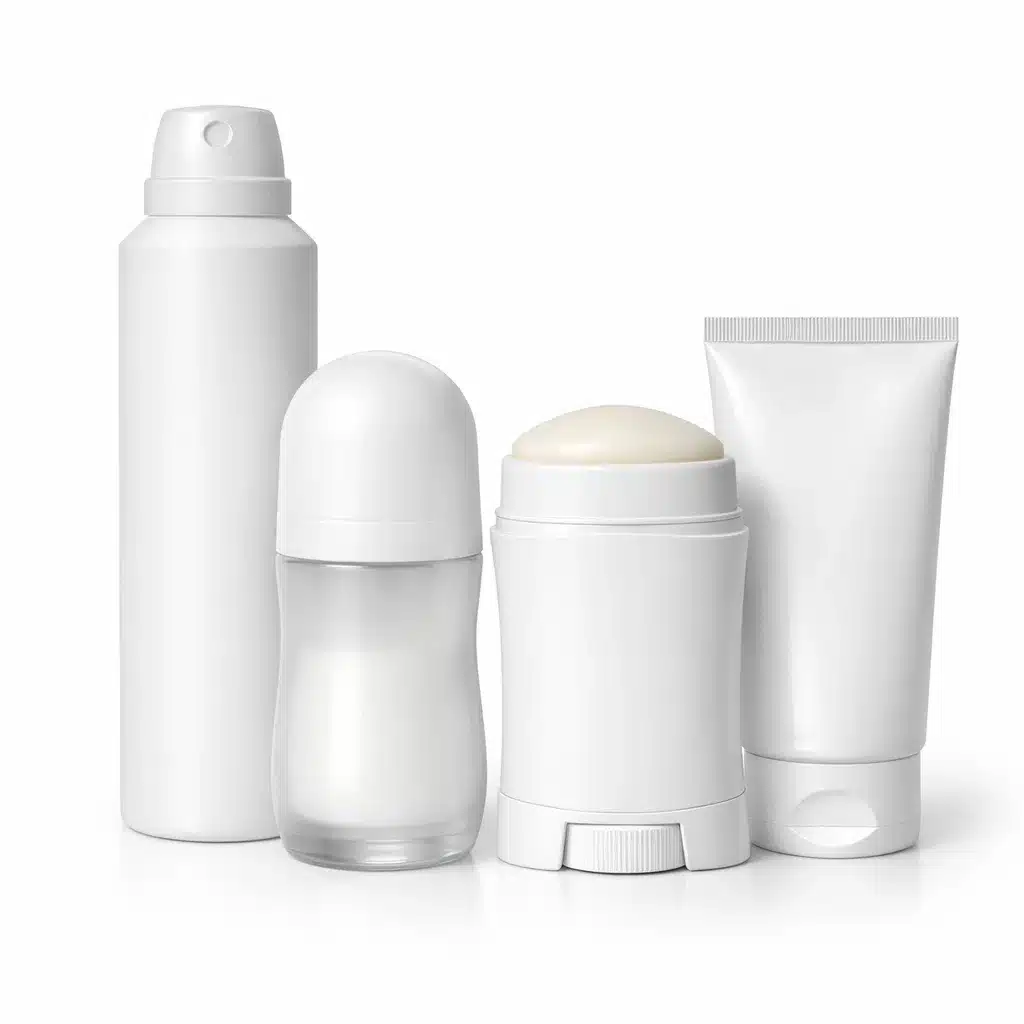
The journey to managing hyperhidrosis often begins with clinical-strength antiperspirants. Unlike regular deodorants, medical-grade antiperspirants contain higher concentrations of aluminium chloride, which blocks eccrine sweat glands (that is, overactive sweat glands) more effectively.
Apply to dehydrated skin before bedtime
Allow the product to work overnight when sweat production is lowest
In the morning, you can apply regular deodorant over the antiperspirant
Be patient – it may take several weeks to see optimal results
Consider prescription-strength options if over-the-counter products aren’t sufficient
Iontophoresis represents a breakthrough for many people living with hyperhidrosis, particularly those with palmar (hand) and plantar (foot) hyperhidrosis. This FDA-approved treatment uses a mild electrical current passed through water to temporarily turn off sweat glands.
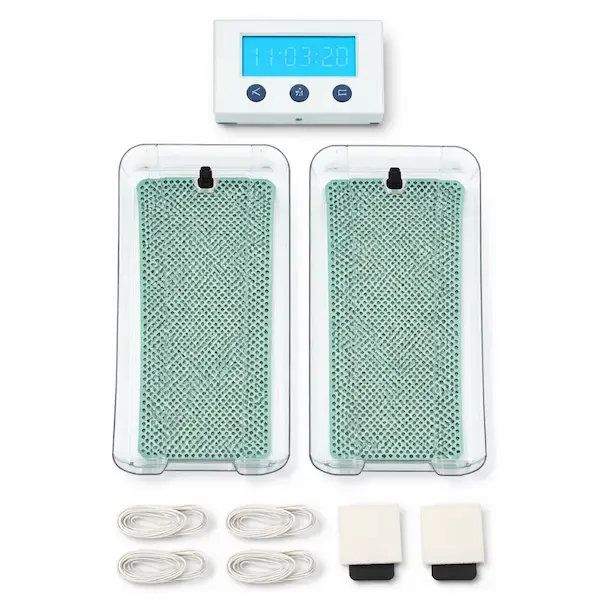
The treatment involves placing hands or feet in shallow water baths connected to a device that generates a low-level electrical current. The exact mechanism isn’t fully understood, but it’s believed that the electrical current and minerals in the water work together to block sweat ducts temporarily.
Initial phase: Daily 20-30 minute sessions for 1-2 weeks
Maintenance phase: 1-3 sessions per week
Results typically last 4-6 weeks between maintenance sessions
Home devices are available, making long-term treatment convenient
Studies show that iontophoresis is effective for 70-80% of patients with palmar and plantar hyperhidrosis. The treatment is generally well tolerated, with minor skin irritation as the most common side effect. Several devices are available for home treatment, making long-term management more convenient.
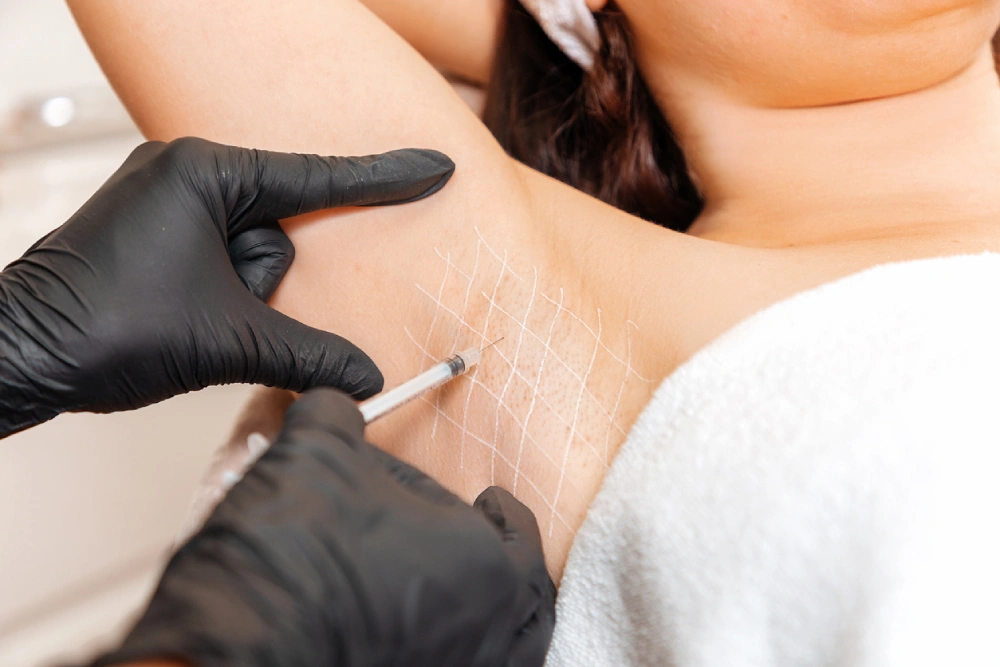
Botulinum toxin (commonly known by brand names such as Botox) has revolutionised hyperhidrosis treatment by providing targeted relief for focal hyperhidrosis. This topical treatment works by blocking the nerve signals that stimulate sweat glands, effectively reducing sweat production in the treated area.
Armpit sweating (axillary hyperhidrosis) – most common and effective
Palms and feet – effective but may cause temporary weakness
Face and scalp – requires careful technique to avoid facial asymmetry; it is beneficial for gustatory sweating
Other localised areas, as determined by your physician
The procedure typically takes 15 to 30 minutes, depending on the treatment area. For underarm treatment, doctors administer multiple small injections in a grid pattern across the affected area. A clinician may apply a topical numbing cream beforehand to minimise discomfort.
Effects typically begin within 2-7 days
The treatment reaches peak effectiveness at 2 weeks
Results last 4-12 months, varying by individual and location
Repeat treatments maintain effectiveness
Studies show high success rates for treating underarm sweating with this method.
For patients with generalised hyperhidrosis or those who haven’t responded to topical treatments, oral medications may provide relief. These systemic hyperhidrosis treatments work throughout the body but require careful monitoring due to potential side effects.

Glycopyrrolate: Most commonly prescribed, blocks nerve signals to sweat glands
Oxybutynin: Originally developed for bladder conditions, it shows promise for hyperhidrosis
Propantheline: Less widely used due to side effects
Dry mouth and eyes
Constipation
Drowsiness or dizziness
Blurred vision
Heat intolerance
Beta-blockers may help with stress-induced sweating
Antidepressants can address both anxiety and hyperhidrosis symptoms
Calcium channel blockers show promise in some patients
MiraDry is a newer non-invasive treatment that targets sweat glands in the underarms. This FDA-approved treatment permanently destroys sweat glands in the underarm area, offering long-lasting results without surgery.
The treatment uses precisely controlled microwave energy to heat and eliminate sweat glands while cooling and protecting the skin surface. Doctors perform the procedure in the clinic under local anaesthesia.
For patients with severe hyperhidrosis who haven’t found relief through conservative treatments, Endoscopic Thoracic Sympathectomy (ETS) offers hope for a permanent solution. This minimally invasive surgical procedure has helped thousands of patients reclaim their lives from excessive sweating.ETS involves interrupting the sympathetic nerve chain that controls sweating in specific areas of the body. The procedure is performed through tiny incisions using a small camera (endoscope) and specialised instruments, allowing surgeons to target the problematic nerves precisely.
Doctors typically recommend ETS for patients who:
ETS surgery has shown high success rates in clinical studies.:
The most significant consideration with ETS is compensatory hyperhidrosis – increased sweating in untreated areas of the body, which occurs in 60–90% of patients to varying degrees:
Advances in surgical technique and careful patient selection have helped reduce the risk of severe compensatory sweating, but it remains an essential factor to discuss with your surgeon.
Studies following ETS patients for 5-10 years show:
Hyperhidrosis treatment has evolved dramatically over the past decade, and patients now have access to highly effective options ranging from conservative approaches to definitive surgical solutions like ETS. While the journey to finding the proper treatment may require patience and persistence, the potential for significant improvement in your quality of life makes the effort worthwhile.
Remember that seeking treatment for hyperhidrosis is not about vanity or perfectionism – it’s about reclaiming your comfort, confidence, and freedom to live life on your terms. Whether you find relief through clinical antiperspirants, botulinum toxin injections, or surgical intervention, the goal is the same: helping you feel more comfortable in your own skin.
This information is for educational purposes only and should not replace professional medical advice. Always consult a qualified healthcare provider before making decisions about hyperhidrosis treatment.
Expert answers to common questions about thoracic surgery, recovery and what to expect.
Excessive sweating, or hyperhidrosis, is a condition where the body produces more sweat than necessary to regulate temperature. It commonly affects the palms, underarms, face, and feet.
There are two types of hyperhidrosis:
Seek medical advice if:
Treatment options include:
ETS is a minimally invasive surgical procedure that interrupts the nerves responsible for excessive sweating. Doctors typically use it for severe cases of primary hyperhidrosis affecting the palms, underarms, or face.
Recovery is usually quick, with most patients resuming normal activities within a week. Some may experience mild chest discomfort, which subsides in a few days.
Contact me today to schedule your consultation. Your journey to better health starts with a single phone call.
Take the first step towards expert thoracic care. Dr. Scarci's minimally invasive surgical techniques offer the best chance for successful outcomes with faster recovery times.
London, UK
Multiple clinic locations available
24/7 emergency support available
Book your consultation through the
portal for a direct call with the surgeon

 020 7459 4367