
Receive gentle, reassuring guidance from London specialists and modern facilities. This pathway clarifies each step, helping you feel calm, supported, and never alone.
If you’re reading this, you may have symptoms, a lung cancer diagnosis, or be supporting someone. Lung cancer is no longer a hopeless diagnosis. Modern medicine has transformed outcomes—cancer deaths are less common.
Early detection and lung cancer treatment options allow many people to recover and return to daily life.
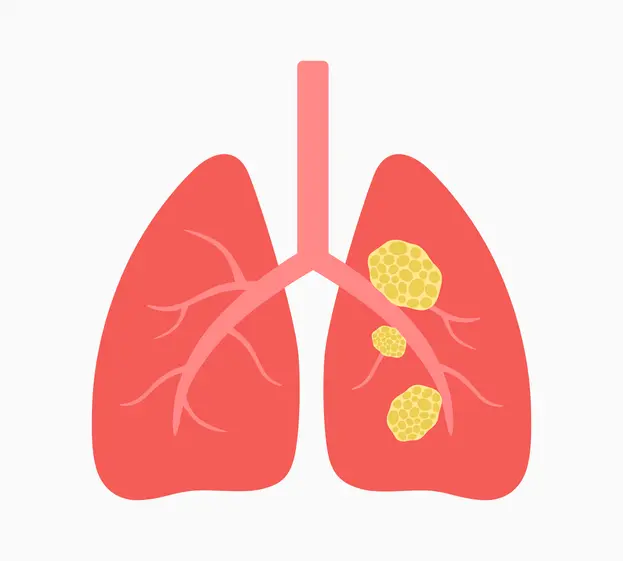
Lung cancer begins when normal cells in your lung tissue become cancer cells and start growing abnormally. However, when caught early and treated by an experienced lung cancer healthcare professional, the outcomes can be remarkably positive.
There are two main types of lung cancer:
cells tend to be larger and grow more slowly. This type accounts for about 85% of lung cancer cases. NSCLC includes:
· Adenocarcinoma (the most common type now, often in non-smokers and forms in cells lining the lungs that make mucus or other substances)
· Squamous cell carcinoma
· Large cell carcinoma
is a fast-growing form of lung cancer, but it often responds well to small cell lung cancer treatment, including chemotherapy and radiation therapy. This type accounts for roughly 15% of all lung cancer cases.
Knowing your lung cancer type helps your care team create the most effective treatment plan.
Primary symptoms requiring immediate consultation:
If you have any of these symptoms, especially if they persist or worsen, book an urgent appointment with your GP or specialist. Request a lung cancer screening or further investigation right away. Early diagnosis is crucial for better outcomes.
Lung cancer screening can find cancer long before symptoms appear. Screening is recommended for people who:
Currently smoke or quit within the past 15 years
Cure rates remain high (60-70%)
Requires combination therapy
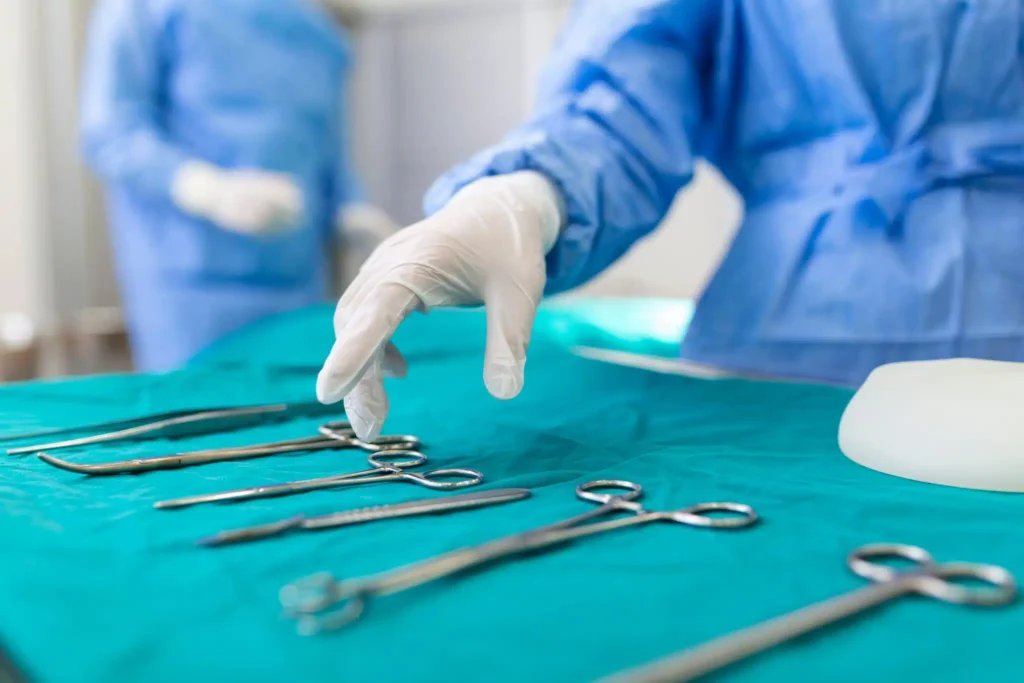
Modern keyhole surgery and robotic lung surgery offer:
Lobectomy
Is the removal of the affected lung lobe. Most common operation for lung cancer.
Segmentoctomy
Removal of entire lung (rare, for advanced cases)
Pneumonectomy
Removal of entire lung (rare, for advanced cases)
Chemotherapy uses drugs that kill cancer cells throughout the body. It is often combined with surgery or radiation.
Radiation Therapy – Uses high-energy beams (like X-rays) to destroy cancer cells. It can be the main treatment or used in combination with other therapies.
Targeted therapy uses medication to attack specific genetic changes (mutations) found in cancer cells. Most of these medications are taken as daily pills and usually cause only minor side effects.
Immunotherapy helps your immune system recognize and fight cancer cells. It works well for some types of lung cancer.
Modern lung cancer treatment uses genetic tumor testing. This helps identify specific mutations and allows for targeted therapy based on your cancer’s profile.
Personalized treatment plans for optimal results
Meet with a lung cancer specialist to discuss symptoms and medical history.
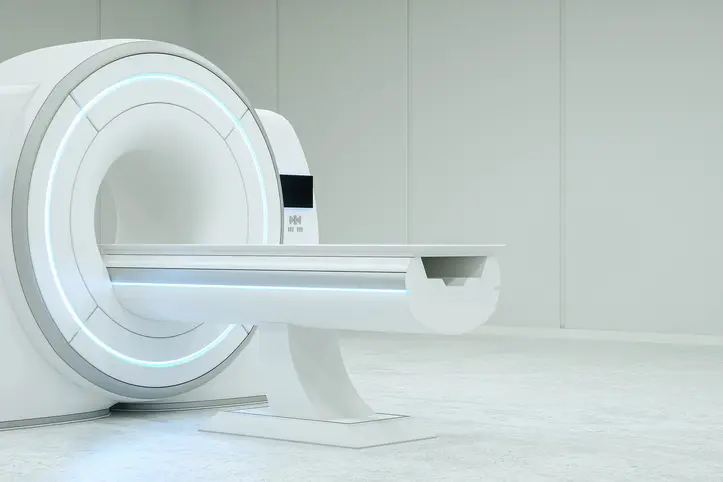
- These tests may include a low-dose CT scan and chest x-ray. Sometimes, they include a bone scan and magnetic resonance imaging. These check for brain metastases or chest wall involvement.
- PET scan (or positron emission tomography) to check for cancer spread.
- A lung needle biopsy is a procedure that uses a thin needle to remove a small sample of lung tissue. This test confirms the diagnosis, shows the type of lung cancer, and helps determine if you qualify for new immunotherapy treatments.
- Genetic testing of tumor tissue analyzes genes in cancer cells.
- Sputum cytology examines airway mucus (sputum) under a microscope for abnormal or cancerous cells from your windpipe (trachea).
Determine the extent of cancer spread to other parts of the body to plan treatment.
Your multidisciplinary team develops a personalized treatment plan.
Begin surgery, chemotherapy, radiation, or a combination of these.
Regular monitoring to detect recurrence and manage long-term effects.
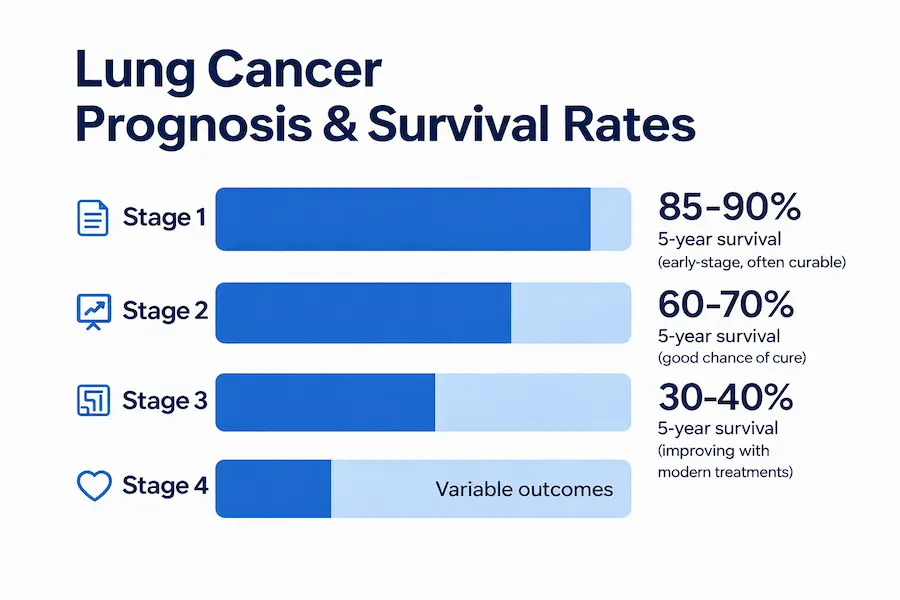
Yes, especially when detected early. Stage 1 lung cancer has cure rates exceeding 85-90%. Even in advanced stages, patients can achieve long-term remission with modern treatments.
Immediately. Every day matters in lung cancer care. Early treatment prevents progression, preserves treatment options, and improves outcomes. Always trust a health professional who is part of a multidisciplinary team.
Private lung cancer treatment offers invaluable benefits, including immediate access to specialists, no waiting times, advanced surgical techniques, and personalized care. Many insurance providers cover lung cancer treatment.
Modern minimally invasive techniques make recovery much easier than traditional surgery. Most patients walk the same day, go home within 1-2 days, and return to normal activities within weeks.
About 15-20% of lung cancer patients never smoked. Other risk factors include radon exposure, air pollution, family history, and genetic factors. Non-smokers often respond excellently to targeted therapy.
Recognize – Acknowledge that evaluation could save your life
Consult – Book a consultation with a lung cancer specialist
Evaluate – Get comprehensive diagnostic testing
Plan – Develop a personalized treatment approach
Act – Begin treatment with confidence and hope
Your story doesn’t end with a lung cancer diagnosis – it begins a new chapter. Modern medicine offers remarkable options, including minimally invasive surgery, targeted therapy, immunotherapy, personalized treatment plans, groundbreaking clinical trials, and comprehensive support.
Most importantly, you’re not alone in this journey. Lung cancer specialists offer not just medical expertise but compassionate support, clear communication, and unwavering commitment to your healing.
Take the first step today. Your future self and your loved ones will thank you for acting with courage and hope.
This guide represents the collective wisdom of leading lung cancer specialists and real patient experiences. For personalized medical advice specific to your situation, please
UK-based charity providing expert cancer information, emotional support, and practical guidance.
Visit website →The world’s largest independent cancer research organization funding life-saving studies.
Visit website →Trusted global source of cancer information, research, prevention, and patient support.
Visit website →Focused on lung health through research, education, and advocacy initiatives.
Visit website →Official NHS guidance on lung cancer symptoms, diagnosis, and treatment options.
Visit website →Evidence-based U.S. government resource on lung cancer research and clinical care.
Visit website →Contact me today to schedule your consultation. Your journey to better health starts with a single phone call.
Take the first step towards expert thoracic care. Dr. Scarci's minimally invasive surgical techniques offer the best chance for successful outcomes with faster recovery times.
London, UK
Multiple clinic locations available
24/7 emergency support available
Book your consultation through the
portal for a direct call with the surgeon
 020 7459 4367