
Overview: When Rib and Back Pain Needs Attention
Pain around the ribs and back is a common complaint that affects people of all ages. While most cases stem from muscle strain or minor injuries, this type of pain can also result from certain injuries to the rib cage, which protects vital organs. Sometimes, pain in this area can signal serious problems with the lungs, heart, or abdominal organs that require urgent medical attention.
If you’re experiencing pain in this area, you may notice symptoms such as a sharp or stabbing sensation along the rib cage, a dull ache radiating from the chest to the mid-back, or burning discomfort that wraps around from front to back like a band. Many people feel pain that worsens when taking a deep breath, coughing, sneezing, or making certain movements like twisting or bending. Common symptoms of pain around the ribs and back can help with diagnosis and may include localized tenderness, swelling, or difficulty breathing, which are important to differentiate from other conditions.
As a consultant thoracic surgeon in London, Mr Marco Scarci regularly assesses patients with rib and back pain to rule out serious thoracic causes and offer minimally invasive treatment where surgery is needed. Understanding which symptoms warrant urgent attention can help you make the right decision about seeking care. Rib and back pain can sometimes be a sign of an underlying health condition that may require prompt attention.
Call 999 or attend A&E immediately if you experience:
Sudden severe chest pain, especially with breathlessness or collapse
Sudden chest pain that comes on quickly and unexpectedly
Pain spreading to your jaw, neck, or left arm
Coughing up blood (haemoptysis)
Chest tightness or pressure with sweating and nausea
Severe pain after chest trauma with difficulty breathing
High fever with chest pain and confusion
Sudden tearing pain radiating through to your back
Some causes, such as pulmonary embolism or gallstones, require immediate treatment to prevent life-threatening complications. Rib pain radiating to the back may also indicate underlying medical conditions such as kidney stones or gallbladder infections.
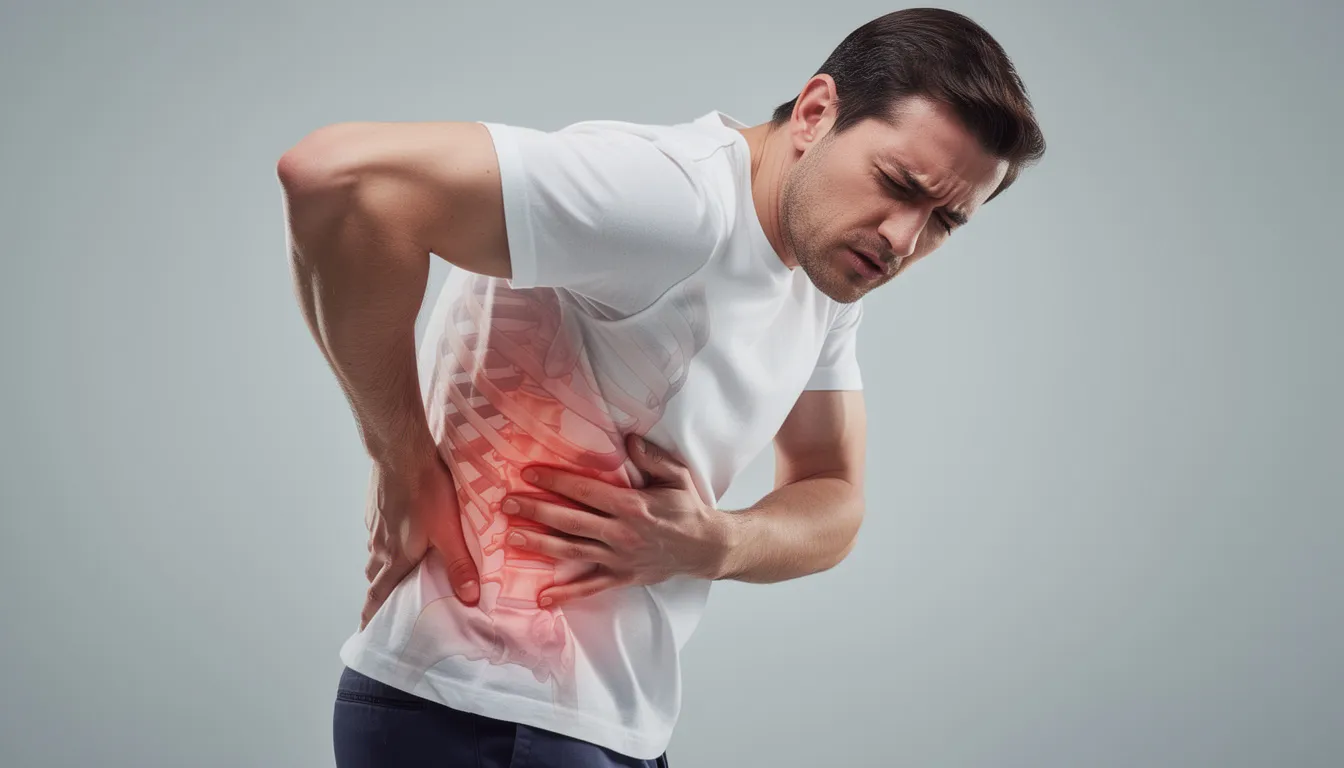
Understanding Pain Around the Ribs and Back
The rib cage is a complex structure comprising 12 pairs of ribs that connect to the thoracic spine at the back and curve around to meet the breastbone at the front. Each rib attaches to the spine through small joints called the costovertebral and costotransverse joints, while the intercostal muscles run between the ribs to help with breathing and trunk movement.
Pain around the ribs can originate from multiple sources—bones, joints, muscles, the pleural lining of the lungs, the heart, or organs in the upper abdomen such as the liver, gallbladder, stomach, pancreas, or kidneys. This is why the same symptom can have very different causes and requires careful assessment.
Key distinctions to consider:
Type of Pain | Typical Features |
|---|---|
Musculoskeletal | Related to movement or posture, tender to touch, improves with rest, often one-sided |
Internal/Thoracic | Associated with breathing difficulty, cough, fever, weight loss, or night sweats |
Referred from organs | May accompany nausea, vomiting, changes in urine or bowel, jaundice |
The sections below explore specific causes in detail, helping you understand when back rib pain might be a minor nuisance and when it could indicate something requiring prompt medical review.
Anatomy of the Rib Cage
The rib cage, or thoracic cage, is a remarkable structure designed to protect some of the body’s most vital organs, including the heart, lungs, and liver. Composed of 24 ribs arranged in 12 pairs, the rib cage also includes the sternum (breastbone) at the front and two clavicles (collarbones) at the top. The ribs themselves are categorized into three types: true ribs, which attach directly to the sternum; false ribs, which connect indirectly or fuse with other cartilage; and floating ribs, which are only attached to the spine at the back.
This intricate arrangement not only shields the organs but also supports breathing and movement. Because the ribs are connected to both the spine and the sternum, any issue—whether it’s a pulled muscle, joint irritation, or inflammation—can cause pain that radiates through the chest, rib cage, and upper back. Floating ribs, in particular, are more susceptible to injury due to their lack of front attachment, making them a common source of rib pain and upper back pain. Understanding the anatomy of the rib cage is crucial for pinpointing the root cause of chest pain, rib pain, or back pain, and for guiding effective treatment and recovery.
Common Musculoskeletal Causes of Rib and Back Pain
Strains, sprains, and joint irritation are among the most frequent—and usually least serious—causes of pain around the ribs and back. These musculoskeletal problems account for the majority of cases seen in clinical practice and typically respond well to conservative treatment.
Consider a 45-year-old office worker who develops sharp one-sided rib pain after a bout of heavy coughing from a chest infection. Or a weekend athlete who feels a sudden twinge in their back under the shoulder blades after an awkward golf swing. These scenarios illustrate how everyday activities can strain the muscles, ligaments, and joints of the chest wall.
Intercostal Muscle Strain
The intercostal muscles are thin bands of muscle tissue that sit between each rib, playing a vital role in expanding and contracting the rib cage during breathing. When these muscles are stretched beyond their normal limits, an intercostal muscle strain occurs.
Typical symptoms include:
Sharp or stabbing pain along the rib line
Pain worse with deep breathing, coughing, laughing, or sneezing
Discomfort when rotating or bending the upper body
Possible muscle spasms in the affected area
Tenderness when pressing over the ribs
Common triggers for this type of muscle strain include sudden twisting while lifting heavy objects, intense exercise without proper warm-up, awkward reaching movements, or weeks of persistent coughing from a respiratory infection. Heavy lifting and sudden movements are particularly common culprits.
Basic management includes:
Rest from aggravating activities for a few days
Ice application in the first 48 hours, then gentle heat
Over-the-counter anti-inflammatory medication if appropriate
Gradual stretching and strengthening once acute pain settles
You should seek medical review if breathlessness, fever, or significant trauma accompanies your pain, or if symptoms don’t improve over one to two weeks despite self-care.
Costovertebral and Costotransverse Joint Pain
The costovertebral joints and costotransverse joints are small articulations where each rib connects to the thoracic spine. These joints can become inflamed or irritated through poor posture, heavy lifting, repetitive strain, or minor trauma.
The pain pattern is typically a localised ache or sharp pain beside the spine or between the shoulder blades, sometimes radiating around the ribs like a band towards the front. Many patients describe upper back pain that seems to wrap around their chest.
What helps distinguish this from heart or lung problems is that deep breaths, coughing, or spinal movements—particularly extension and rotation—often reproduce the symptoms. The pain is usually mechanical, meaning it changes with position and movement.
Conservative treatment approaches:
Postural correction, especially for desk workers
Physiotherapy focusing on thoracic mobility
Manual therapy techniques
Gentle mobility exercises
Short-term pain relief medication
Medical assessment is advisable if pain occurs alongside neurological symptoms such as numbness or weakness in the arms, or with systemic signs like fever, night sweats, or unexplained weight loss.
Rib Bruises and Fractures
Direct trauma to the chest wall—whether from contact sports, falls onto the side, or road traffic collisions—can cause bruised or broken ribs. Even minor injuries can be surprisingly painful given how much the ribs move with every breath.
Hallmark symptoms:
Sharply localised rib pain at the injury site
Pain worse when pressing the affected area
Increased discomfort with breathing deeply, coughing, or lying on the affected side
Possible visible bruising over the chest wall
Research indicates that 20-30% of rib micro-fractures may not show on standard X-rays, sometimes requiring CT scanning for accurate diagnosis.
Isolated uncomplicated rib fractures typically heal over four to six weeks with adequate pain control. However, it’s essential to distinguish these from more serious injuries such as pneumothorax (collapsed lung) or haemothorax (blood around the lung).
Seek urgent help if you notice:
Increasing breathlessness
Rapid heart rate or dizziness
Cough with blood
Severe pain despite adequate analgesia
In complex cases involving multiple or unstable fractures, a thoracic surgeon such as Mr Scarci may be involved to stabilise the chest wall using modern surgical fixation techniques, helping patients breathe more comfortably and recover faster.

Inflammatory Chest Wall Conditions
Costochondritis and Tietze syndrome are common inflammatory conditions affecting the cartilage where ribs join the breastbone. These can cause front chest pain that radiates around to the back, often mimicking more serious cardiac problems.
Costochondritis involves inflammation of the costochondral junctions—the areas where rib cartilage meets the sternum. It typically causes pain that is typically sharp in the chest area, usually on one side, and worsens when taking deep breaths, stretching, or pressing over the affected rib joints. Up to 70% of cases have no identifiable cause, though viral infections, physical trauma, and overuse can be triggers.
Tietze syndrome is similar but distinguished by visible or palpable swelling over the upper costal cartilages. Both conditions can produce pain that patients and even healthcare professionals initially worry might be cardiac in origin.
Consider this scenario: A 38-year-old woman presents to A&E convinced she’s having a heart attack. She has sharp pain in the left side of her chest that worsens when she takes a deep breath. After cardiac tests return normal, careful examination reveals tenderness over the second and third costochondral junctions—classic costochondritis.
Standard management once serious causes are excluded:
Reassurance that the condition is benign and self-limiting
Non-steroidal anti-inflammatory medications
Activity modification to avoid aggravating movements
Local heat application
Costochondritis can be treated with heating pads and over-the-counter nonsteroidal anti-inflammatory drugs (NSAIDs).
Occasionally, corticosteroid injections for persistent cases
The key message is that chest pain from inflammatory chest wall conditions can feel alarming but is treatable once correctly diagnosed.
Osteoporosis and Rib Pain
Osteoporosis is a condition where bones become thin and fragile due to loss of bone mineral density. It’s particularly prevalent in post-menopausal women and older adults, affecting a significant proportion of the UK population over age 65.
When osteoporosis affects the ribs, even minor trauma—or sometimes no obvious injury at all—can cause micro-fractures. Vigorous coughing, bending awkwardly, or simply lifting a heavy shopping bag may be enough to crack a weakened rib.
Typical symptoms include:
Localised tenderness over one or more ribs
Pain on breathing and movement
Multiple levels of discomfort if several ribs are affected
Pain that may develop suddenly or build gradually
One illustrative case involves a 60-year-old woman with insidious bilateral rib and upper back pain. Investigations revealed a DEXA scan T-score of -3.2, indicating severe osteoporosis with micro-fractures in several ribs. Management with bisphosphonates halved her risk of further fractures.
If you have known osteoporosis, are on long-term steroid medication, or have a low body weight and develop unexplained rib or back pain, you should be assessed for fractures and underlying bone health.
Management typically includes: For insights into patient experiences and satisfaction with treatment approaches, see our patient testimonials.
Fall risk assessment and prevention strategies
Bone-strengthening medication under specialist supervision
Vitamin D and calcium optimisation
Supervised weight-bearing exercise
Complicated osteoporotic fractures involving the spine or multiple ribs may require input from a multidisciplinary team including thoracic and spinal specialists.
Fibromyalgia and Widespread Rib–Back Pain
Fibromyalgia is a chronic pain condition affecting approximately 2% of adults. It causes widespread musculoskeletal pain, including discomfort in the rib cage and mid-back, often alongside profound fatigue and sleep disturbances.
Characteristic features include:
Diffuse aching or burning pain on one or both sides of the body
Profound fatigue that doesn’t improve with rest
Non-refreshing sleep
Sensitivity to touch at specific “tender points,” including along the costochondral margins
Cognitive difficulties sometimes called “fibro fog”
It’s important to understand that rib and back pain in fibromyalgia is typically not linked to structural damage. Instead, it results from altered pain processing in the nervous system—the pain signals become amplified, causing sensations that feel disproportionate to any physical findings.
This condition is sometimes described as myofascial pain syndrome when trigger points in the thoracolumbar fascia perpetuate localised pain cycles.
Typical management strategies:
Graded exercise programmes
Cognitive behavioural approaches
Targeted medications such as certain antidepressants or anticonvulsants
Sleep hygiene and support for mood
Physiotherapy focusing on gentle stretching and conditioning
Living with fibromyalgia can significantly impact daily function, work, and mental health. If you’re struggling with widespread chronic pain including around your ribs and back, know that effective help is available—but it’s equally important to exclude other thoracic causes before attributing symptoms solely to this condition.
Infections, Lung Disease and Serious Thoracic Causes
Some causes of rib and back pain are potentially life threatening and require prompt diagnosis. This is especially true when pain is accompanied by shortness of breath, fever, or coughing up blood.
Pneumonia and Pleurisy
Pneumonia—infection of the lung tissue—can cause sharp, stabbing pain on one side of the chest that’s felt both at the front and in the back. The pain typically worsens on deep breathing or coughing. Associated symptoms include fever, chills, productive cough, and feeling generally unwell.
Pleurisy involves inflammation of the pleura, the thin membrane lining the lungs and chest wall. It produces characteristic pleuritic pain—sharp and worse with breathing—often described as a “catch” in the chest.
Pulmonary Embolism
Pulmonary embolism occurs when a blood clot travels to the lungs, blocking blood flow. It’s a medical emergency with mortality rates of 10-30% if untreated, dropping to less than 5% with prompt anticoagulation.
Warning signs include:
Sudden onset pleuritic chest or rib pain
Breathlessness that seems out of proportion
Rapid heart rate
Possibly coughing up blood
Recent long-haul travel, surgery, or immobility
A pulmonary embolism is a life-threatening emergency that requires immediate treatment if accompanied by rib and back pain.
Red Flag Signs Requiring Emergency Care
Symptom | Possible Serious Cause |
|---|---|
Sudden breathlessness with chest pain | Pulmonary embolism, pneumothorax |
High fever with chest pain | Severe pneumonia, lung abscess |
Coughing up blood | Lung cancer, PE, severe infection |
Rapid deterioration | Multiple serious causes |
Do not delay seeking emergency care if you experience these symptoms. Investigations often include chest X-ray, CT scan, blood tests (including D-dimer), and sometimes CT pulmonary angiography, frequently coordinated by thoracic specialists.
Lung Cancer and Chest Wall Tumours
Lung cancer can present with dull, aching, or sharp pain in the chest and back when a tumour involves the pleura, chest wall, or vertebrae. It remains one of the most common cancers and a leading cause of cancer-related mortality.
Common associated symptoms in smokers or ex-smokers over 40:
Persistent cough for more than 3 weeks
Coughing up blood
Unexplained weight loss
Breathlessness
Recurrent chest infections
Hoarseness or voice changes
Metastatic spread to ribs or spine may cause localised, persistent rib related pain, often worse at night or when lying down.
Mr Marco Scarci, as a thoracic surgeon in London, is involved in the diagnostic pathway—including minimally invasive biopsies—and surgical management of early-stage lung cancers using keyhole (VATS) or robotic techniques. Early referral and imaging, such as low-dose CT in people with risk factors, can dramatically improve outcomes.
The statistics are sobering: stage III lung cancer with metastases to ribs carries approximately 85% five-year mortality, underscoring the importance of early detection.
Pleural Disease and Collapsed Lung (Pneumothorax)
The pleura is the thin lining surrounding the lungs and inner chest wall. When air leaks into the space between these layers, a pneumothorax (collapsed lung) occurs, causing sudden, sharp pain around the ribs and back with breathlessness.
Spontaneous pneumothorax often affects tall, slim young adults, though it can also occur in people with underlying lung disease or after trauma.
Symptoms requiring urgent A&E review:
Abrupt one-sided chest and upper back pain
Difficulty breathing
Fast heart rate
Feeling faint or lightheaded
Treatment ranges from observation and oxygen therapy to needle aspiration, chest drain insertion, or minimally invasive surgery. Procedures like VATS pleurodesis or bullectomy, commonly performed by thoracic surgeons like Mr Scarci, can prevent recurrence.
Pleural effusion—fluid accumulating around the lung—is another cause of chest pressure and discomfort, often related to infection, heart failure, or cancer.
Abdominal and Organ-Related Causes of Rib and Back Pain
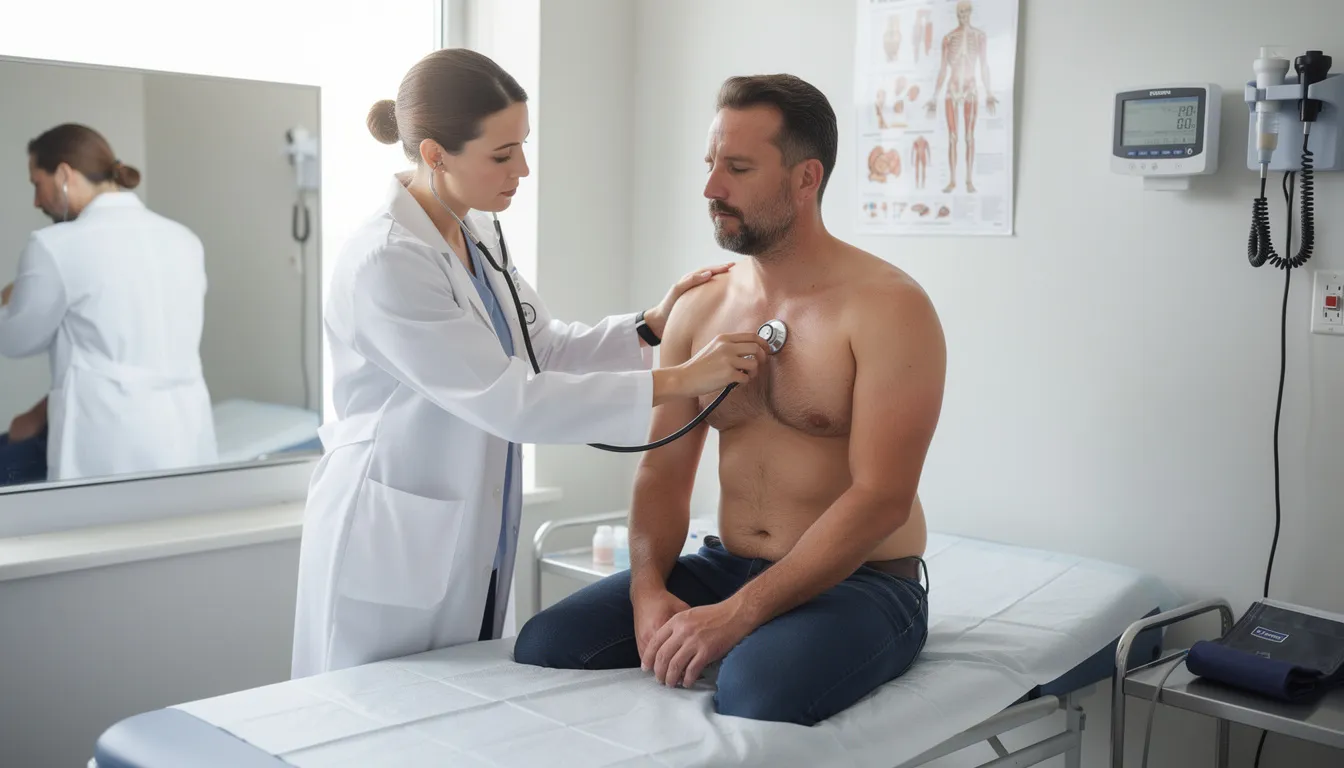
Referred pain occurs when problems in one part of the body are felt in another location. Upper abdominal organs can produce pain that’s experienced under the ribs and into the back, sometimes confusing patients and clinicians alike.
Organs under the right rib cage at the back:
Part of the liver
Gallbladder
Disease in these structures can produce pain radiating from the right flank or upper abdomen to the shoulder blade or mid-back.
Left-sided structures:
Left kidney
Spleen
Stomach
Persistent pain under the ribs with systemic symptoms such as fever, jaundice, vomiting, or blood in urine warrants GP or specialist assessment and imaging.
Gallbladder and Liver Problems
Gallstone pain (biliary colic) typically presents as sudden, intense pain under the right rib cage that may spread to the right shoulder blade or mid-back. It’s often triggered by fatty meals and can last from 30 minutes to several hours.
Acute cholecystitis—an inflamed gallbladder—causes severe right upper abdominal and rib pain accompanied by fever, nausea, and tenderness. This requires urgent hospital evaluation.
Liver conditions such as hepatitis, liver congestion, or tumours can produce a dull ache or sense of fullness under the upper ribs and sometimes discomfort in the back.
Standard investigations include blood tests, abdominal ultrasound, and CT or MRI scans. Treatment of gallbladder and liver disease is led by general or hepatobiliary surgeons, with thoracic surgeons involved only when thoracic complications arise.
Kidney and Urinary Tract Conditions
The kidneys sit high in the back beneath the lower ribs, so kidney problems commonly cause flank pain that can wrap towards the front of the abdomen.
Kidney stones produce severe, colicky pain starting in the side or back below the ribs, often moving towards the groin. Associated symptoms include nausea, sweating, and blood in the urine.
Kidney infection (pyelonephritis) causes dull or sharp flank and rib-back pain with fever, chills, painful urination, and feeling generally unwell. These urinary tract infections require prompt antibiotic treatment.
These conditions can mimic musculoskeletal rib pain but require different investigations—urine analysis, blood tests, ultrasound, or CT urogram—and prompt treatment. Seek urgent review if pain is severe or accompanied by systemic symptoms.
Gastrointestinal and Pancreatic Causes
Several upper gastrointestinal conditions can cause pain under the ribs and into the back:
Peptic ulcers
Severe acid reflux
Gastritis
Functional dyspepsia
Other causes of chest pain can include costochondritis, an inflammation of the chest cartilage.
Pancreatitis deserves special mention—it causes sudden, severe upper abdominal pain radiating straight through to the back, often with nausea, vomiting, and feeling extremely unwell. This requires emergency hospital care.
Don’t self-diagnose “indigestion” if you have persistent or severe pain under the ribs, especially if you’re over 55 or have alarm symptoms such as weight loss, difficulty swallowing, vomiting blood, or black stools.
What Causes Rib Pain Without an Obvious Injury?
Many people experience rib and back pain without any clear accident or trauma. This can be puzzling and concerning, but several explanations exist.
Non-traumatic musculoskeletal causes:
Muscular tension from stress or anxiety
Long periods at a computer with poor posture
Carrying young children on one hip
Heavy bags worn asymmetrically
Repetitive occupational movements
Medical causes already discussed:
Costochondritis
Fibromyalgia
Osteoporosis with micro-fractures
Lung disease
Gallbladder or kidney issues
Lifestyle factors contributing to rib pain:
Heavy smoking leading to chronic cough and sore intercostal muscles
Sedentary behaviour weakening postural muscles
Poor sleep quality increasing pain sensitivity
Muscle stiffness from lack of movement
If you have persistent “unexplained” rib or back pain lasting more than two to three weeks, or pain associated with other symptoms, proper medical evaluation is advisable rather than relying on self-treatment alone.
Slipping Rib Syndrome and Other Less Common Conditions
Slipping rib syndrome (sometimes called rib syndrome) is a condition where the lower ribs (8th-10th) move excessively due to lax or damaged cartilage, irritating nearby nerves and surrounding muscles.
Symptoms include:
Intermittent sharp pain or popping sensation at the lower chest or upper abdomen
Pain sometimes radiating to the back
Symptoms triggered by certain positions, twisting, or coughing
A “clicking” or “slipping” sensation
Diagnosis is largely clinical and may be confirmed with dynamic ultrasound or diagnostic nerve blocks. The ribs attach to the spine at the back and to cartilage at the front—when this cartilage becomes hypermobile, the ribs can essentially slip out of position.
Other rarer causes of focal rib or back pain:
Chest wall tumours (benign or malignant)
Benign rib lesions
Nerve entrapment syndromes
Thoracic surgeons such as Mr Scarci may be involved in surgical stabilisation of slipping ribs or removal of chest wall tumours using minimally invasive or reconstructive techniques.
When Should You Worry About Rib and Back Pain?
Understanding when to seek help can be challenging. Here’s a practical guide to help you decide.
Key Symptoms of Concern
Call 999 immediately for:
Symptom | Potential Serious Cause |
|---|---|
Chest pain spreading to jaw or left arm | Heart attack |
Sudden tearing pain radiating to the back | Aortic dissection |
Shortness of breath at rest | Pulmonary embolism, pneumothorax |
High fever with severe chest pain | Severe pneumonia, sepsis |
Coughing up blood | Lung cancer, PE, severe infection |
Severe pain after trauma with breathing difficulty | Rib fractures with lung injury |
New neurological symptoms (weakness, numbness) | Spinal cord involvement |
Contact your GP promptly or call NHS 111 for:
Pain persisting longer than a few weeks
Unexplained weight loss
Night sweats or fevers
New or changing cough
Pain waking you from sleep
History of cancer
Features suggesting less serious musculoskeletal pain:
Clearly related to movement or posture
Improves with rest and simple painkillers
Tender to touch at a specific point
Settles over one to two weeks
No associated systemic symptoms
Online resources can guide your understanding, but they cannot replace individual medical assessment, especially for complex or persistent pain. When in doubt, err on the side of caution and seek professional help.
Diagnosing Pain Around the Ribs and Back
When you see a doctor about rib and back pain, expect a thorough assessment. This typically includes:
History taking:
When the pain started and how it developed
Exact location and any radiation
What makes it better or worse
Associated symptoms (breathlessness, cough, fever, weight loss)
Relevant medical history and risk factors
Physical examination:
Inspection and palpation of the chest wall
Assessment of spinal movement
Listening to heart and lungs
Abdominal examination if indicated
Common investigations:
Test | What It Helps Identify |
|---|---|
Chest X-ray | Lung problems, rib fractures, pneumothorax |
Thoracic spine X-ray | Vertebral fractures, degenerative changes |
CT scan of chest | Detailed lung assessment, tumours, PE |
MRI of spine | Disc problems, nerve compression, soft tissue |
Ultrasound | Abdominal organ pathology, pleural fluid |
Blood tests | Infection markers, cardiac enzymes, D-dimer |
ECG | Heart rhythm and ischaemia |
In complex thoracic cases, referral to a consultant thoracic surgeon such as Mr Scarci may be arranged for specialist interpretation and planning of further investigations—for example, bronchoscopy or VATS biopsy.
The root cause must be accurately identified before starting long-term treatment. This prevents missing serious but treatable conditions like early lung cancer or pulmonary embolism.
Treatment Options and Self-Care
Treatment depends entirely on the underlying cause. What works for muscle strain won’t help a pulmonary embolism, and vice versa.
Conservative measures for musculoskeletal pain:
Temporary activity modification
Targeted physiotherapy
Manual therapy
Posture correction
Heat or ice application
Short-term pain relief medication
Gradual return to everyday activities and exercise
Medical treatments by condition:
Condition | Treatment Approach |
|---|---|
Infections | Antibiotics, antivirals |
Pulmonary embolism | Blood thinners (anticoagulants) |
Gallstones | Surgery (cholecystectomy) |
Kidney stones | Pain control, lithotripsy, or surgery |
Inflammatory chest wall conditions | NSAIDs, possible steroid injections |
Surgical intervention may be recommended for:
Lung cancer requiring resection
Complex chest wall tumours
Recurrent pneumothorax
Severe emphysema
Unstable rib fractures
Modern minimally invasive techniques—keyhole surgery, VATS, and robotic approaches—have transformed thoracic surgery, offering faster recovery and less post-operative pain.
Safe self-care tips:
Avoid smoking (or seek help to quit)
Pace physical activity sensibly
Maintain healthy weight and bone health
Seek professional advice before undertaking strong manipulations
Be wary of unverified online remedies
How to Relieve Mild Back Rib Pain at Home
If your pain appears musculoskeletal and you have no red flag symptoms, these practical measures may help:
Rest and activity:
Relative rest for a few days (avoid complete immobility)
Gentle stretching once acute pain settles
Avoid activities that clearly aggravate symptoms
Pain relief:
Over-the-counter paracetamol or ibuprofen if not contraindicated
Heat packs for muscle-related pain
Cold packs in the first 48 hours after acute strain
For more severe or persistent chest conditions, consult a specialist in thoracic surgery in London.
Ergonomic adjustments:
Improve your desk setup—screen at eye level, supportive chair
Take regular breaks from sitting (every 30-45 minutes)
Use supportive pillows when sleeping to keep your spine neutral
Breathing and mobility:
Practise slow, controlled breathing exercises
Gentle thoracic mobility movements prevent stiffness
Avoid splinting (holding your breath to limit rib movement), which can lead to complications
Stop and seek medical help if:
Pain suddenly worsens
New symptoms appear (breathlessness, fever, chest tightness)
Home measures are ineffective after several days
You develop limited mobility affecting everyday activities
Coping with Chronic Pain
Living with chronic pain, especially back rib pain, can be challenging and impact every aspect of daily life. Developing effective coping strategies is essential for managing ongoing discomfort and maintaining quality of life. Simple relaxation techniques, such as deep breathing exercises, meditation, or gentle yoga, can help reduce muscle stiffness and promote a sense of calm. Regular, low-impact exercise like walking or swimming can also help manage chronic pain by keeping the body active and supporting overall well-being.
It’s important to prioritize healthy habits—maintaining a balanced diet, ensuring adequate sleep, and staying connected with friends, family, or support groups can all make a significant difference. Remember, you don’t have to manage chronic pain alone. Working closely with healthcare professionals allows you to develop a personalized plan that addresses your unique needs, helping you find the right balance between activity, rest, and pain management. By combining self-care with professional support, you can take proactive steps to manage rib pain and chronic pain more effectively.
Alternative Therapies
For many people, alternative therapies offer valuable options for managing rib pain, upper back pain, and chest pain, especially when muscle spasms or tension in the surrounding muscles are contributing factors. Acupuncture, for example, uses fine needles placed at specific points on the body to stimulate natural pain relief and promote healing. Massage therapy can help ease muscle tension, improve circulation, and reduce discomfort in the upper back and rib cage. Chiropractic care, which focuses on spinal alignment and joint mobility, may also help relieve back pain and improve function in the upper back.
These therapies can be particularly helpful for those experiencing persistent pain or muscle spasms that don’t fully respond to conventional treatments. However, it’s important to consult with healthcare professionals before starting any alternative therapy, to ensure it’s safe and appropriate for your specific condition. Integrating alternative therapies with medical care can provide a more comprehensive approach to managing pain and supporting recovery.
Rehabilitation and Recovery
Recovering from rib-related injuries or conditions often requires a well-rounded rehabilitation plan tailored to your individual needs. Physical therapy plays a key role in restoring range of motion, strength, and flexibility, while occupational therapy can help you adapt daily activities to minimize pain and prevent further injury. Pain management strategies may include medication, alternative therapies, or a combination of both, depending on the underlying cause and severity of your symptoms.
Working closely with healthcare professionals ensures that your rehabilitation plan is both safe and effective. They can guide you through exercises, monitor your progress, and adjust your treatment as needed. In addition to professional care, making lifestyle changes—such as maintaining good posture, taking regular breaks during repetitive tasks, and avoiding heavy lifting—can help protect your rib cage and back from further strain. By committing to a comprehensive recovery plan, you can improve your chances of a full recovery and reduce the risk of future pain.
Building a Support Network
Dealing with rib pain, upper back pain, or chest pain can feel overwhelming, but building a strong support network can make a significant difference. Reaching out to friends, family, or support groups provides emotional encouragement and practical advice, helping you feel less isolated as you navigate your recovery. Sharing your experiences with others who understand what you’re going through can be empowering and reassuring.
In addition to personal connections, collaborating with healthcare professionals—such as doctors, physical therapists, and counselors—ensures you have access to expert guidance and resources tailored to your needs. Prioritizing self-care is also important; engaging in activities that bring you joy, whether it’s reading, listening to music, or spending time outdoors, can help lift your mood and support your overall well-being. By surrounding yourself with a supportive network and seeking professional help when needed, you can better manage pain and improve your quality of life.
Specialist Thoracic Care with Mr Marco Scarci in London
Mr Marco Scarci is a consultant thoracic surgeon based in London, offering both NHS and private consultations for patients with complex rib, chest, and lung-related pain.
Areas of expertise include:
Lung cancer surgery using minimally invasive VATS and robotic techniques
Pneumothorax treatment and prevention surgery
Chest wall tumour removal and reconstruction
Surgical fixation of complex rib fractures
Surgery for emphysema and other advanced lung conditions
Management of hyperhidrosis and mediastinal conditions
Patients with persistent or unexplained rib and back pain may be referred for specialist assessment, particularly when imaging suggests thoracic pathology or when symptoms don’t respond to initial treatment.
Both face-to-face and virtual consultations are available, enabling UK and international patients to discuss their symptoms, review scans, and plan further investigations or treatment without unnecessary delay.
If you have ongoing pain around your ribs and back, or have been told you may need thoracic surgery, seeking an expert opinion can help you understand all your treatment options. Many serious conditions are highly treatable when identified early, and modern minimally invasive surgical techniques mean less pain, shorter hospital stays, and faster return to normal life.
The goal of specialist thoracic care is straightforward: accurate diagnosis, effective treatment, and helping you get back to the everyday activities that matter to you.

