Rib Flare: A Complete Guide for Patients

Rib flaring or flared ribs—when the lower ribs protrude outward instead of resting naturally against the torso. This comprehensive guide explains every available option in straightforward, patient-friendly language.

Key Takeaways
  • Rib flaring occurs when the lower edges of the rib cage tilt outward or upward. It can affect one or both sides and may be more visible in certain positions, such as lying down.
  • The root cause determines the right treatment. Functional causes — such as poor posture, muscle imbalance, or breathing dysfunction — respond well to physiotherapy. Structural causes may require surgery.
  • Specialist physiotherapy is the first and most effective non-surgical approach. It focuses on diaphragmatic breathing, core strengthening, and posture correction, with visible results typically within 6–12 weeks.
  • Bracing can be beneficial for adolescents with flexible cartilage. It is most effective between ages 11–18 and is usually combined with physiotherapy for the best outcomes.
  • Surgery is only recommended when non-surgical methods have failed or the flare is rigid and structural. Candidates typically have significant asymmetry, chronic discomfort, or rib flare linked to pectus excavatum.
  • Five surgical techniques exist, each suited to different presentations. These range from cosmetic rib contouring for mild cases to rib osteotomy and Modified Ravitch for more complex or bone-based deformities.
  • UK surgery costs range from £5,000 to £30,000 depending on the procedure. Patients should always request an itemised quote and factor in surgeon experience, hospital location, and anaesthesia costs.
  • Recovery after surgery typically allows a return to light activity within 2–3 weeks. Full exercise return takes around 3 months, and final cosmetic results may take up to 12 months as swelling reduces.
  • Surgical risks include scarring, infection, and asymmetry. Rare complications include cartilage regrowth and rib instability. Choosing an experienced chest wall specialist significantly reduces these risks.
  • Most patients achieve significant improvement with the right treatment plan. Whether through physiotherapy or surgery, outcomes include a more balanced rib cage, improved breathing mechanics, better posture, and greater confidence.
Table of Contents

What Is Rib Flaring?

Rib flaring occurs when the costal margins (the lower edges of the rib cage) tilt outward or upward more than usual. It can occur:

Types of occurrence

Potential complications

Although rib flare is not medically dangerous, it may contribute to:
  • Visible chest asymmetry
  • Lower-back arching
  • Reduced core stability
  • Breathing inefficiency with a not very effective breathing pattern
  • Discomfort during lifting, running, or deep breathing
  • Self-consciousness about appearance
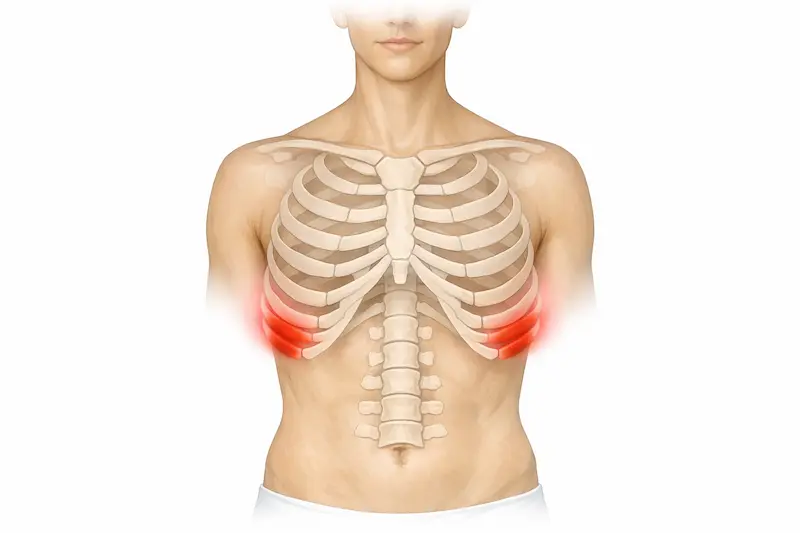
“Human torso illustration showing ribcage with lower ribs on both sides highlighted in red to indicate rib flare or pain

Understanding the root cause is essential because treatment varies depending on whether the chest deformity is functional (muscular imbalance, muscle tension, postural issues) or structural (bone/cartilage-related).

What Causes Rib Flaring?

The underlying cause determines whether non-surgical treatment, bracing, or surgery is appropriate.

A

Postural Dysfunction

One of the most common causes of rib flare is Poor posture—especially excessive lumbar extension (arching of the lower back)—which tilts the rib cage forward, pushing the ribs outward.

Common postural contributors include:

  • Prolonged sitting
  • Sedentary lifestyle
  • Weak abdominal muscles and lower back pain
  • Tight muscles (such as hip flexors) with an anterior pelvic tilt
  • Overactive chest or upper-back muscles
B

Breathing Dysfunction (Diaphragm Weakness)

When the diaphragm is underused, and chest breathing dominates, the lower rib cage lifts excessively during inhalation, elevates and rotates the lower ribs outward, and results in ineffective breathing.

C

Muscle Imbalances

Rib flare is often associated with weak or poorly coordinated:

  • Internal oblique muscles
  • Transverse abdominis
  • Diaphragm
  • Intercostal muscles

These core muscles typically stabilise the rib cage during breathing and movement.

D

Structural Chest Wall Conditions

In some patients, rib flare is part of a congenital or structural chest wall difference, such as:

  • Pectus excavatum
  • Pectus carinatum
  • Congenital rib asymmetry
  • Scoliosis-related rib rotation
  • Cartilage overgrowth
These cases may not respond fully to physiotherapy alone.
E

Growth Spurts, Puberty, or Trauma

In teenagers, rib flare often becomes noticeable during rapid growth. Past rib trauma or fractures may also lead to long-term asymmetry.

What are the Non-Surgical Rib Flare Treatments?

For most people, especially those with posture-related or muscular rib flare, non-surgical rib-flaring treatment is the first and most successful approach.

Diaphragmatic Breathing Training

The diaphragm is the primary muscle responsible for correct rib cage mechanics. Proper diaphragm activation helps “pull down” the rib cage and restore alignment.


Patients learn:

  • Belly breathing
  • 360-degree rib expansion
  • Exhale-focused rib depression
  • Breathing during movement

Oblique and Core Strengthening

Weak internal obliques allow the rib cage to flare outward. Specific exercises help stabilise the ribs and pelvis.


Common exercises include:

  • 90/90 hip lift breathing
  • Dead bug variations
  • Side planks with reach
  • Wall breathing resets
  • Anti-extension core drills

Posture Correction

Physical therapists correct:

  • Excessive lower-back arching
  • Pelvic tilt imbalances
  • Thoracic spine stiffness
  • Shoulder and rib cage alignment

Who Is a Good Candidate for Physiotherapy?

  • Mild–moderate rib flare
  • Posture-related flare
  • Adolescents with flexible cartilage
  • Adults under 40
  • Athletes, dancers, gym-goers
  • Post-pregnancy rib flare

Expected Results Timeline

  • Noticeable change: 6–12 weeks
  • Significant improvement: 3–6 months
  • Long-term correction: beyond 6 months with consistency

Non-surgical therapy is also recommended before surgery to improve outcomes.

Rib Flare Brace

Rib flare bracing is less common than bracing for pectus carinatum, but it can be beneficial for adolescents with flexible cartilage.

Best Candidates for Bracing

  • Ages 11–18
  • Mild structural rib flare
  • Flare is partly related to cartilage shape
  • No severe pectus deformity

Bracing is usually combined with physiotherapy for optimal outcomes.
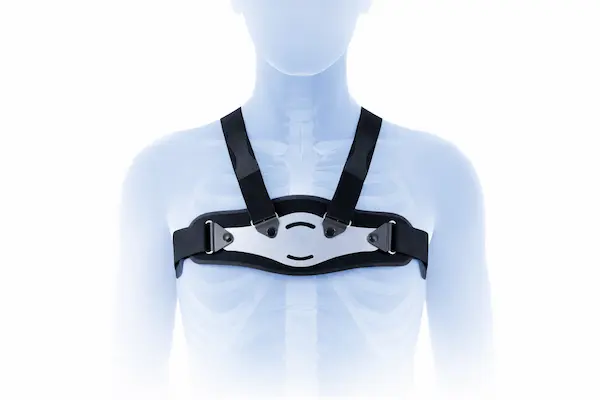
Digital illustration of a person wearing a chest brace applying compression to the front of the ribcage, shown in a way that helps compare bracing concepts with treatments used for pectus excavatum and rib flare
Smiling medical professional in blue surgical scrubs and cap.

When Is Surgery Needed?

Doctors only recommend surgery when rib flaring treatment with physiotherapy and other non-surgical methods has not corrected structural rib flare or when severe cases with significant cosmetic or functional problems persist.

You may be a surgical candidate if:

  • Rib flare is rigid and structural
  • There is a significantly lower ribcage asymmetry
  • Pectus excavatum links the flare
  • Physiotherapy has not helped
  • You experience chronic discomfort, breathing issues, or chest pain
  • You want long-term cosmetic correction

Only a healthcare professional with experience in chest wall deformity should perform specialised rib-flare surgery.

Smiling medical professional in blue surgical scrubs and cap.

How Many Types Of Rib Flare Surgery Exist?

Rib flare surgery is not a single procedure — surgeons choose the most appropriate technique based on the underlying cause, severity, and whether rib flare occurs alongside other chest wall deformities such as pectus excavatum.

A

Costal Cartilage Remodelling

Surgeons reshape or trim the protruding cartilage to improve symmetry.

Best for: Moderate–severe flare, cosmetic correction, and cartilage overgrowth.
B

Rib Osteotomy (Rib Repositioning)

The ribs are surgically adjusted and stabilised in a corrected position.

Best for: Rigid flare in adults, significant asymmetry, or bone-based deformities.
C

Modified Ravitch Procedure

Initially designed for pectus deformities, but can include rib flare correction.

Best for: Combined pectus excavatum + rib flare.
D

Nuss Procedure With Rib Flare Modifications

The Nuss procedure alone does not correct rib flare, but many surgeons add:

  • Cartilage trimming
  • Stabiliser placement
  • Correction sutures
Best for: Patients undergoing Nuss for pectus excavatum who also have rib flare.
E

Cosmetic Rib Contouring

A less invasive option focused on smoothing mild flaring.

Best for: Patients primarily concerned about aesthetics.

How Much Does Surgery Cost in the UK?

Patients frequently search for rib flare surgery UK cost, rib flare surgery price, or rib flare specialist near me, so here are realistic cost ranges.

Typical UK Pricing

Cosmetic rib contouring — £5,000–£12,000

Cartilage remodeling — £8,000–£15,000

Rib osteotomy — £12,000–£25,000

Modified Ravitch — £12,000–£28,000

Nuss + rib flare correction — £15,000–£30,000

What Affects the Price?

  • Surgeon’s experience
  • Hospital or clinic location
  • Pre-operative CT scans
  • Anaesthesia
  • Length of stay
  • Whether pectus deformity is also corrected
Patients seeking private treatment should always request an
itemised quote.

What to expect After Surgery?

Hospital Stay

1–4 Days Post-Surgery

The length of your stay depends on the technique used and the complexity of your case. During this time the surgical team monitors your recovery and manages any discomfort.

Pain Management

Modern Pain Control Approaches

Your care team will use a combination of:

  • Nerve blocks
  • Local anaesthetic pumps
  • Non-opioid medication
  • Gentle breathing exercises
Recovery Timeline

What to Expect and When

  • Return to light activity: 2–3 weeks
  • Avoid lifting heavy weights: 6–10 weeks
  • Full exercise return: 3 months+
  • Final cosmetic contour: 3–12 months
Most patients see immediate visible improvement, with refinement as swelling reduces.

What are the Potential
Risks & Complications
?

All surgery carries some risk. Possible complications include:

  • Scarring
  • Infection
  • Asymmetry or irregular contour
  • Cartilage regrowth (rare)
  • Rib instability (sporadic)
  • Bar displacement (if used during pectus repair)

Choosing an experienced rib flare specialist significantly reduces these risks

Marco Scarci, lung cancer second opinion specialist and his patient

Conclusions

Rib flaring is common and treatable. Many patients achieve significant improvement through specialist physiotherapy, breathing retraining, and posture correction. For those with rigid or structural rib flare, surgery offers a long-term, predictable solution.

With UK rib flare surgery costs ranging from £5,000 to £30,000 depending on the procedure, the best first step is a consultation with a chest wall deformity specialist or rib flare physiotherapist. With the right treatment plan, patients can achieve not only a more balanced rib cage correction but also improved breathing mechanics, posture, and confidence.

Physiotherapy Breathing retraining Posture correction Surgical correction Chest wall specialist
Ready to receive expert Lung and Chest Treatments in London?

Contact me today to schedule your consultation. Your journey to better health starts with a single phone call.

100+ 5-Star Reviews
Over 20 Years of Clinical Experience
5,000+ Minimally Invasive Procedures
Direct Phone Access & Prompt Response
Dedicated Support Throughout Your Journey
Shared Decision-Making at Every Stage

Schedule Your Consultation

Take the first step towards expert thoracic care. Dr. Scarci's minimally invasive surgical techniques offer the best chance for successful outcomes with faster recovery times.

📞
🕒

Emergency

24/7 emergency support available

Book Your Appointment

WhatsApp WhatsApp 020 7459 4367
WhatsApp 020 7459 4367