
If you’ve recently suffered a rib injury, you’re probably feeling sore, anxious, and wondering what comes next. The sharp discomfort of fractured ribs—commonly referred to as broken ribs or bruised ribs—can affect everything from breathing and sleeping to basic movement. With appropriate care and understanding, recovery from rib injuries is achievable. This in-depth guide walks you through the essential aspects of treatment, pain management, and the recovery journey.
The human rib cage contains 24 ribs that protect critical organs such as the heart and lungs. Although ribs are semi-flexible, they are still susceptible to breaks from blunt trauma, falls, car accidents, sports injuries, or even repetitive stress (stress fracture).
Before exploring treatment options, it’s essential to understand the type of chest wall injury you’ve sustained:
Clean, nondisplaced rib fracture. These are the most common and typically heal without invasive intervention.
Occur when bone fragments shift out of alignment. They require closer monitoring and may require surgery.
Develop from repetitive strain, often seen in athletes or individuals with physically demanding jobs.
Breaks across several ribs or in numerous places along one cracked rib.
A critical condition where multiple ribs are broken in several places, impairing standard breathing mechanics and often accompanied by lung injuries like pulmonary contusion or pneumothorax.
Each type of fracture carries its own challenges. Proper diagnosis enables healthcare providers to tailor treatment plans for fractured ribs to achieve optimal outcomes.
When a broken rib or bruised rib is suspected, swift diagnosis is key to ruling out complications.
Physical Exam:
Helps evaluate pain, respiratory efficiency, signs of trauma, and any developing chest infection
Chest X-rays:
Identify fractures and assess for any complications like pneumothorax or fluid collection in the chest cavity
CT Scans:
Offer detailed imaging in complex cases or when other internal injuries are suspected

Blood Work:
May be used to detect internal bleeding or inflammation
Individuals can take specific measures when immediate professional care is not available:
Avoid unnecessary movement or strain.
Apply ice to reduce swelling.
Support the chest wall when coughing or breathing deeply using a cushion or tightly folded towel.
Initial care focuses on stabilizing the patient, managing pain, and preserving respiratory function to prevent complications such as pneumonia.
Pain control is the cornerstone of treatment for fractured ribs. Left unmanaged, pain can restrict deep breathing and effective coughing, increasing the risk of lung infections and delayed healing.
Avoid unnecessary movement or strain.
Apply ice to reduce swelling.
Support the chest wall when coughing or breathing deeply using a cushion or tightly folded towel.
Ice Packs: Reduce inflammation within the first 48 hours post-injury.
Heat Therapy: Applied after initial swelling has decreased to soothe muscles.
Breathing Exercises: Techniques like incentive spirometry support lung function.
Sleep Positioning: Sleeping upright or semi-reclined minimizes pressure on the injured area.
Pain management must be individualized. Over-medicating, especially with opioids, carries risk, while under-treatment can hinder recovery.
Most chest injuries heal effectively through conservative management. This approach emphasizes the body’s innate healing capacity and focuses on supportive care.
Maintaining healthy lung function is essential:
If conservative care isn’t enough, there are additional options available.
Some rib fractures, particularly complex or poorly healing fractures, may require advanced interventions.
Surgeons may need to perform surgery in specific situations, though these are not common:
Healing fractured ribs is a gradual process. Here’s a general timeline:
Symptoms: Sharp pain with movement, difficulty breathing, or sleeping.
Focus: Pain control, respiratory support, and minimal movement.
Activities: Gentle walking, breathing exercises, ice therapy.
Symptoms: Decreasing pain.
Focus: Resume light activities, continue breathing exercises.
Activities: Begin light chores, attend physical therapy if prescribed.
Symptoms: Improved mobility, reduced pain.
Focus: Gradual reintroduction to routine activities.
Activities: Increased mobility; aerobic conditioning, such as slow-paced treadmill walking.
Symptoms: Occasional discomfort with movement.
Focus: Return to full daily functions and light exercise.
Activities: Mild resistance training, stretching.
Symptoms: Minimal or no pain.
Focus: Resume all normal activities, including exercise.
Activities: Full return to physical activity, sports if cleared by physician.
Symptoms: Sharp pain with movement, difficulty breathing, or sleeping.
Focus: Pain control, respiratory support, and minimal movement.
Activities: Gentle walking, breathing exercises, ice therapy.
Symptoms: Decreasing pain.
Focus: Resume light activities, continue breathing exercises.
Activities: Begin light chores, attend physical therapy if prescribed.
Symptoms: Improved mobility, reduced pain.
Focus: Gradual reintroduction to routine activities.
Activities: Increased mobility; aerobic conditioning, such as slow-paced treadmill walking.
Symptoms: Occasional discomfort with movement.
Focus: Return to full daily functions and light exercise.
Activities: Mild resistance training, stretching.
Symptoms: Minimal or no pain.
Focus: Resume all normal activities, including exercise.
Activities: Full return to physical activity, sports if cleared by physician.
Complications can occur in fractured rib recovery if patients or clinicians miss warning signs.
Watch For:
Preventive Actions: Use an incentive spirometer, stay mobile, and don’t suppress coughs entirely.
Risk Factors:
Solution: Follow up regularly with your physician and adjust the care plan if necessary.
In rare cases, the bone may heal improperly or not at all. Symptoms include:
Treatment may involve repeat imaging and potential surgical correction.
If conservative care isn’t enough, there are additional options available.
Create a ground-level sleeping and living area if stairs are difficult to use.
Keep pathways clear to avoid falls.
Use nightlights and install grab bars in bathrooms.
Consider ergonomic adaptations and modified duties at work.
Patients should avoid driving until treatment controls pain and medications don’t impair focus.
Dressing: Choose loose, soft clothing to reduce pressure.
Coughing: Use a pillow to brace your chest.
Mobility: Change positions regularly to prevent stiffness.
Calcium-Rich Foods: Dairy, leafy greens, fortified cereals.
Vitamin D Sources: Sunlight, fatty fish, supplements.
Zinc and Magnesium: Help with cell regeneration and bone structure.
Vitamin C: Supports collagen formation, crucial for tissue repair.
With proper treatment, fractured ribs heal completely in most cases. However, a few individuals may experience chronic pain or longer recovery times due to age, pre-existing conditions, or severe trauma. Preventive measures such as staying active, using safety equipment, and maintaining strong bones through diet and exercise can reduce the risk of future fractures.
Some patients report intermittent discomfort months after the injury. The discomfort may stem from nerve sensitivity, scar tissue, or musculoskeletal imbalance. Treatment options include:
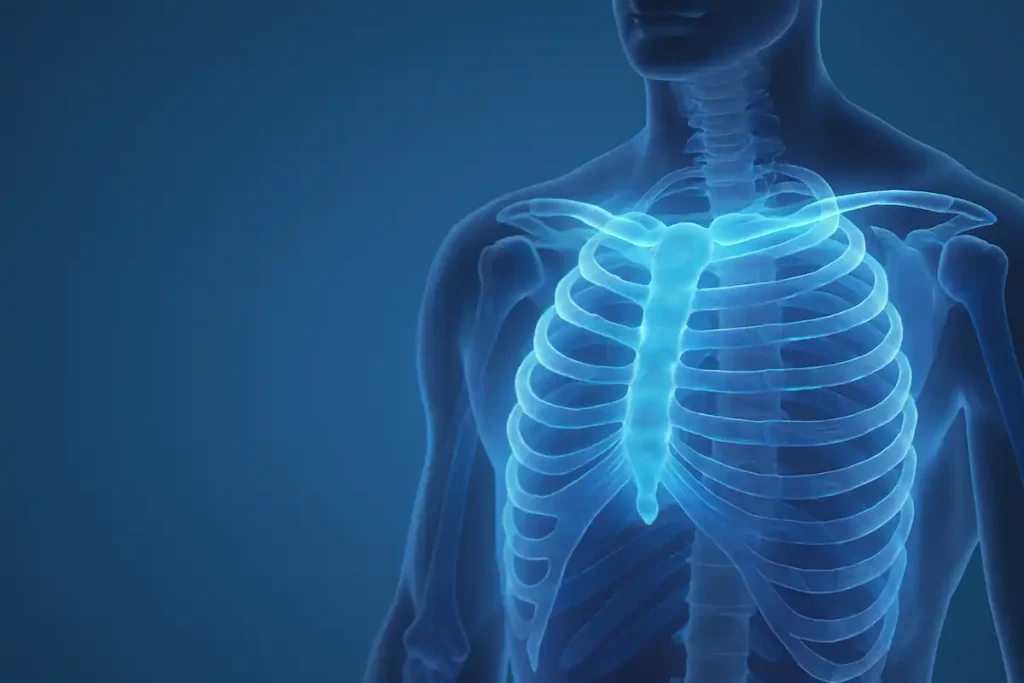
Fractured ribs are painful but treatable. Fractured ribs are painful but treatable. Mr Marco Scarci, a specialist in rib fractures and chest wall injuries, can guide you through your recovery options. With a structured approach to pain management, respiratory care, nutrition, and gradual return to activity, most people recover fully within 6 to 8 weeks. The key to a successful recovery from a fractured rib lies in understanding the body’s needs, following medical guidance, and making the proper lifestyle adjustments along the way.
If you’ve recently suffered a rib fracture, stay positive and proactive. Healing takes time—but with the proper care, your ribs will be as good as new. And remember: Every breath you take, every step you take toward recovery, is a testament to your body’s incredible ability to heal.
Contact me today to schedule your consultation. Your journey to better health starts with a single phone call.
Take the first step towards expert thoracic care. Dr. Scarci's minimally invasive surgical techniques offer the best chance for successful outcomes with faster recovery times.
London, UK
Multiple clinic locations available
24/7 emergency support available
 020 7459 4367