
Chest and rib pain can be unsettling, especially when it is difficult to understand what your body is trying to tell you.
This expert-backed overview provides clear, evidence-based insights to help you understand potential causes, detect warning signals, and determine when medical assessment is necessary.
When chest pain strikes, it can feel overwhelming. A sharp, stabbing sensation or a dull ache in your ribs may leave you wondering what is happening inside your body, and whether it is something to worry about.
Chest and rib pain affects millions of people worldwide, ranging from minor musculoskeletal discomfort to severe medical conditions. While pain in this vital area can be frightening, understanding the possible causes helps you make informed decisions about your health.
Whether you are dealing with sudden, sharp chest pain, chronic rib discomfort, or symptoms in between, this page will guide you through common causes, warning signs, and treatment options to better understand your condition.
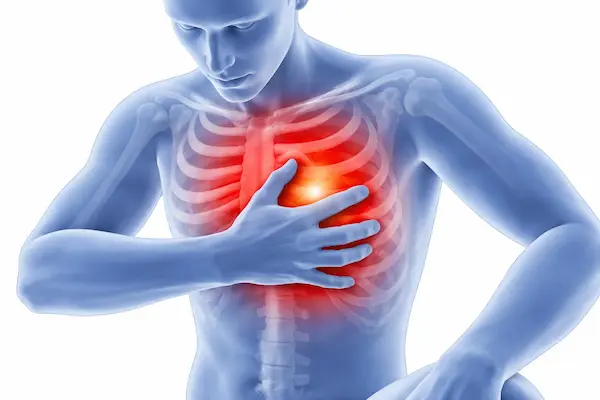
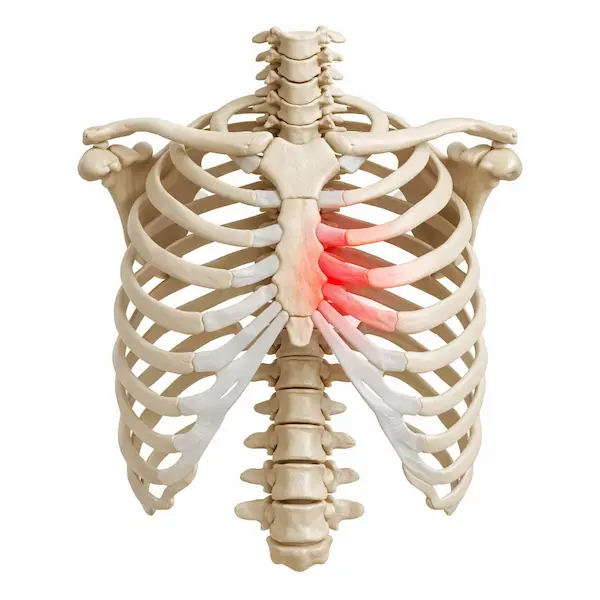
The chest wall itself consists of muscles, bones, cartilage, and nerves- any of which can become sources of pain.
Your ribs are connected to your spine in the back and to your breastbone (sternum) in the front through cartilage. This intricate framework protects your internal organs while allowing for the expansion and contraction necessary for breathing. When pain occurs in this area, it can originate in the chest wall itself, in organs inside it, or in other parts of your body.
Understanding this complexity helps explain why chest and rib pain can have such diverse causes.
Costochondritis is inflammation of the costal cartilage connecting your ribs to your breastbone. This common condition causes sharp, stabbing chest pain that often mimics heart attack symptoms. The pain typically worsens with movement, deep breathing, or pressure on the affected area.
While the exact cause is often unknown, costochondritis can result from repetitive movements, trauma, respiratory infections, or certain autoimmune conditions. It’s generally harmless and often improves with rest and anti-inflammatory medication.
Broken or fractured ribs commonly result from trauma such as car accidents, falls, or sports injuries. However, they can also occur from severe coughing in people with weakened bones. Rib fractures cause sharp, localised pain that worsens with movement, breathing, or pressure.
Most rib fractures heal on their own with time and pain management, though complications can occur if multiple ribs break or if fragments puncture nearby organs.
The intercostal muscles between your ribs can become strained from sudden movements, heavy lifting, or repetitive activities. This strain creates aching or sharp pain that worsens with movement or breathing. Muscle strains are generally minor and heal with rest, though they can be quite uncomfortable.
Slipping Rib Syndrome, though not widely known, can cause significant discomfort and distress. It occurs when the ligaments that hold the ribs in place weaken or tear, allowing the ribs to shift and causing chest and rib pain. This condition often manifests as sharp, intermittent chest or upper abdominal pain that may intensify with movements such as bending, twisting, or lifting. Unlike other causes of chest pain, Slipping Rib Syndrome can lead to sensations of instability in the rib cage, which can be alarming for affected individuals.
Not all chest and rib pain requires emergency care, but specific symptoms should prompt immediate medical attention. Call 911 or go to the emergency room if you experience:
Remember, it’s always better to err on the side of caution when it comes to chest pain. Healthcare providers would rather evaluate you for non-serious chest pain than have you ignore a potentially life-threatening condition.
100 Most Common Patient Questions — Clearly Answered
Chest pain can be frightening — especially when the heart has been ruled out. This free guide answers the 100 most common questions patients ask about non-cardiac chest pain, with clear, reassuring explanations from a leading thoracic specialist.
You’ll learn:
✔ What causes non-cardiac chest pain
✔ When symptoms are serious — and when they’re not
✔ How doctors investigate chest pain
✔ What treatments really help
✔ How to reduce anxiety and regain confidence
Written by Marco Scarci, Consultant Thoracic Surgeon
No spam. Instant access. Free.
Standard diagnostic tests may include:
Provides detailed images of chest structures and can detect pulmonary embolism, pneumonia, or other conditions.
of the chest
of the chest if a slipping rib is suspected
The specific tests ordered will depend on your symptoms, risk factors, and the results of your initial evaluation.
Usually responds to rest, anti-inflammatory medications, and avoiding activities that worsen pain.
Treatment focuses on pain management and preventing complications, such as pneumonia, through breathing exercises and guided physical activity.
Typically heal with rest, ice, heat therapy, and gentle stretching as appropriate.
In the weeks leading up to your surgical resection, you’ll work closely with your thoracic surgeon and the entire care team to ensure you’re as prepared as possible. Preparation includes:
While serious causes of chest pain require professional medical treatment, some mild chest and rib pain you can manage at home:
Rest and avoid activities that worsen pain
Apply ice for acute injuries or heat for muscle tension
Use over-the-counter pain relievers as directed
Practice gentle stretching and breathing exercises
Maintain good posture
If your symptoms persist or worsen, a specialist can help you understand the next steps.

For some people, chest or rib pain becomes a chronic condition that requires ongoing management. This condition can be challenging both physically and emotionally, but there are strategies to help maintain quality of life:
You don’t have to manage chronic pain alone. Support and guidance can make a real difference.
Experiencing chest and rib pain can be frightening and disruptive to your daily life. However, understanding the various causes- from severe cardiac conditions to minor muscle strains- empowers you to make informed decisions about when to seek care and how to manage your symptoms.
Remember that you should never ignore chest pain, especially if it’s new, severe, or accompanied by other concerning symptoms. The cardiovascular and respiratory systems housed within your chest are vital to your survival, and prompt medical attention can be life-saving when severe conditions are present.
At the same time, many causes of chest and rib pain are benign and highly treatable. Appropriate treatment and lifestyle modifications can often manage musculoskeletal problems, anxiety-related pain, and digestive issues effectively.
The key is developing a partnership with your healthcare providers, maintaining open communication about your symptoms, and being proactive about both treatment and prevention. Whether you’re dealing with an acute episode of chest pain or managing a chronic condition, there are resources and strategies available to help you maintain the best possible quality of life.
Your health is one of the most important things you can protect. By staying informed about the causes and treatments of chest and rib pain, knowing when to seek help, and actively participating in your care, you’re taking important steps to protect that asset and ensure your continued well-being.
If you’re currently experiencing chest or rib pain, don’t ignore it- reach out to a healthcare professional who can help determine the cause and develop an appropriate treatment plan. With proper care and management, most people with chest and rib pain can find relief and return to their normal activities.
Remember, you are your own best advocate when it comes to your health. Trust your instincts, seek help when needed, and don’t hesitate to ask questions about your care. Your body is sending you signals through pain- listening to those signals and responding appropriately is one of the most important things you can do for your health and well-being.
Contact me today to schedule your consultation. Your journey to better health starts with a single phone call.
Take the first step towards expert thoracic care. Dr. Scarci's minimally invasive surgical techniques offer the best chance for successful outcomes with faster recovery times.
London, UK
Multiple clinic locations available
24/7 emergency support available
Book your consultation through the
portal for a direct call with the surgeon
 020 7459 4367