

Rib fractures account for nearly 15% of all trauma admissions in major UK hospitals. Traumatic rib fractures are more than just painful; they can lead to serious complications like pneumonia, collapsed lungs, or, in some cases, respiratory failure.
In another study report, patients with six or more broken ribs were over twice as likely to suffer serious complications. It’s a sobering reality, especially for those already in pain and unsure of what comes next.
Thankfully. Advances in treatment mean you no longer have to wait for things to get worse before getting help. Today, Surgical repair is no longer reserved for the most severe cases.
In this guide, we’ll walk you through the different surgical options available, how they help rebuild chest wall stability, and why early care can make a real difference to your recovery.
Key Takeaways
- Rib fractures can lead to life-threatening complications without proper care.
- Surgical stabilization of rib fractures is often necessary for multiple or unstable thoracic injuries.
- Fixation with titanium plates helps restore normal chest movement.
- Early surgical treatment lowers the risk of infections and lung problems.
- Good pain control and movement are key to full recovery.
- Skilled surgeons like Marco Scarci offer safer surgical technique and better outcomes.
Understanding Rib Fractures
What Are Rib Fractures?
A rib fracture happens when one or more bones in your rib cage crack or break, usually as a result of blunt trauma. This might be from a fall, a car accident, or even a hard hit during a sport. For others, particularly elderly patients or those with osteoporosis, something as ordinary as a strong cough can be enough to cause damage.
The severity of a rib fracture can vary. Some are simple, non-displaced cracks that heal with rest. Others are more complex, involving multiple breaks across consecutive ribs, leading to chest wall instability or conditions such as flail chest, where 3 or more ribs are broken in at least 2 places.
These injuries not only cause severe pain but also interfere with your ability to breathe properly. In such situations, surgical fixation may be the safest and most effective way to restore stability and protect your lungs.
Symptoms and Diagnosis

Most people with rib fractures describe symptoms such as:
- Sharp chest pain, especially when breathing deeply, coughing, or moving.
- Localized tenderness at the injury site.
- Bruising or swelling over the chest.
- Difficulty taking a full breath or shortness of breath.
- Audible crack or “pop” at the time of injury (in some cases).
To confirm the diagnosis and check for associated injuries, your doctor may carry out the following:
- A chest X-ray to identify displaced fractures or underlying complications.
- A CT scan for a more detailed image of the rib cage, helpful in detecting pulmonary contusions, small fractures, or injuries to nearby structures.
- A thorough physical examination, which may include checking your breathing pattern, chest movement, and pain response on touch.
Have a question about your diagnosis?
A consultation gives you a personalised plan — not a generic estimate.
When Is Surgery Necessary?
Most rib fractures heal without surgery through conservative treatment such as rest, pain control (PCA syringe, epidural or anterior plane block), and breathing exercises.
However, in more serious cases, surgical intervention becomes not only helpful but necessary to restore chest wall stability, reduce pain, and improve breathing function.
Indications for Chest Wall Stabilization
Surgical treatment is considered when the injury puts your health or recovery at greater risk. You may be recommended for surgical rib fixation if:
- You have a flail chest injury, where three or more consecutive ribs are broken in two places, causing part of your rib cage to move separately from the rest.
- You have multiple displaced or severely fractured ribs that remain unstable or aren’t healing properly with time.
- You’re experiencing persistent pain that hasn’t responded to medication or other pain management strategies, and it’s affecting your ability to function or recover.
- There are signs of respiratory failure or reduced lung function, especially if mechanical ventilation is required.
- You have other chest-related complications, such as a pulmonary contusion, damage to the pleural cavity, or significant chest wall trauma that’s making recovery more difficult.
Patient Selection Criteria
Surgery isn’t the right solution for everyone with rib fractures. Some people recover well with rest, pain management, and careful monitoring. But in others, the injury may be complex, or symptoms may persist despite conservative care. That’s why choosing the right time and the right patient for surgery requires thoughtful consideration.
Several key factors help determine whether surgical stabilisation of rib fractures is the safest and most effective next step:
- The number of rib fractures and whether they are displaced, unstable, or involve adjacent ribs.
- Patient’s age and underlying health conditions. Elderly patients with other medical conditions have an increased risk of deterioration (the most common injury is tripping or slipping).
- Ongoing chronic pain or symptoms that are limiting daily movement and quality of life.
- The presence of other injuries, such as lung contusion, traumatic brain injury, or soft tissue damage.
- A poor response to nonoperative treatment within the first few days, including severe pain that hasn’t improved.
Each patient’s situation is different. That’s why decisions are made by a team of healthcare professionals, including a thoracic surgeon, who will carefully weigh the potential risks and benefits of surgery.
"After multiple failed consultations elsewhere, Mr Scarci identified exactly what was wrong and operated within two weeks. Recovery was smooth and I'm back to normal life."
Types of Rib Fracture Surgeries
1. Open Reduction Internal Fixation (ORIF)
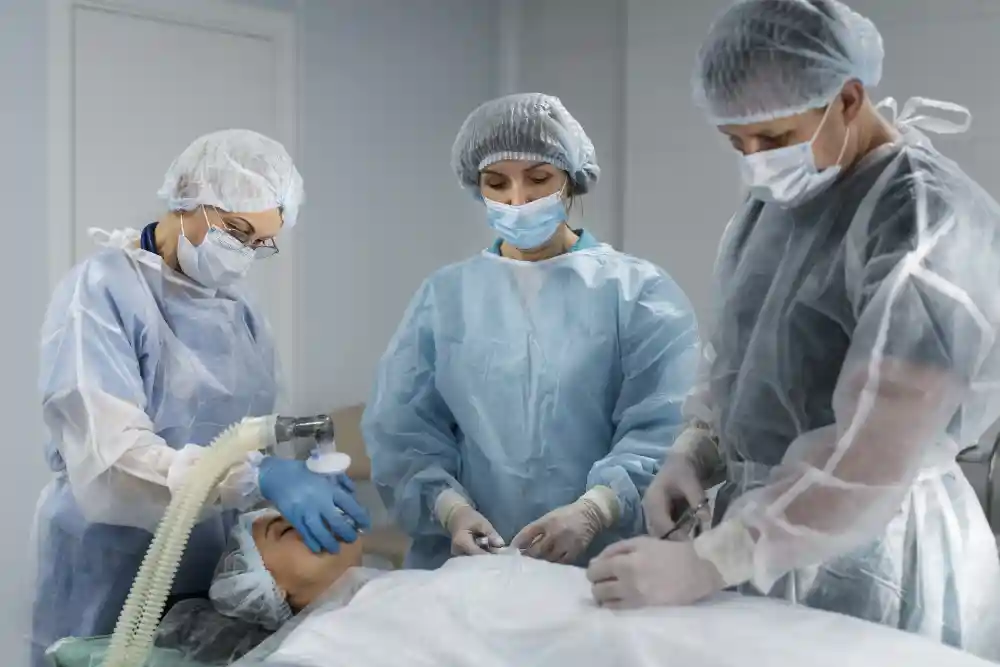
When someone has multiple broken ribs, especially if they’re displaced or part of a flail chest injury, a surgical procedure known as ORIF is often one of the most reliable surgical options.
In this procedure, the surgeon makes a careful incision to expose the fracture site, realigns the adjacent ribs, and secures them using metal plates, most commonly titanium due to its strength and compatibility with the body. Locking screws are then used to stabilise the rib so it can heal in place.
The real value of ORIF is in how quickly it can restore chest wall stability. In theatre and during follow-ups, it’s striking to see the difference: a patient who struggled to take a deep breath the day before may be breathing far more freely within 48 hours.
A clinical trial published in the National Library of Medicine (NLM) found that patients treated with ORIF had lower rates of mechanical ventilation and, in many cases, shorter hospital stays.
Of course, ORIF isn’t suitable for every rib fracture. But when it is the right fit, it can dramatically reduce pain, speed up recovery, and lower the risk of long-term issues like chronic pain or respiratory failure.
2. Rib Resection
Rib resection is a more complex surgical option, reserved for cases involving severe chest wall trauma, deep-seated infection, or when part of the rib has been damaged beyond repair. Instead of stabilising the rib, this procedure involves removing the fractured portion altogether.
In trauma cases, resection may be essential, especially when a broken rib has penetrated the pleural cavity or is pressing dangerously close to a major organ. It’s also performed in rare situations where infection has taken hold and the bone can no longer heal, or when managing complications after previous surgery.
Once the damaged bone is removed, the area is often reconstructed with soft tissue, and in some cases, the latissimus dorsi muscle is used to preserve chest wall stability.
Although less commonly performed than ORIF, rib resection remains a valuable part of our surgical toolkit, especially in highly individualised, complex cases where preserving function is the priority.
3. Chest Tube Insertion
While not a surgical repair of the rib itself, chest tube insertion is often a critical step in managing complications that come with blunt chest trauma, particularly when a fractured rib punctures the lung or causes air or fluid to collect in the pleural cavity.
In these situations, we insert a sterile, flexible tube between the ribs and into the chest to drain air, blood, or fluid. This relieves pressure, allows the lung to re-expand, and helps restore normal respiratory function. It’s especially common in cases involving pneumothorax or haemothorax after rib fractures.
Although the procedure may sound intimidating, it’s a routine part of trauma care and can be lifesaving. According to guidance from trauma centres across the UK, timely chest tube placement reduces the risk of respiratory failure and improves outcomes in rib fracture patients.
For some, it’s the bridge that stabilises their condition until further surgery, such as rib fracture fixation, can be safely performed.
4. Advanced Techniques (e.g., Thoracoscopic Surgery)
In some patients, particularly those with multiple fractures, a minimally invasive approach called thoracoscopic surgery (also known as VATS, or video-assisted thoracoscopic surgery) may be appropriate.
Rather than opening the chest fully, this method uses small incisions and a tiny camera to guide the instruments inside the chest. For the right patient, the benefits are significant: less tissue trauma, lower pain levels, and a shorter recovery time.
I’ve seen firsthand how thoracoscopic techniques can make a difference in recovery, particularly in blunt thoracic trauma cases where we also need to address things like lung contusion, internal bleeding, or early infection. VATS can also help in placing titanium plates for surgical stabilisation of rib fractures, especially when precision is key.
That said, not everyone is a candidate. Factors like injury severity, anatomy, and safety always guide the decision. But when appropriate, thoracoscopic surgery can improve quality of life with fewer complications and a faster return to normal activity.
Not sure about your treatment options?
Mr Scarci provides expert consultations typically within one week of contact.
Preparation for Rib Fracture Surgery
Every patient preparing for surgery will undergo a detailed assessment to ensure the safest and most effective outcome. No two cases are the same, and careful planning allows surgeons to provide specific care to each individual.
Pre-operative Assessments
Before the procedure, you’ll undergo a series of tests and evaluations to ensure your body is ready and that the surgery can proceed smoothly. This includes:
- A full clinical examination to review your general condition.
- Blood tests to check for signs of infection, anaemia, or other concerns.
- A chest X-ray or CT scan to pinpoint the number and location of fractured ribs, and assess for associated issues like chest wall injuries or lung damage.
- An ECG (electrocardiogram), especially if you’re over 60, to monitor heart function.
- Lung function testing, particularly for patients with a history of smoking or COPD, to gauge how well your lungs will cope with anaesthesia and healing.
If you’ve experienced a traumatic brain injury or live with complex conditions like heart disease or diabetes, these will all factor into how we prepare and plan for surgery and assess the mortality rate.
What to Expect Before Surgery
The day before your operation, we’ll talk you through the surgical approach, possible pain management strategies, and what recovery may look like. You’ll be asked to fast for a period prior to surgery and sign a consent form confirming you understand the procedure.
Anaesthesia, usually general, will be discussed in detail by your consultant anaesthetist. Depending on your situation, you may also receive an epidural or paravertebral block to aid with pain relief after surgery.
"I had rib pain for 6 years, was bounced around NHS without diagnosis. I was recommended to Mr Scarci — at consultation within minutes he knew what the problem was. Was offered surgery date the next week. 2 weeks post surgery I am almost back to full health."
The Surgical Process of Rib Fracture Stabilisation
Overview of the Surgery
Rib fracture surgery is performed under general anaesthesia to ensure complete comfort. Once you’re asleep, you’ll be positioned carefully, usually on your side or back, depending on the fracture location. This helps the surgical team access the area safely.
The procedure starts with cleansing the chest and making a targeted incision over the damaged ribs. The goal is to stabilise the rib cage, reduce movement at the fracture site, and relieve pain. The approach used depends on the severity of the injury; some require full fixation, while others may benefit from less invasive support.
Depending on your condition, the operation may involve rib plating, removal of damaged rib sections, or the placement of a chest tube. In some cases, minimally invasive techniques like thoracoscopic surgery may be used. After the surgical steps are completed, any necessary drains are placed, and the wound is carefully closed. Recovery begins immediately, with close monitoring in the recovery room or intensive care unit.
Specifics of Each Surgery Type
1. ORIF
Like I mentioned, this is the most common surgical method for stabilising broken ribs. It’s particularly effective for displaced fractures, flail chest injuries, or breaks that haven’t healed with time.
- The surgeon makes a small incision directly over the broken ribs.
- Soft tissues are gently separated to expose the rib without damaging surrounding muscles or nerves.
- Titanium plates, shaped to fit your individual rib contour, are attached to the bone using locking screws.
- These plates act like internal splints, holding the bone ends together and preventing further movement.
- ORIF restores chest wall stability, improves breathing, and often reduces the length of hospital stay.
This procedure leads to faster recovery, reduced need for mechanical ventilation, and better quality of life outcomes. It’s helpful for elderly patients or those with multiple fractures who are at higher risk of respiratory failure.
2. Rib Resection
- In rib resection, the damaged section of bone is surgically removed.
- The space may be left open or filled using a muscle flap (such as the latissimus dorsi) or synthetic mesh to reinforce the chest wall.
- It’s often used when there has been a failed earlier surgery, chronic infection, or tumours affecting the ribs.
- In trauma settings, it may be required if bone fragments threaten nearby organs.
This technique eliminates the problematic portion and reduces the risk of ongoing infection or significant morbidity.
3. Chest Tube Insertion
Chest tube placement often goes hand-in-hand with other rib surgeries, particularly in patients with a lung contusion, pleural effusion, or pneumothorax.
- A small incision is made between the adjacent ribs, and a plastic tube is inserted into the pleural cavity.
- This allows air, blood, or fluid to be drained, preventing lung collapse and helping the lung to re-expand.
- The tube is connected to a drainage system and may stay in place for a few days post-surgery.
This step is crucial in cases of blunt chest trauma or when managing trauma patients in the ICU. It supports respiratory function and helps stabilise the chest before or after rib repair.
4. Video-Assisted Thoracoscopic Surgery (VATS)
- A tiny camera (thoracoscope) is inserted through one incision, giving the surgical team a live video feed.
- Surgical instruments are introduced through separate small incisions, allowing the surgeon to access and stabilise the ribs with high precision.
- It can be used for rib plating, inspecting for pulmonary contusions, or draining fluid collections.
This method is suitable for selected patients, especially those with fewer, non-complex rib fractures, or individuals who are not ideal candidates for open surgery due to other health conditions.
5. Hybrid Approaches
In some complex injuries, surgeons may combine two or more techniques. For example:
- Thoracoscopic surgery may be used initially to inspect internal damage.
- This is followed by limited open surgical stabilisation of rib fractures using plates and screws.
These approaches are particularly helpful in cases involving consecutive ribs, sternal fractures, or associated traumatic brain injury. Combining methods ensures precise treatment while minimising invasiveness.
Want a specialist opinion on your condition?
Get a clear answer from a surgeon who will be with you throughout.
Recovery After Rib Fracture Surgery
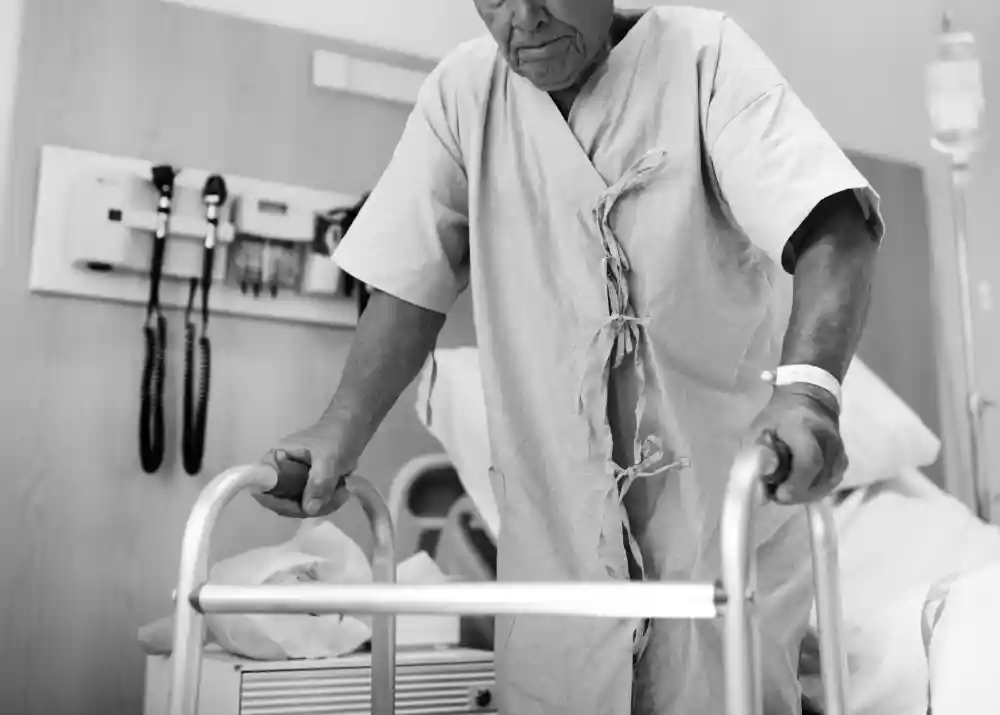
Recovering from rib fracture surgery is a gradual journey, but with the right care and support, most patients regain function and comfort far sooner than they expect. Each step, beginning from the moment you leave the operating theatre, is designed to help your body heal, prevent complications, and return you safely to daily life.
Immediate Post-Operation Care
Following surgery, you’ll be moved to a recovery ward or, in some cases, the intensive care unit for close observation. The first focus is pain relief. This may involve:
- Epidural analgesia
- A paravertebral block
- Or intravenous pain medications, depending on what suits your condition best
For those recovering from severe trauma or undergoing complex repairs, mechanical ventilation may be required for a short period. A chest tube is often in place after surgery to drain air or fluid from the chest cavity, allowing the lung to expand properly.
Once stable, your healthcare team will help you begin early mobilisation, often within the first 24 to 48 hours.
Rehabilitation and Physiotherapy
Breathing exercises, guided by a physiotherapist, are introduced early to support your respiratory function and prevent lung complications. You may also be shown gentle movements to restore chest wall stability without straining the fracture site.
Physiotherapy focuses on:
- Improving lung expansion
- Preventing muscle stiffness
- Safely increasing physical activity
Supportive taping or chest binders are rarely recommended, as they may impair breathing.
Long-term Recovery
Most patients can resume light activity within 3 to 6 weeks, although full recovery may take several months. Your exact timeline will depend on factors like:
- The number of rib fractures.
- The presence of other thoracic injuries.
- Your overall health and response to surgery.
Heavy lifting, contact sports, or intense exercise should be avoided until your thoracic surgeon gives the all-clear. Gradual return to physical activity is key.
Potential Complications
While the outlook is excellent for most people, it’s important to be aware of possible complications:
- Persistent pain, or in some cases, chronic pain that needs long-term management.
- Delayed healing at the surgical site.
- Infection, particularly after open injuries.
- Rarely, paradoxical chest wall movement or issues with lung re-expansion.
Regular follow-up visits help your team monitor progress, adjust pain relief, and address any concerns early, keeping you firmly on track toward recovery.
Factors Affecting Cost
The total cost of rib fracture surgery can vary depending on several key elements:
- The complexity of your injury (e.g., number of ribs fractured, need for surgical fixation or intensive care).
- The surgical approach (open vs. thoracoscopic).
- Length of hospital stay and post-operative care needs.
- Surgeon and anaesthesia fees, as well as use of titanium plates or locking screws.
Private healthcare generally involves more immediate access, personalised treatment, and a dedicated surgical team. In comparison, NHS pathways are available for trauma patients but may involve waiting periods, especially for non-emergency cases.
Financial Assistance and Insurance
If you’re insured, most providers offer full or partial cover for procedures like rib fracture fixation. Always check your policy to confirm exactly what’s included.
For those without insurance, many private hospitals offer financing plans to help manage costs in a way that works for you. It’s important to discuss treatment options, expected fees, and payment plans during your initial consultation with your healthcare provider.
Have a question about your diagnosis?
A consultation gives you a personalised plan — not a generic estimate.
Why Choose Mr. Marco Scarci for Rib Fracture Surgery?
Choosing the right surgeon makes a significant difference in your outcome and experience. As a consultant thoracic surgeon with over a decade of specialist expertise, Mr. Marco Scarci is known for treating complex chest wall injuries, broken ribs, and thoracic trauma with precision and compassion.
Expertise and Experience
Mr. Scarci has performed hundreds of procedures involving surgical rib fixation, thoracoscopic surgery, and open reduction internal fixation. His work is regularly featured in leading journals, clinical trials, and systematic reviews across Europe.
Patient-Centred Care
Each patient receives a personalised plan from initial imaging (CT scan or chest X-ray) to recovery support. Emphasis is placed on pain control, function, and restoring your quality of life.
State-of-the-Art Facilities
Mr. Scarci operates in leading trauma centres and private hospitals across London, equipped with advanced surgical technology and on-site intensive care units.
Find Us in Every Part of London
With locations across the capital, access to expert care is never far. Consultations are available privately or through select NHS pathways.
Recognised Outcomes and Global Standing
Patients choose Mr. Scarci for his low complication rates, transparent communication, and global reputation in rib fracture management.
Frequently Asked Questions (FAQs)
Will I need a hospital stay after rib fracture surgery?
Yes. Most patients will need to remain in the hospital for around 2 to 5 days. This allows the team to manage your pain effectively, monitor your breathing, and ensure the chest wall is healing well. If your injury is more severe, such as in flail chest injuries, you may spend additional time in the intensive care unit (ICU) for close observation and support.
How long is the recovery time?
Everyone heals at their own pace, but most people can return to light activities within 3 to 6 weeks. A full recovery takes 8 to 12 weeks, depending on the number of fractures, your general health, and how your body responds to surgery.
Will I be able to breathe normally again?
Yes. Surgical fixation helps restore chest wall movement and improve respiratory function. Breathing exercises during recovery are essential to regain lung strength.
Is surgery always necessary?
No. Many rib fracture patients recover with conservative treatment. Surgery is only reserved for severe rib fractures, non-healing fractures, or cases with chest wall instability.
Can elderly patients recover fully?
Yes, with proper pain management, physiotherapy, and follow-up care, elderly patients can achieve excellent patient outcomes, though healing may take slightly longer.
Not sure about your treatment options?
Mr Scarci provides expert consultations typically within one week of contact.
Take the Next Step Toward Expert Rib Fracture Care
If you’re facing fractured ribs, chronic chest pain, or complications from blunt chest trauma, expert care can change everything.
Mr. Marco Scarci, a leading thoracic surgeon in London, delivers proven results in rib fracture surgery. His approach blends advanced surgical skill with genuine compassion for every patient.
Call 0207 459 4367 or visit our Contact Page to schedule a consultation.
Your health deserves expert care. Don’t wait – reach out today and start your journey to recovery with confidence.
