
Receiving a lung cancer diagnosis can feel overwhelming, and when surgery is recommended, it’s natural to want certainty that you’re making the right choice. The good news is that most patients with a new diagnosis in the UK have time—often several weeks—to seek a surgical second opinion without compromising their treatment outcomes.
It is routine in cancer care to obtain a second opinion before treatment. Seeking a second opinion can help confirm your diagnosis, ensure your treatment plan is appropriate, and provide reassurance that you are receiving the best possible care. Most doctors will not be offended by a request for a second opinion and may assist in the process.
This guide explains why getting a second opinion before lung cancer surgery is sensible, how to arrange one, and what to expect from the process. Consulting a cancer doctor for a second opinion can expose you to different treatment choices and approaches, helping you understand all available options. Whether you’re considering NHS or private care, understanding your treatment choices puts you in control of your cancer journey. When doctors agree on a diagnosis and treatment plan, it can provide valuable reassurance and peace of mind that you are pursuing the best course of action.
Should you get a second opinion before lung cancer surgery?
For most people, the answer is yes. A second opinion before lung cancer surgery is not only sensible but often recommended by consultants themselves, particularly for major operations like lobectomy (removing one lobe of the lung), segmentectomy (a smaller anatomical resection), or pneumonectomy (removing an entire lung).
Lung cancer surgery is typically planned after comprehensive staging with CT scans, PET-CT imaging, and bronchoscopy or EBUS (endobronchial ultrasound). These investigations generate complex information that benefits from review by a specialist thoracic surgeon who performs high volumes of these procedures and can explain what to expect from lung cancer surgery in detail. Getting a second opinion ensures your diagnosis and treatment plan have been thoroughly validated by more than one expert.
NHS and private consultants, including thoracic surgeon Mr Marco Scarci in London, routinely support and encourage second opinions. This is standard practice in multidisciplinary team-driven care—not a sign of disloyalty or distrust. In fact, many thoracic oncologists and medical oncologists actively suggest patients seek additional perspectives for such life-changing decisions.
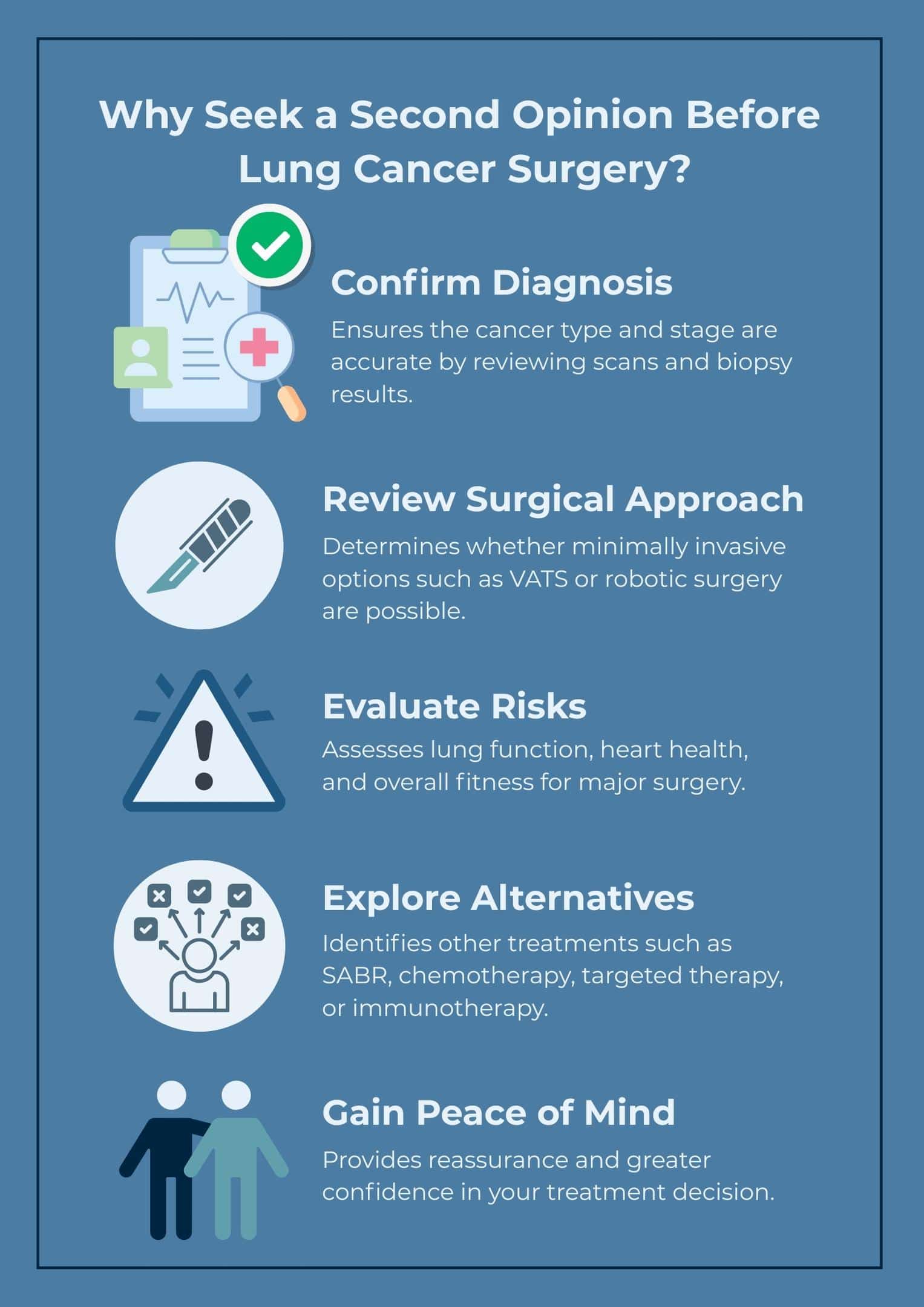
The key benefits of seeking a second opinion include confirming your initial diagnosis and staging accuracy, checking whether keyhole surgery (VATS or robotic) is possible for your case, reviewing your specific risks in the context of lung function tests, and considering alternative treatment options such as stereotactic ablative radiotherapy (SABR) if surgery isn’t optimal.

A second opinion can be sought whether your planned operation is at an NHS hospital or a private London clinic. Consultations can happen face-to-face or via virtual appointment for UK and international patients. For very early-stage lung cancer (stage I–II), data shows that a few days’ or even two weeks’ wait for a second opinion rarely changes outcomes—but it can transform your confidence and potentially your choice of surgical approach.
Introduction to Lung Cancer Treatment
Lung cancer treatment is a highly individualized process that takes into account not only the type and stage of cancer, but also your overall health and personal preferences. Developing a comprehensive treatment plan often involves a combination of therapies, such as surgery, radiation therapy, chemotherapy, targeted therapy, and immunotherapy. Because every lung cancer diagnosis is unique, it’s essential to have your case reviewed by a multidisciplinary team of healthcare professionals—including medical oncologists, radiation oncologists, and thoracic surgeons—who can offer a range of perspectives and expertise.
Seeking a second opinion can be a valuable step in confirming your diagnosis and treatment plan, as well as exploring alternative treatment options that may be available to you. This process helps ensure that you fully understand your diagnosis and treatment options, and that you are making informed decisions about your cancer treatment. By working closely with your care team, you can feel confident that your treatment plan is tailored to your specific needs and reflects the latest advances in lung cancer care.
What is a second opinion in lung cancer surgery?
A second opinion means seeing another GP or specialist doctor to get their view on your diagnosis or treatment.
A second opinion in lung cancer surgery means consulting a second doctor—another consultant thoracic surgeon—who independently reviews your scans, test results, and proposed operation before you decide. This isn’t about “starting again” with your care—it’s about an experienced specialist validating your diagnosis, confirming your TNM staging (which describes tumour size, lymph node involvement, and any spread), and assessing whether the recommended surgery is truly the safest and most effective option for you.
For lung cancer patients, a comprehensive second opinion typically involves review of your CT and PET-CT imaging, pathology reports from your biopsy (confirming the cancer type, such as adenocarcinoma or squamous cell carcinoma), lung function tests including FEV1 and DLCO measurements, cardiac assessments, and any letters from your healthcare team summarising previous discussions. Your current doctor or specialist should send the second doctor information about your previous treatments and relevant test results to ensure continuity of care.
The second surgeon may agree entirely with your original doctor’s plan—which many patients find reassuring. Alternatively, they might suggest a less extensive operation (for example, anatomical segmentectomy instead of lobectomy for small peripheral tumours), recommend a different surgical approach (VATS or robotic rather than open thoracotomy), or occasionally advise that surgery isn’t the best course and other treatments should be explored.
With Mr Marco Scarci, second opinion consultations are specifically tailored to thoracic and lung cancer surgery rather than general oncology. The focus remains on operative options and minimally invasive techniques, including robotic-assisted lung cancer surgery when appropriate. A typical second opinion appointment lasts 45–60 minutes and concludes with a clear written summary you can share with your original care team.
Why consider a second opinion before lung cancer surgery?
Lung resections are major operations with lifelong implications for breathing, physical activity, and overall quality of life. A lobectomy reduces your FEV1 (a key measure of lung function) by approximately 15–20% permanently. Given these stakes, careful double-checking through a different doctor makes complete sense.
There are several compelling reasons many patients choose to seek a second opinion: confirming that surgery is truly necessary rather than an alternative like SABR; understanding whether a smaller resection (segmentectomy rather than lobectomy) might achieve the same oncological outcome while preserving more lung tissue; checking your suitability for keyhole techniques that reduce hospital stay, pain, and recovery time; reviewing perioperative risks if you have complex conditions like COPD or heart disease; ensuring your treatment aligns with newer systemic options such as perioperative immunotherapy or targeted therapy; and verifying that your treatment recommendations follow current international guidelines including appropriate biomarker and genomic testing.
Treatment options for non-small cell lung cancer have evolved rapidly since around 2020. Advances in neoadjuvant immunotherapy (drugs given before surgery to shrink tumours) and targeted therapies for specific mutations mean the landscape has shifted. A second opinion can ensure these current standards are being applied to your case, including proper multidisciplinary team discussion.
If your first doctor has told you that surgery is not possible, a second opinion from a high-volume thoracic surgeon at a specialist centre can sometimes identify options—particularly for borderline cases or oligometastatic disease where limited spread might still be treated surgically alongside systemic therapy, including through private thoracic surgery in London when rapid access or additional choices are important to you.
Many patients seek a second opinion consultation simply to hear complex medical information explained in a different way. Cancer research consistently shows that understanding your condition and feeling confident in your treatment plan reduces anxiety and improves the patient experience before and after surgery. For patients in their 60s or 70s, or those with other health conditions, an expert thoracic review can balance benefit and risk with greater precision.
When is the right time to seek a second opinion?
You can seek a second opinion at any stage, but the most helpful time is usually before committing to a specific operation date or type of resection. Once you’ve signed consent forms and a surgery slot is booked, making changes becomes more complicated—though still possible.
Specific situations where seeking a second opinion is particularly valuable include immediately after a new diagnosis of early-stage lung cancer when surgery is first suggested, when told surgery is not possible and only chemotherapy or radiation therapy is offered, when offered an open thoracotomy without any discussion of minimally invasive options, when two hospitals have proposed different operations, when you feel rushed to make informed decisions without adequate time, and when symptoms or scans have changed since the original plan was made.
In the UK, cancer pathways typically aim for surgery within approximately 4–6 weeks of diagnosis (the 62-day target from referral to first treatment). A second opinion is usually achievable within this window, especially in private practice where second opinion appointments can often be arranged within days.
If you have rapidly progressive advanced disease or are acutely unwell, major treatment changes may not be practical—but surgical and palliative options can still be reviewed. Some patients also seek a second opinion after surgery has been recommended but before agreeing to more extensive procedures such as pneumonectomy or chest wall resection. Seeking guidance before such complex operations is never inappropriate.
Will a second opinion delay my lung cancer surgery?
The fear of delay is understandable, but for most early-stage lung cancers, taking a short time—typically a few days to two weeks—for a second opinion does not significantly change prognosis. Lung cancers generally develop over months to years, with average doubling times of 100–400 days. Clinical trials have shown no survival impact from brief waits of around 14 days.
In practice, a well-organised second opinion can run in parallel with your existing pre-operative assessments. While you’re completing fitness tests, cardiac evaluations, and other preparations, a cancer specialist at another centre can be reviewing your case. Private clinics in London can often see patients within days, minimising any potential hold-up.
Consultants like Mr Marco Scarci regularly coordinate with NHS teams. Scanning or pre-assessment already completed is not “wasted”—images and reports can be shared securely, avoiding duplication of investigations. This hybrid approach between NHS and private sectors is common and works smoothly.
If a case is genuinely urgent—for example, a central tumour causing lung collapse or severe breathing difficulty—this should be clearly communicated to you. Even then, rapid second opinions can be arranged, often by reviewing imaging before an in-person visit. You can always ask both your current doctor and the second opinion specialist directly: “Will this change my surgery date?” This gives you a realistic timeframe.
Unnecessary long waits of months should certainly be avoided, but a focused surgical second opinion measured in days rarely affects outcome and can prevent inappropriate or more invasive surgery.
What can change after a second opinion before surgery?
Many second opinions confirm the original plan—and patients often report feeling significantly more confident having heard the reasoning from a different perspective and had additional time for questions. However, some second opinions lead to meaningful changes that improve safety, recovery, or long-term outcomes.
Research suggests that up to 30% of surgical second opinions yield alterations. These can include changing the type of resection (anatomical segmentectomy instead of lobectomy for small tumours, based on trial data showing equivalent survival), switching from open thoracotomy to keyhole VATS or robotic surgery (reducing hospital stay from 7–10 days to 3–5 days and significantly reducing pain), deciding that surgery is not appropriate and recommending chemoradiotherapy or SABR instead, identifying the need for additional tests such as repeat PET-CT, EBUS staging, or cardiology assessment, suggesting prehabilitation programmes to improve fitness before surgery, or arranging transfer to a specialist thoracic centre with higher surgical volumes and lower complication rates for complex procedures such as pneumothorax surgery.
Consider this example: a 68-year-old patient with COPD and a right upper lobe tumour was initially offered open lobectomy at their local hospital. After a second opinion with a thoracic surgeon experienced in advanced techniques, they underwent robotic-assisted segmentectomy instead. Their hospital stay was 3 days rather than 8, their pain scores were substantially lower, and more functional lung tissue was preserved.
Sometimes a second opinion also uncovers findings on scans—such as small nodules or borderline lymph nodes—that slightly adjust staging and therefore the best treatment sequence, potentially incorporating neoadjuvant therapy before surgery.
Even when the current treatment plan remains unchanged, the value of hearing expert confirmation and having time for additional questions cannot be overstated for valuable peace of mind.
Clinical Trials and Research
Clinical trials are at the forefront of progress in lung cancer treatment, offering patients access to innovative therapies that are not yet widely available. These research studies test new drugs, targeted therapies, immunotherapies, and advanced treatment approaches to determine their safety and effectiveness. Participating in a clinical trial can provide lung cancer patients with additional treatment options, especially if standard therapies have not been effective or if you are interested in the latest advancements in cancer research.
Discussing clinical trials with your healthcare team is an important part of making informed decisions about your treatment. Your doctors can help you understand which trials you may be eligible for and what participation would involve. Many patients find that being part of a clinical trial not only gives them access to cutting-edge lung cancer treatments, but also allows them to contribute to the advancement of cancer research for future patients. You can search for clinical trials online or reach out to organizations specializing in lung cancer research to learn more about available studies and how to enroll.
Advanced Treatments and Technologies
The landscape of lung cancer treatment is rapidly evolving, with advanced treatments and technologies offering new hope for many patients. Innovative therapies such as stereotactic body radiation therapy (SBRT) and proton beam therapy provide highly targeted radiation, minimizing damage to healthy tissue and reducing side effects. These advanced treatments can improve outcomes and may be suitable for patients who are not candidates for traditional surgery or who have specific types of lung cancer.
If you are considering advanced treatments, it’s important to have a detailed discussion with your healthcare team to determine your eligibility and understand the potential benefits and risks. Staying informed about the latest developments in lung cancer treatment empowers you to make the best choices for your care. By exploring all available options—including advanced therapies—you can ensure that your treatment plan reflects the most effective and up-to-date approaches in cancer treatment.
How to prepare for a second opinion on lung cancer surgery
Good preparation makes your second opinion appointment more efficient and allows the surgeon to give you the most accurate diagnosis and recommendations possible.
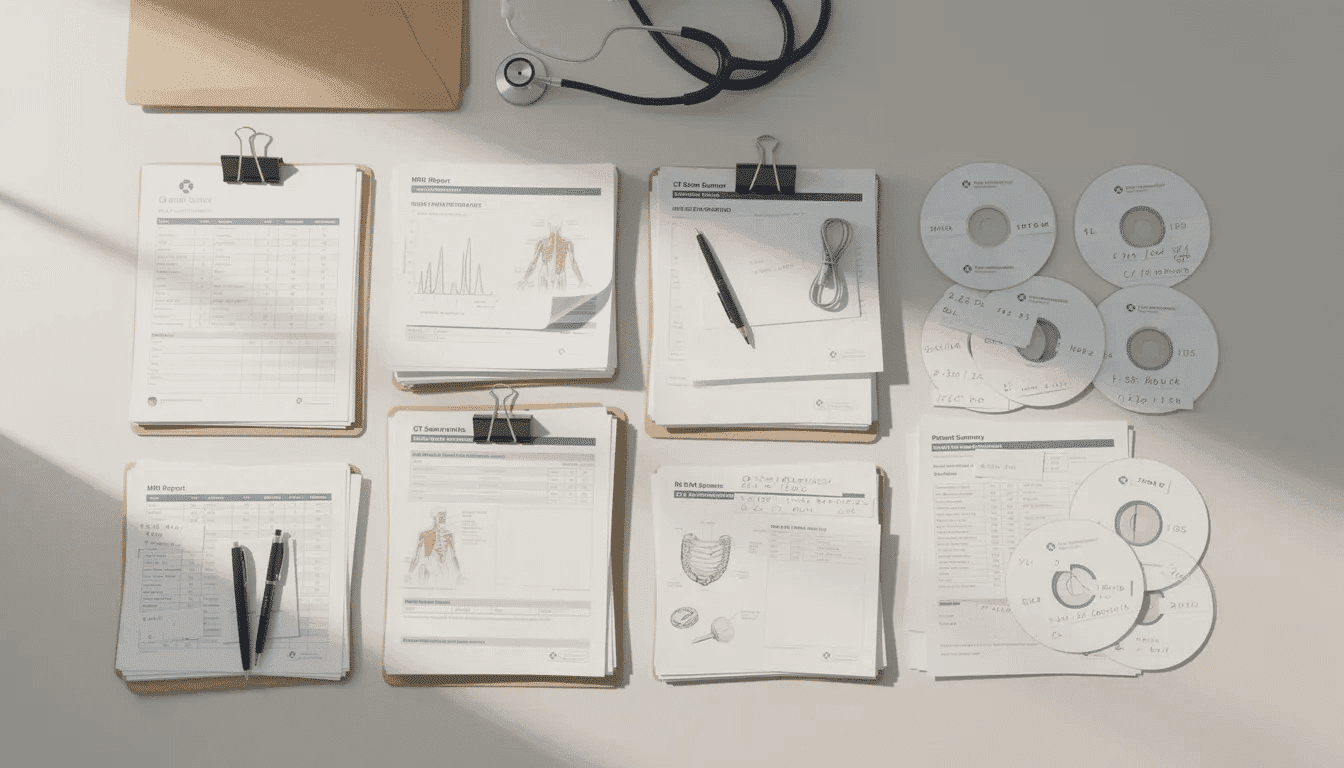
Before your appointment, gather specific documents: recent CT and PET-CT reports and images (ideally on a disc or via secure digital link in DICOM format), biopsy and pathology reports confirming cancer type and any molecular markers, lung function test results (FEV1, FVC, DLCO), echocardiogram or cardiology reports if available, clinic letters summarising previous discussions and MDT outcomes, and a current medication list including any allergies.
Write down key questions you want answered. Useful examples include: “Is surgery definitely the best course for my situation?”, “Could my operation be done using VATS or robotic techniques?”, “What are the specific risks given my lung function and other conditions?”, “What happens if I choose not to have surgery now?”, and “Are there relevant clinical trials I should consider?”
Bring a partner, family member, or friend to help listen, take notes, and ask additional questions—whether you’re attending in person or via video consultation. It’s easy to feel overwhelmed with medical information, and having support ensures nothing important is missed.
Be open about your priorities. If avoiding a prolonged hospital stay matters to you, or returning to work quickly, minimising pain, or preserving as much lung function as possible—say so. This allows the surgeon to tailor recommendations to your life, not just your scan results, and to consider the full range of thoracic conditions treated by Mr Scarci that might influence your care.
With Mr Marco Scarci, second opinion consultations in London or online are structured to allow adequate time for explanation of imaging, discussion of minimally invasive options and advanced treatments, and clear next steps. You’ll receive a written summary afterwards that can be shared with your healthcare provider and original team.
Choosing the right specialist for your surgical second opinion
For a second opinion about lung cancer surgery specifically, you should see a consultant thoracic surgeon who regularly performs these operations—not a general surgeon, primary care physician, or non-surgical oncologist. Surgical expertise requires hands-on practice, and your second opinion should come from someone with specialised knowledge in operating on lungs and chest structures.
Key criteria to consider when choosing a specialist include dedicated thoracic surgery training and consultant status (CCT in cardiothoracic surgery with at least five years of specialist experience), a high-volume lung cancer practice (surgeons performing more than 50 lung resections annually have demonstrably lower complication and mortality rates), expertise in minimally invasive techniques including VATS and robotic surgery, involvement in multidisciplinary team meetings where complex cases are discussed, access to modern diagnostics such as PET-CT and EBUS, and experience with complex and revision surgery.
Mr Marco Scarci is a London-based consultant thoracic surgeon focusing on lung and chest conditions, offering both NHS and private care. His practice has a particular interest in minimally invasive lung cancer surgery, including VATS and robotic approaches. He regularly sees patients for second opinion services who want clinical expertise specifically in thoracic surgery rather than broader oncology.
Patients often value being seen in a setting where imaging, anaesthetics, intensive care, and nursing staff have extensive thoracic experience. Established private hospitals in London and specialist NHS thoracic centres offer this infrastructure and a dedicated multidisciplinary thoracic care team, which supports better outcomes for complex cases.
If travelling to a London clinic is difficult, check whether virtual consultations are available or whether you could be seen at an alternative location such as Elstree Outpatients Centre with Mr Scarci. Many healthcare professionals now offer secure video appointments for second opinions, particularly when imaging can be shared digitally in advance.
The Value of a Care Team
Navigating a lung cancer diagnosis can be challenging, but having a dedicated care team makes a significant difference in your treatment journey. Your care team may include your primary care physician, medical oncologist, radiation oncologist, thoracic surgeon, specialist nurse, and other healthcare professionals who work together to provide comprehensive and coordinated care. Each member brings specialized knowledge and plays a vital role in supporting lung cancer patients, from diagnosis through treatment and beyond.
A strong care team not only helps you make informed decisions about your treatment, but also addresses your concerns, coordinates appointments, and ensures you receive the best possible care at every stage. Reading patient testimonials about thoracic surgical care can also be reassuring when you are choosing where to be treated. Specialist nurses and other team members can offer guidance, answer questions, and provide emotional support, helping to alleviate anxiety and improve your overall well-being. Involving family members and friends in your care can further strengthen your support system, making it easier to manage the complexities of your cancer journey and focus on your recovery.
What to expect from a second opinion consultation with Mr Marco Scarci
Understanding the practical pathway helps reduce anxiety about the process. Here’s what typically happens when you arrange a second opinion with Mr Scarci’s practice or book a private thoracic surgery appointment in London.
Initial contact is usually by phone or through the online enquiry form. You’ll be asked to share your relevant medical records, scans, and reports securely—either via digital upload or by sending copies on disc. This allows the case to be reviewed before your appointment, making the consultation itself more productive.
Face-to-face appointments are available in London, or virtual consultations can be arranged if you’re elsewhere in the UK or an international patient. For urgent lung cancer cases, bookings are often available within days.
During the consultation itself—typically lasting 45–60 minutes—Mr Scarci will review your diagnosis and staging, go through your scans visually with you, and explain in plain English what the proposed surgery involves. This includes details about incisions, duration of the operation, expected hospital stay, pain control methods, and recovery milestones you can anticipate.
He will discuss whether keyhole techniques (VATS or robotic) are appropriate for your case, outline the specific risks and benefits considering your lung function and other medical conditions, and compare his recommendations with what your first doctor proposed. If he agrees with the original plan, he’ll explain why. If he suggests changes, he’ll explain those too.
After the appointment, you receive a clear written summary or letter. This document can be shared with your NHS or private team, your specialist nurse, your GP surgery, or anyone else involved in your care. It will include any suggested modifications to your treatment approach or further investigations recommended.
The service prioritises patient experience: adequate time for your questions, options to involve a family member, and ongoing availability for clarification before you make a final decision about your treatment journey.

Common worries about asking for a second opinion
Many patients hesitate because they worry about upsetting their current surgeon, appearing “difficult,” or being seen as doubting the NHS or their local hospital. These concerns are understandable but usually unfounded.
In UK practice, consultants frequently discuss cases with colleagues and understand that serious diagnoses like lung cancer often prompt patients to seek another view. Cancer Research UK explicitly endorses second opinions, and doctors across the healthcare system generally support informed decisions—even when they involve consulting a different doctor.
A polite, simple message is all that’s needed: “I would like to get a second opinion to help me feel confident about the plan.” This is routinely well received. Relevant medical records and scans are regularly shared between hospitals for exactly this purpose.
Seeking a second opinion does not automatically transfer your care. Many patients (around 80% by some surveys) return to their original surgeon after a second opinion confirms the plan. You retain control: you can continue with your original doctor, move your care to the second opinion surgeon, or combine input from both as you prefer.
It’s entirely normal to feel overwhelmed during first discussions about lung cancer surgery. Information comes at a difficult time, often when you’re still processing a rare or complex condition. Hearing explanations again from another specialist can improve your comprehensive understanding and provide reassurance rather than create conflict.
Costs, insurance and NHS considerations
Seeing a second consultant privately in London involves consultation fees, but many UK private medical insurance policies cover second opinions for cancer and major surgery, subject to pre-authorisation from your insurance company.
If you have private cover through Bupa, AXA, or other insurance providers, contact them before booking. Ask specifically about coverage for a thoracic surgical second opinion consultation with a named consultant such as Mr Scarci. Obtain an authorisation number so there are no surprises about costs.
Self-funding patients can request a clear fee estimate before booking. A private second opinion consultation typically costs £400–600 including the MDT discussion component and follow-up letter. Any additional investigations ordered privately (such as repeat scans or blood tests) would be billed separately.
Within the NHS, patients can ask their GP or current hospital team for referral to a different NHS thoracic unit for a second view. This is a patient right, though waiting times and local pathways vary considerably across regions.
Mr Marco Scarci works across both NHS and private sectors and often collaborates with NHS teams. Choosing a private second opinion doesn’t mean “leaving” NHS care if you prefer to continue there for your actual surgery. Many patients use private second opinion services for speed and convenience, then return to the NHS for their operation with greater confidence in their care plan.
Taking the next step
A second opinion before lung cancer surgery is a reasonable, often helpful step to ensure you’re having the right operation, at the right time, performed in the right way. It’s about gaining certainty and peace of mind during one of the most significant decisions you’ll face in your treatment journey.
Most patients have time to do this safely within normal cancer pathways. Consultants expect and support it—particularly for life-changing procedures like lung resection. Whether you want confirmation that the current plan is correct, or you have doubts about whether all treatment options have been explored, a focused surgical second opinion from a dedicated thoracic surgeon can provide clarity.
If you’re uncertain about your current treatment recommendations—or have been told surgery is not an option and want a broader range of perspectives—arranging a second opinion is a sensible next step.
Patients wishing to explore a face-to-face or virtual second opinion with Mr Marco Scarci can contact his London clinic practice directly. The aim is straightforward: clarity, confidence, and a personalised plan tailored to your needs.
Taking an active role in your cancer care—asking questions, understanding options, and seeking expert review—isn’t just acceptable. It’s exactly what high-quality lung cancer treatments in 2024 should involve.

