

Recovering from lung cancer surgery is a journey that unfolds over days, weeks, and months. It is a form of chest surgery (thoracic surgery) that may involve either open surgery (thoracotomy) or minimally invasive techniques such as video-assisted thoracoscopic surgery (VATS).
Common procedures include lobectomy (removal of a lobe), wedge resection (removal of a small section), and pneumonectomy (removal of an entire lung). In some cases, procedures such as segmentectomy or sleeve resection may be used to remove tumours while preserving as much lung tissue as possible. Understanding what lies ahead can help you prepare mentally and physically for each stage of recovery.
The main goal of surgery is to remove cancer from the lungs, and the approach depends on the size and location of the tumour. While recovery varies from person to person, most people follow a similar path that includes hospital recovery, early healing at home, and a gradual return to normal activities.
This guide draws on the clinical experience of Mr Marco Scarci, a consultant thoracic surgeon in London who specialises in minimally invasive surgery using video-assisted thoracoscopic surgery and robotic techniques. The information here applies to most patients undergoing lung surgery, though your personal recovery will depend on the type of operation, your general health before surgery, and whether you need additional treatment such as chemotherapy or targeted therapy for cancer cells that may remain.
How Recovery Differs Between Surgical Approaches
Recovery differs between open surgery and minimally invasive (keyhole) surgery. Open chest surgery typically involves a larger incision on the side of the chest and may require moving the ribs to access the lungs, which can lead to longer recovery times. It also carries a higher risk of nerve pain and longer-term discomfort.
Minimally invasive lung cancer surgery techniques generally allow for a quicker recovery, although the overall stages remain similar. Most people move through hospital recovery, a period of adjustment at home, and a gradual return to normal activities over several months. If you have specific concerns at any stage, it is important to discuss them with your surgeon, specialist nurse, or cancer team.
Stopping smoking before surgery is one of the most important steps you can take to improve healing and reduce the risk of complications.
Immediate Recovery: Waking Up After Your Operation (Day 0)
What happens when you wake up from lung cancer surgery? You will find yourself in the post-anaesthetic care unit, sometimes called the recovery room, where a nurse monitors you one-to-one until you are fully awake.
During this time, your heart rate, blood pressure, and oxygen levels are continuously tracked. Most patients wear an oxygen mask or nasal cannula because the lungs need extra support as the anaesthetic wears off. You may notice several monitoring leads attached to your chest and finger.
Some patients go directly to a high dependency unit or intensive care for the first 12 to 24 hours. This is more common after major surgery, such as pneumonectomy, where the entire lung is removed, or if you have pre-existing heart or lung conditions. Being in a high dependency unit does not mean something has gone wrong; it simply allows closer observation during the most critical hours.
When you first wake, expect to see intravenous drips delivering fluids and antibiotics, possibly an arterial line in your wrist for precise blood measurements, a urinary catheter, and one or two chest drains emerging from your side. In some cases, blood transfusions may be administered via IV drips to replace lost blood and support recovery after surgery. Monitoring leads and oxygen equipment complete the picture.
Feeling drowsy, thirsty, confused about time, and possibly cold is entirely normal after general anaesthetic. These sensations typically resolve within a few hours. The anaesthetist and pain team will already have established your pain control before you wake, often using patient controlled analgesia, and they will review you regularly throughout Day 0 to ensure you remain comfortable.
"After two years of being told my symptoms were anxiety, Mr Scarci identified the problem immediately. The surgery was straightforward and I was discharged after three days. I only wish I had found him sooner."
Tubes, Drains and Monitors: What They Are and When They Come Out
The lines and devices attached to you after surgery are temporary. Each serves a specific purpose, and all are removed progressively as you recover over the first few days.
Common devices include:
- Chest drain: A thin tube inserted between your ribs to allow air and fluid drainage, helping the remaining lung expand properly and preventing dangerous build-up after lobectomy, wedge resection or pneumonectomy
- Intravenous drip: Delivers fluids, antibiotics and medications until you can eat and drink normally
- Arterial line: A small tube in your wrist allowing precise blood pressure monitoring and blood gas analysis
- Urinary catheter: Drains urine so output can be measured accurately while you are less mobile
- Oxygen: Delivered via mask or nasal cannula until your oxygen levels are stable on room air
- Epidural or paravertebral catheter: Some patients have a small tube near the spine or chest wall delivering local anaesthetic for enhanced pain relief
The chest drain is particularly important. It maintains negative pressure inside your chest, allowing lung tissue to re-expand against the chest wall. For most patients after minimally invasive surgery, chest drains come out by day 2 or 3, provided there is no air leak and drainage has reduced to acceptable levels. After open thoracotomy, removal typically occurs between day 3 and 5.
The urinary catheter usually comes out within 24 to 48 hours, once you are walking safely to the toilet. Intravenous drips stop when you are drinking adequately, and blood pressure remains stable. The arterial line is removed within a day or two.
Your team will always warn you before removing any tube and explain what to expect. Most patients describe brief stinging or pressure, but the process is quick. A chest X-ray confirms when the drains can safely come out.
Have a question about your diagnosis?
A consultation gives you a personalised plan — not a generic estimate.
Pain After Lung Cancer Surgery and How It Is Managed
It is common to experience pain and soreness for the first week or so after lung cancer surgery, and patients are typically provided with painkillers to manage this discomfort. Good pain control is not a luxury, it is essential for your recovery. When pain is well managed, you can take deep breaths, cough effectively to clear secretions, and walk sooner. All of these reduce your risk of complications such as chest infection and blood clots.
Thoracic surgery teams use multimodal pain management, combining several approaches for the best results:
- Patient-controlled analgesia (PCA): A pump allows you to deliver small doses of morphine or similar medication by pressing a button, giving you control over your pain relief
- Paravertebral or epidural catheter: Local anaesthetic infused near the spine or ribs provides excellent relief, particularly after thoracotomy
- Regular oral painkillers: Paracetamol and anti-inflammatory medications are given on a schedule, with additional opioids if needed
Pain is typically most intense during the first 48 to 72 hours, often rating 4 to 6 out of 10 on a pain scale. After this peak, discomfort gradually decreases over the following 2 to 4 weeks. By day 2 after keyhole surgery, many patients manage well on tablet painkillers alone. After open surgery, stronger relief may be needed for longer.
It is important to tell your doctor or nurse early if pain is not controlled rather than simply putting up with it. Uncontrolled pain can lead to shallow breathing and immobility, increasing the risk of pneumonia.
During recovery, you may notice sensations that feel unusual: tightness across your ribs from muscle spasm, tingling or numbness around the incision site, or brief “electric shock” feelings from healing nerves. These are normal parts of nerve regeneration and typically settle over weeks to months. Some patients experience residual nerve discomfort for several months, though this affects a minority.
At home, regular simple pain relief such as paracetamol is usually continued for at least one to two weeks, tapering according to your surgical team’s advice. If you have persistent nerve pain, medications like gabapentin may be considered.
"After multiple failed consultations elsewhere, Mr Scarci identified exactly what was wrong and operated within two weeks. Recovery was smooth and I'm back to normal life."
Your Wound and Scars: What Is Normal, What Is Not
The appearance of your surgical wounds depends on the approach used. Minimally invasive procedures such as video-assisted thoracoscopic or robotic-assisted surgery usually leave 2 to 4 small incisions, each around 1 to 4 centimetres. Open surgery involves a longer incision, typically 10 to 20 centimetres, along the side of the chest between the ribs.
Initial dressings are usually left intact for 24 to 48 hours, then changed by nursing staff. Many units now use waterproof dressings that allow you to shower from the second or third day after surgery. Most wounds heal well with dissolvable stitches placed beneath the skin. If clips or external sutures are used, these are typically removed around day 7 to 10, often by a practice nurse or district nurse once you are home.
Signs of infection to watch for include redness spreading more than 2 centimetres beyond the wound edges, warmth, increasing pain at the site, discharge of pus, fever above 38.5°C, and any foul smell. Wound infection affects roughly 5% of patients and requires prompt treatment with antibiotics.
Normal healing often involves mild itching, slight pulling sensations, and numbness around the scar that can persist for weeks or months. These are not usually causes for concern. As wounds heal, the scar may appear slightly raised or pink before gradually fading.
For scar care, keep the area clean and dry. Avoid heavy friction from clothing or carrying bags across the chest. If your scar will be exposed to sunlight, use a high-factor sunblock (SPF 50+) for at least 6 months to prevent hyperpigmentation. Silicone-based scar gels can help reduce raised scarring if you are prone to this.
Contact your surgeon or GP urgently if the wound opens, leaks significant fluid, or if you feel acutely unwell with fever and worsening redness.
Not sure about your treatment options?
Mr Scarci provides expert consultations typically within one week of contact.
In-Hospital Recovery Timeline (Days 1–7)
This day-by-day guide gives a general picture of progress, though actual timings vary between individuals and hospitals. Your healthcare team will adjust expectations based on your specific circumstances.
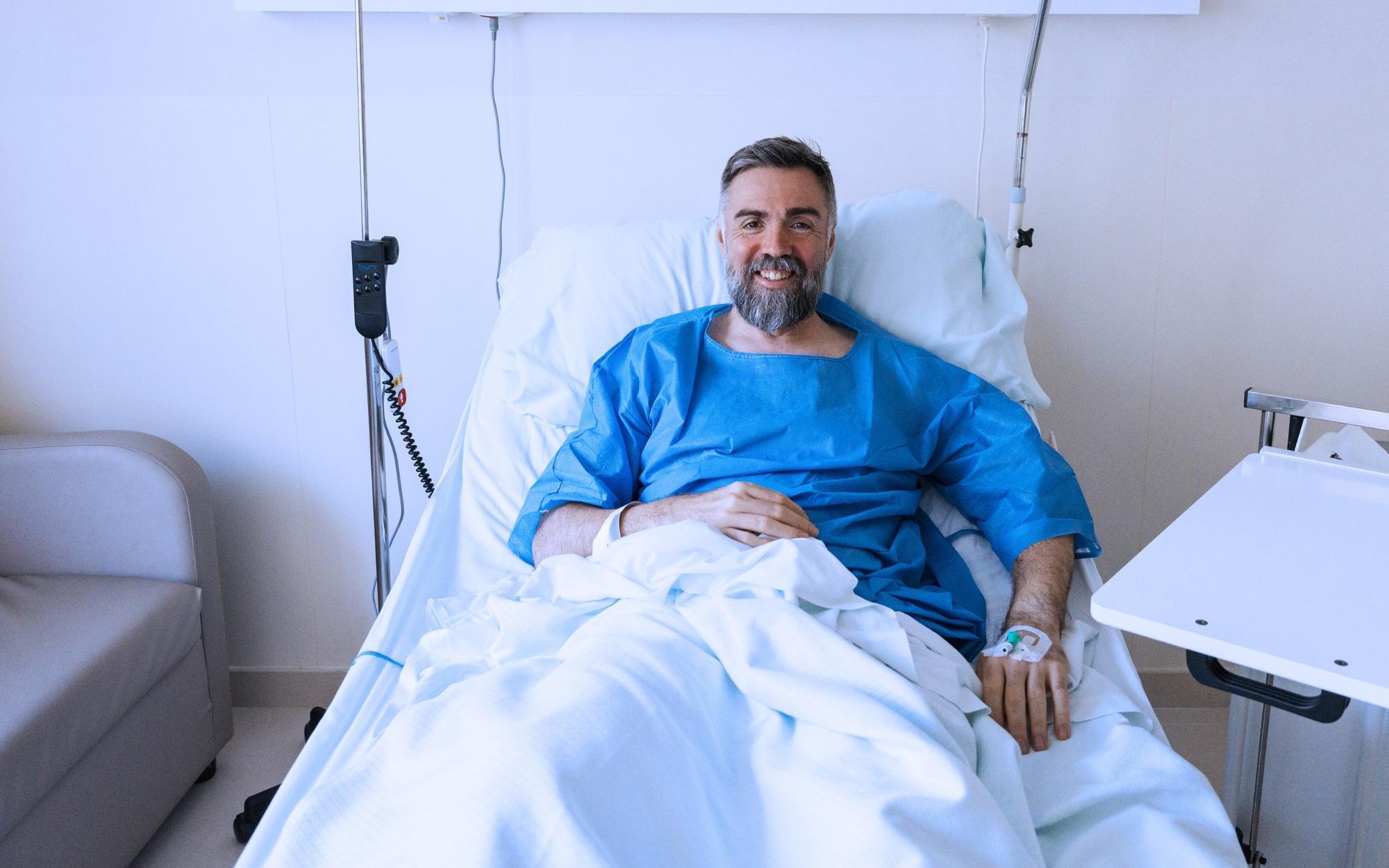
Day 1
Within 12 to 24 hours of surgery, the physiotherapy team will help you sit out of bed, even if only for a short time. You will begin deep breathing exercises using an incentive spirometer and practise supported coughing to clear secretions from your lungs. Sips of water progress to light food if nausea has settled. Early mobilisation is crucial, it reduces the risk of blood clots and helps the remaining lung expand.
Days 2-3
You will spend increasing time sitting in a chair and take your first walks to the bathroom or along the corridor with assistance. Oxygen requirements typically decrease as your lungs recover. A chest X-ray checks the position of drains and lung expansion. The arterial line and some drips may be removed. Pain control transitions towards oral medications.
Days 3-5
Walks become longer, and you gain more independence with washing and dressing. If your chest drain shows no air leak and drainage is low, it will be removed, a significant milestone. Most patients are now on oral painkillers only. Physiotherapy continues with breathing exercises and gentle shoulder movements.
Days 5-7
Discharge planning begins in earnest. The team checks that you can manage stairs if your home requires it, that you can perform basic self-care, and that pain is reasonably controlled on tablets. You will receive written discharge instructions including warning signs, follow-up appointments, and contact numbers.
Typical hospital stay:
Surgery Type | Expected Stay |
| VATS lobectomy or wedge resection | 2–4 days |
| Open lobectomy | 4–7 days |
| Pneumonectomy | 7–10+ days |
In some cases, complications such as prolonged air leak, atrial fibrillation (affecting 10–15% of patients), or chest infection can extend your stay by several days.
Early At-Home Recovery (First 2-4 Weeks)
Going home is a major milestone, but do not expect to feel like yourself straight away. Fatigue and discomfort are normal and expected during this phase. Most patients experience intense tiredness for several weeks to months as the body heals after lung cancer surgery. Recovery after lung cancer surgery typically involves a 1 to 3-day hospital stay for minimally invasive procedures, followed by a 2 to 6-week period to feel almost normal at home, and up to 3 months for full recovery.
Week 1 at home is usually dominated by tiredness. Most patients take one or two naps daily and focus on regular pain relief, simple meals, and short walks indoors. You may feel tired after activities that previously seemed effortless. This is your body directing energy towards healing.
Week 2 often brings noticeable improvement. Many people manage to shower independently, dress themselves, and walk around the house several times a day. Appetite may slowly return, though meals often remain smaller than usual.
Weeks 3-4 see continued progress. Most patients are walking outside at least once daily if weather and stamina allow, building up duration gradually. You may feel ready to tackle light tasks around the house, though heavy lifting remains off-limits. Full recovery from lung cancer surgery generally takes 3 to 6 months, with the most significant healing occurring in the first few weeks.
Common symptoms during these few weeks include reduced appetite, altered taste (often from zinc depletion or medication effects), constipation from opioid painkillers, disturbed sleep, and emotional ups and downs. Practical strategies help: eat small, frequent meals with high protein content, drink plenty of fluids, use prescribed laxatives if needed, maintain a regular sleep schedule, and allow yourself time to process the experience emotionally.
Patients are advised to avoid lifting heavy items (generally nothing over 2kg or 4.5 lbs) for 2 to 6 weeks after lung cancer surgery.
Most UK teams arrange a follow-up appointment around 2 to 6 weeks after surgery. This visit reviews your recovery, discusses pathology results, including lymph nodes analysis, and plans any further treatment, such as chemotherapy or immunotherapy, as part of an expert lung cancer surgery treatment plan if indicated. In Mr Marco Scarci’s practice, follow-up typically occurs around 4 weeks post-operatively, with virtual consultations available for patients who find travel difficult.
Before your appointment, prepare a written list of questions. Patients often want to ask about fitness to fly, when they can return to work, exercise restrictions, and driving. Having questions ready ensures you do not forget important concerns during the consultation.
Want a specialist opinion on your condition?
Get a clear answer from a surgeon who will be with you throughout.
Medium-Term Recovery Timeline (1–3 Months)
This phase marks the transition from early recovery back towards normal daily life. Full recovery often takes longer than expected, so patience remains important, along with following your post-surgery guidance for lung cancer care.
By 6 weeks after VATS lobectomy, many patients can manage light household tasks, short local trips, and desk-based work if their surgical team has given clearance. Pain has usually reduced significantly, though some discomfort with certain movements may persist. Breathlessness improves steadily as the remaining lung tissue adapts through compensatory expansion.
After open thoracotomy or pneumonectomy, reaching similar activity levels often takes 8 to 12 weeks. The larger incision and greater tissue disruption require longer healing, and patients with an entire lobe or entire lung removed need more time for respiratory adaptation.
Driving in the UK typically becomes possible 4 to 6 weeks after surgery, provided you are no longer taking strong opioids that affect concentration, can wear a seatbelt comfortably across the chest, and can perform an emergency stop safely. Always confirm with your surgeon and notify your car insurance company before resuming driving.
Lifting restrictions generally apply for at least 4 to 6 weeks. Avoid lifting more than about 5 kilograms and strenuous upper-body exercise during this time. Gradually increase activity thereafter, guided by your symptoms. If lifting causes pain or significant breathlessness, stop and rest.
Lung function tests typically show a 10–20% reduction in FEV1 after lobectomy, though this stabilises and most patients adapt well, especially non-smokers and those who consistently perform breathing exercises. Robotic-assisted lung cancer surgery can also support quicker recovery of function in suitable patients. Pulmonary rehabilitation programmes, where available, can significantly improve exercise tolerance.
Month | Typical Progress |
| 1 month | Light indoor activity, short walks, reducing pain medications |
| 2 months | Longer walks, light housework, possible return to sedentary work |
| 3 months | Near-normal daily activities, improved exercise tolerance |
Long-Term Recovery (3–12 Months and Beyond)
Nerves, muscles and lung tissue continue to heal for many months after cancer surgery. Some changes following major lung resection can be permanent, but most patients achieve a good quality of life.
By 3 to 6 months, many people are close to their new normal. They can walk several kilometres, work full-time in less physically demanding roles, and travel, provided ongoing oncology treatment allows. Overall health often improves compared to the immediate post-operative period.
Some patients experience long-term pain, particularly after thoracotomy, where neuropathic discomfort affects 10–20% at one year. Scar sensitivity and mild asymmetrical shoulder posture can also persist as the chest wall muscles heal. Specialist pain clinics, physiotherapy, and occasionally radiofrequency ablation can help manage chronic symptoms.
Patients who have had a pneumonectomy often adapt remarkably well but typically notice exertional breathlessness on hills, stairs, or when rushing. This reflects the reduced respiratory reserve with one lung removed and does not usually worsen over time.
When to seek additional help:
- Worsening breathlessness that does not improve with rest
- Uncontrolled pain affecting sleep or daily activities
- Persistent low mood or anxiety lasting more than a few weeks
Continue regular walking or gentle aerobic exercise and consider formal pulmonary rehabilitation, especially if you have COPD or previous smoking history. Ongoing surveillance detects any new lung cancers early, approximately 2–2.5% of patients develop a second primary cancer within 5 years.
Have a question about your diagnosis?
A consultation gives you a personalised plan — not a generic estimate.
Activity, Exercise, and Physiotherapy
Understanding what you can safely do at each stage helps prevent both under-activity and over-exertion. The advice here aligns with recommendations from UK thoracic surgery centres and guidelines from the National Institute for Health and Care Excellence (NICE).

In the hospital, physiotherapists teach specific techniques:
- Deep breathing exercises using an incentive spirometer, aiming for 10 breaths every hour when awake
- Supported coughing and huffing to clear secretions from the lungs
- Shoulder and arm movements, including pendulum exercises and wall walks, to prevent frozen shoulder
- Graded walking plans, starting with standing by the bed and progressing to corridor walks
At home, continue daily activity to maintain progress:
- Walk daily: Start with short walks indoors and gradually extend to walking outside. Use the “walk-and-talk” test. If you can speak in sentences while walking, you are at an appropriate pace.
- Shoulder exercises: Gentle arm raises and shoulder rolls prevent stiffness, particularly after thoracotomy
- Ankle pumps: When sitting for extended periods, regularly flex and extend your ankles to prevent blood clots
- Deep breaths: Take several deep breaths hourly to keep lung tissue expanded and reduce infection risk
Avoid contact sports, heavy gym work, and swimming until cleared by your surgeon, usually from 4 to 6 weeks onward for uncomplicated cases. Some patients receive referral to formal pulmonary rehabilitation classes or printed exercise diaries to follow, similar to programmes offered after pneumothorax surgery and other thoracic procedures.
It is important to listen to your body as activity increases. Severe breathlessness, chest pain, or dizziness are signs that you may be doing too much. If symptoms do not settle with rest, seek medical advice. In general, physical activity should feel like a gentle challenge, not something that causes distress.
Eating, Drinking, and Managing Bowel Habits

Good nutrition and hydration significantly support and speed up healing, immune system function, and energy levels during recovery. Your body needs fuel to repair tissue and fight infection.
In the first 1 to 2 weeks, it is common for appetite to be reduced. Rather than forcing large meals, aim for small, frequent portions rich in protein and calories. Eggs, nuts, dairy, lean meats, and nutritional supplement drinks can help meet requirements when appetite is poor. Pre-prepared meals and ready-to-eat options reduce the burden when cooking feels exhausting.
Maintain at least 1.5 to 2 litres of fluid intake daily unless your medical team has advised restriction. Water and non-fizzy drinks are preferable. Adequate hydration keeps secretions thin and easier to clear from the lungs.
Constipation is common after surgery due to pain medications and reduced mobility. Fibre-rich foods, gentle walking, and prescribed laxatives (such as lactulose or senna) help maintain regular bowel function. Do not hesitate to use laxatives as directed; preventing constipation is easier than treating it.
Report unintentional weight loss exceeding 5% of your pre-operative weight to your team. Dietitian input can be arranged if eating remains difficult or if you are starting oncology treatments that may further affect appetite. Maintaining general health through nutrition supports every other aspect of recovery.
Not sure about your treatment options?
Mr Scarci provides expert consultations typically within one week of contact.
Adjusting To Daily Life After Lung Surgery
Resuming normal activities is a gradual process. Final decisions depend on your individual surgical and oncological circumstances, so always confirm specific advice with your healthcare team.
Driving
You can typically resume driving 4 to 6 weeks after lung resection, provided you meet several conditions: you are no longer taking strong opioids, you can wear a seatbelt without significant discomfort, and you can perform an emergency stop safely. The DVLA does not require notification for most lung resections unless you have ongoing medical conditions affecting driving. Confirm with your car insurer before getting behind the wheel.
Work
Return to work timing varies considerably. Desk-based or home-based roles may be resumed around 4 to 8 weeks after VATS surgery and 6 to 12 weeks after open thoracotomy. Manual or physically demanding jobs often require longer recovery and possibly a phased return with modified duties. Discuss your work requirements with your surgical team so they can provide appropriate fitness-to-work documentation.
Air travel
Short-haul flights may be possible from about 4 to 6 weeks after uncomplicated surgery, following individual assessment and clearance from your surgeon. A chest X-ray confirming full lung expansion is usually required. If you need ongoing oxygen, special arrangements with the airline are necessary, and travel insurance should cover your medical history.
Everyday tasks
Light housework, such as loading a dishwasher or preparing simple meals, is typically manageable from week 2 to 3. Carrying light shopping bags becomes feasible by week 4 to 6. More strenuous activities, such as vacuuming, gardening, or moving furniture, should wait until your surgeon confirms it is safe.
Sexual activity
This can usually be resumed once you feel comfortable, often within 2 to 4 weeks. Avoid positions that place significant strain on your chest or cause marked breathlessness. Listen to your body and proceed gradually.
Emotional Recovery and Support
Recovering from lung cancer surgery is an emotional as well as physical journey. It is entirely normal to experience anxiety, low mood, tearfulness and fear of recurrence during the weeks and months after treatment.
Simple coping strategies can help: keeping a diary of your progress provides perspective on how far you have come; setting small daily goals creates a sense of achievement; involving friends and family provides practical and emotional support; and asking clear questions at follow up appointments reduces uncertainty.
If low mood persists for more than a few weeks or interferes with daily activities, speak with your specialist nurse, GP or hospital psychology services. Early intervention for depression and anxiety improves outcomes. Some patients benefit from support groups run by lung cancer charities or local hospitals, and reading patient testimonials about thoracic surgery care can also provide reassurance, though advice found online should never replace personalised guidance from health professionals.
Fear of cancer recurrence is one of the most common concerns. This anxiety typically lessens over time, particularly as you pass surveillance milestones and receive reassuring scan results. Your cancer team can discuss appropriate monitoring schedules and what to do if you notice any new symptoms.
Want a specialist opinion on your condition?
Get a clear answer from a surgeon who will be with you throughout.
When to Seek Urgent Medical Help
Serious complications after lung cancer surgery are uncommon, but recognising warning signs early is essential. Contact your surgical team immediately or attend A&E if you experience any of the following:
- Sudden severe breathlessness that does not settle with rest and usual medications
- Chest pain not relieved by your normal painkillers
- Coughing up large amounts of bright red blood (more than about 30ml or a few tablespoons)
- High fever above 38.5°C with shaking chills, which may indicate empyema or serious infection
- Rapidly spreading redness, warmth, or leakage from your wound, suggesting wound infection
- Confusion or collapse, requiring immediate emergency services
These symptoms may indicate complications such as pulmonary embolism (blood clots in the lungs), chest infection, empyema, or wound breakdown, all of which require urgent assessment.
For more routine concerns, mildly increased pain, small wound changes, or medication queries, contact your GP surgery or the thoracic ward during working hours. Your discharge paperwork includes daytime contact numbers for the surgical team and specialist nurse.
Keep emergency contact numbers accessible and ensure family members know the warning signs. Most complications are manageable when identified promptly.
How Mr Marco Scarci and His Team Support Your Recovery
For patients considering or already under the care of Mr Marco Scarci in London, a personalised approach underpins every stage of the surgical journey.
Where appropriate, and this applies to approximately 90% of cases, minimally invasive approaches using video-assisted thoracoscopic surgery or robotic arms allow lung cancer to be removed through small incisions rather than open thoracotomy, reflecting modern lung cancer surgery techniques and expectations. This technique results in smaller wounds, less pain, shorter hospital stay (typically 2 to 3 days for lobectomy), and the potential to recover faster with quicker return to normal activities.
The team provides comprehensive support including pre-operative assessment to optimise your fitness for surgery, both virtual and face-to-face consultations, clear written discharge plans, and direct contact routes for early post-operative concerns. You will not be left wondering what to do if problems arise.
Recovery timelines are tailored to individual needs. This includes personalised physiotherapy advice, flexible follow-up using video consultations where suitable, and coordination with oncology, respiratory medicine and primary care teams to ensure seamless ongoing care. An enhanced recovery programme approach means rehabilitation begins before surgery and continues throughout your healing, tying in with a comprehensive lung cancer surgery guide for diagnosis and recovery.
Most people recover steadily after lung cancer surgery. Choosing private thoracic surgery in London can offer faster access and highly personalised care. Expert, consistent follow-up helps identify and manage any setbacks quickly, allowing you to focus on what matters most, returning to the life you want to live. If you have questions about surgery for early stage or advanced lung cancer, including non small cell lung cancer or small cell lung cancer, the team is available to provide guidance and support at every step, with straightforward consultation and appointment arrangements.
