

If you’ve been experiencing sharp pain along your lower chest or upper abdomen that seems to come and go, you may be wondering whether slipping rib syndrome could be the cause. This often-overlooked condition affects thousands of people who struggle to get a proper diagnosis, sometimes for years.

Quick answer: could your chest or upper abdominal pain be slipping rib syndrome?
Slipping rib syndrome is a benign but profoundly uncomfortable condition that is frequently misdiagnosed as heart, lung, or stomach problems.
A proper diagnosis requires assessment by an experienced clinician, ideally a thoracic specialist such as Mr Marco Scarci in London, who can perform specific examination techniques to identify the problem.
It is most likely slipping rib syndrome if:
- Pain is mechanical and movement-provoked
- You experience a popping sensation or clicking at the costal arch
- Point tenderness exists at the lower rib tips
- You’re otherwise healthy, possibly following a minor injury or strain
- Symptoms improve with rest
You should seek urgent help if:
- You have crushing central chest pain
- You experience severe pain with shortness of breath, heavy sweating, or fainting
- You’re coughing up blood
- You have sudden severe flank pain with breathing difficulty
What does a slipping rib feel like?
Patients most commonly describe a sudden, sharp, stabbing pain felt at the lower chest margin or just above the upper abdomen. Many report feeling like something is “catching” or “tearing” under their ribs, sometimes after a seemingly minor twist, cough, or strain.
A dull, lingering ache often follows the sharp pain, lasting for hours or days. This aching pain can persist even at rest and tends to worsen with movement, sitting slouched, laughing, or certain sleeping positions.
Patients often report a clicking or popping sensation when the rib moves out of place, which can occur during physical activities or even simple movements like coughing or deep breathing. Some notice a visible or palpable bump that comes and goes at the costal margin.
Radiating pain may spread from the front of the ribs to the sides or back, following a band-like pattern that can mimic gallbladder, stomach, or muscular back pain. Symptoms typically improve with lying on the back or unaffected side and worsen when getting out of bed, turning over, or reaching overhead.
The slipping rib usually affects one side, often the left or right lower ribs, but can occasionally be bilateral. Intensity ranges from a minor nuisance to severe pain that disrupts daily activities.
"I was diagnosed in March with a rare condition. My local hospital said it was inoperable due to the size of the mass. Mr Scarci reassured me the thymoma was resectable. I was booked for surgery the following week where he successfully removed the entire tumour."
Which ribs does slipping rib syndrome affect?
Slipping rib syndrome almost always involves the false ribs, namely ribs 8, 9, and 10, at the front of the chest. These ribs are often affected by trauma or strain due to their unique attachment to the rib above by cartilage rather than directly to the breastbone.
Understanding rib anatomy helps clarify this:
| Rib Type | Ribs | Attachment |
|---|---|---|
| True ribs | 1-7 | Directly to sternum |
| False ribs | 8-10 | To rib above via cartilage |
| Floating ribs | 11-12 | Unattached anteriorly |
| In slipping rib syndrome, the anterior cartilaginous part connecting ribs 8-10 becomes loose or unstable, allowing the rib tip affected to slide under or over the adjacent rib. This movement irritates the intercostal nerves, causing the characteristic pain pattern. |
Related conditions include rib tip syndrome and clicking rib syndrome, which involve the same rib levels at the costal margin. Because the pain being experienced occurs low on the chest wall and near the upper abdomen, it’s often mislabelled as gallbladder, stomach, or muscular pain unless a rib specialist examines the affected area carefully to identify the condition accurately.
Not sure about your treatment options?
Mr Scarci provides expert consultations typically within one week of contact.
What causes slipping rib syndrome?
Slipping rib syndrome occurs when the cartilage at the interchondral joint is weakened or displaced, which can happen suddenly or gradually. This interchondral subluxation allows excessive movement of the lower rib tips.
Common triggers include:
- Physical trauma from direct injury to the chest, such as falls or accidents, including contact sports
- Repetitive strain from activities involving vigorous twisting, lifting, or swimming
- Heavy coughing bouts from infections like COVID-19 or bronchitis
- Repetitive microtrauma from weight training, yoga backbends, or dance
Hypermobility of the anterior ends of the false rib costal cartilages is a contributing factor, leading to instability and increased susceptibility to trauma. Some people are born with slightly more flexible rib cartilage or variant rib attachments, making a slipping sensation more likely even from normal daily activities.
Previous rib injury or prior thoracic disease and upper body surgery can alter support structures and predispose to this painful rib syndrome, and severe trauma may even require rib fracture surgery to restore chest wall stability. At a microscopic level, degeneration or partial tearing of the costal cartilage and surrounding ligaments leads to rib subluxation.
"I had rib pain for 6 years, was bounced around NHS without diagnosis. I was recommended to Mr Scarci — at consultation within minutes he knew what the problem was. Was offered surgery date the next week. 2 weeks post surgery I am almost back to full health."
Risk factors: who is more likely to develop slipping rib syndrome?
Slipping rib syndrome can affect younger patients through to adults of any sex, but certain groups face a higher risk. Risk factors include activities that involve repetitive movements or trauma to the rib area, such as heavy lifting or certain sports.
Higher-risk groups:
- Athletes in sports medicine contexts: golfers, tennis players, rowers, gymnasts, and rugby players
- Manual workers performing frequent heavy lifting and involving twisting movements
- Musicians holding the trunk in rotated postures
- Those with a history of rib bruises, chest wall problems, or repetitive coughing episodes
Joint laxity is another factor where hypermobility refers to naturally loose ligaments or cartilage, often linked to connective tissue disorders. Occupational activities that may contribute include bending, twisting, or lifting heavy objects.
Chronic coughing can weaken rib attachments over time, potentially leading to pain. Smoking, conditions causing frequent sneezing or vomiting, and even high blood pressure treatments causing chronic cough can indirectly stress the lower ribcage.
Want a specialist opinion on your condition?
Get a clear answer from a surgeon who will be with you throughout.
Clinical presentation: how slipping rib syndrome typically shows up
The typical patient presents with ongoing under-rib pain despite being otherwise healthy, often after a seemingly minor incident or activity, aggravating pain that wouldn’t normally cause concern.
Core symptoms include focal chest wall pain at the costal margin that is point-tender, plus a sense of the rib moving in and out of place. Certain movements consistently provoke symptoms: rolling over in bed, getting up from lying, reaching forward, twisting the upper body, coughing, sneezing, or taking deep breaths.
The affected area may be tender to the touch and could be accompanied by slight swelling, with pain sometimes radiating to the back or side, making it difficult to pinpoint the exact source of discomfort. Common complications related to rib issues include respiratory problems such as difficulty breathing or shortness of breath due to guarded breathing patterns, sometimes necessitating review by an expert in thoracic surgery and minimally invasive lung procedures.
Real-life examples:
- Active 35-year-old golfer: Develops left costal margin pain after a round, notices clicking when twisting. Multiple cardiac and gastric tests return normal before the slipping rib is identified.
- Young dancer: Reports right-sided popping and sharp pain during backbends, initially diagnosed as muscular strain until a thoracic specialist performs the hooking maneuver.
Signs and symptoms of slipping rib syndrome
Primary symptoms:
- Unilateral lower chest or upper abdominal pain: sharp initially, then dull ache
- Pain clearly worsened by movement, twisting, coughing, or deep inspiration
- Abdominal pain that doesn’t fit typical gastrointestinal patterns
Mechanical features:
- Obvious or subtle popping, clicking, or snapping sensation at the rib flare
- A “giving way” feeling when displaced ribs shift position
- Ability to demonstrate excessive movement at the affected rib tip
Radiation patterns:
- Pain spreading around to the side, flank, or upper back
- Band-like distribution following intercostal nerve pathways
Physical signs:
- Very localised tenderness when applying pressure over one rib tip
- Possible small, soft bump that moves when the patient breathes or twists
- Pain improves with stillness and gentle support (holding or taping the area)
Red flags requiring emergency assessment:
- Crushing central chest pain
- Heavy sweating with chest discomfort
- Severe shortness of breath
- These suggest cardiac or pulmonary emergencies, not routine rib evaluation
Physical examination: how clinicians check for slipping rib syndrome
Diagnosing slipping rib syndrome primarily involves a detailed medical history and physical examination, as its symptoms can mimic other conditions. An experienced healthcare provider will systematically assess the chest wall.
During inspection, the clinician observes the chest wall at rest and with movement, then palpates along the costal margin to identify a tender, mobile rib tip.
During the physical examination, a healthcare provider may perform a hooking maneuver, where pressure is applied under the ribcage to elicit pain or a clicking sensation, which can indicate slipping rib syndrome. The examiner hooks fingers under the costal margin and gently pulls upward or outward. In many patients, this reproduces the familiar sharp pain and sometimes a palpable or audible click, strongly supporting the diagnosis.
Additional assessment includes evaluation of spinal, abdominal, and shoulder areas to exclude other sources of pain. Mr Marco Scarci, as a consultant in thoracic surgery, will also carefully assess for any signs of more serious thoracic disease before confirming the diagnosis and recommending treatment.
Diagnostic tests and imaging
There is no single blood test or scan that definitively proves slipping rib syndrome. Tests primarily rule out more serious causes and can be referenced in sources like the British Medical Journal and clinical journal publications on skeletal radiology.
Imaging tests such as X-rays, ultrasound, or MRI may be ordered to rule out other conditions and provide a clearer picture of cartilage or rib movement, although X-rays may not always show rib subluxation. Standard chest X-rays and CT scans often appear normal because cartilage and subtle instability are difficult to visualise.
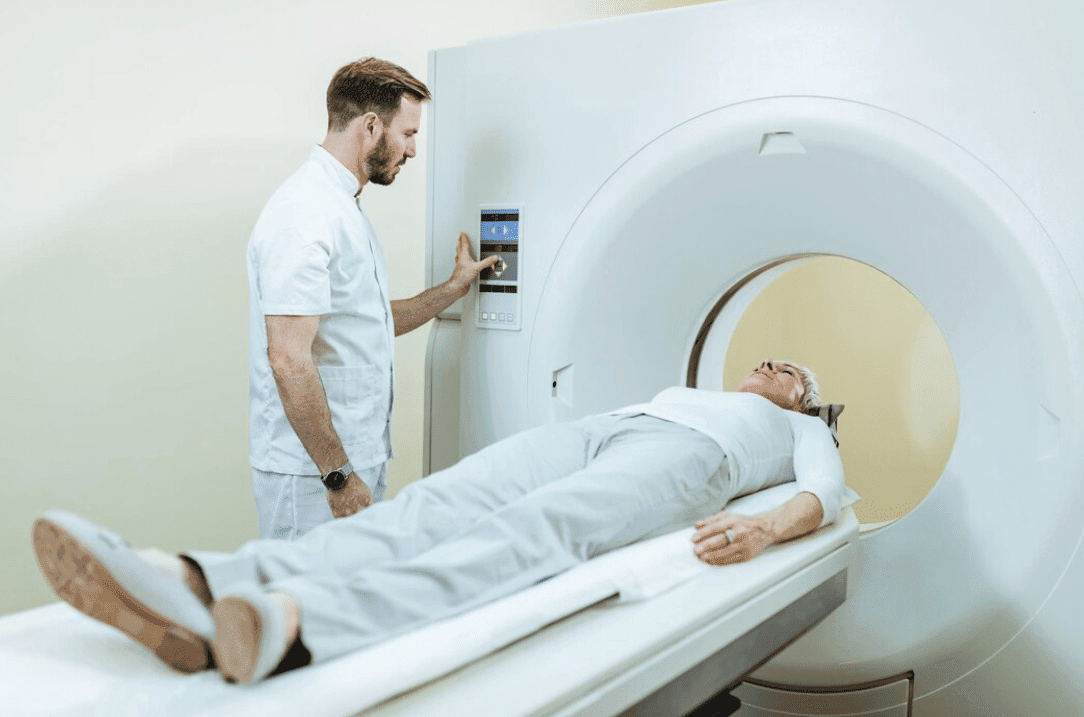
Dynamic ultrasound can be particularly useful. Using real-time imaging while the patient moves or performs a Valsalva manoeuvre may demonstrate the rib tip slipping under the one above. MRI helps assess surrounding soft tissues and cartilage when symptoms are atypical.
An intercostal nerve block at the suspected level that provides significant temporary relief can both aid differential diagnosis and guide further treatment. In specialist practice, imaging is selected carefully to avoid unnecessary radiation or cost.
Have a question about your diagnosis?
A consultation gives you a personalised plan — not a generic estimate.
Differential diagnosis: conditions that can mimic slipping rib syndrome
Because this condition causes chest pain and upper abdominal pain, it must be distinguished from more serious cardiac, pulmonary, and abdominal diseases that also fall within the scope of thoracic conditions treated by Mr Scarci.
Slipping rib syndrome is often confused with costochondritis and Tietze syndrome, as they both involve the cartilage of the thoracic wall and can present similar symptoms. Other chest wall conditions include rib fractures and twelfth rib syndrome, which affects the floating ribs (11-12) and typically presents with lower back, abdominal, and groin pain, differing from the standard presentation.
Other conditions that may mimic slipping rib syndrome include pleurisy, rib fracture, gastric ulcer, cholecystitis, esophagitis, and hepatosplenic abnormalities, as well as specific problems such as pain arising from the floating ribs. Additional considerations documented in sources like Current Sports Medicine Reports, Paediatric Respiratory Reviews, and the American Journal of medical sciences include:
| Category | Conditions |
|---|---|
| Thoracic | Pleurisy, pulmonary embolism, pneumothorax, chest wall tumours |
| Cardiac | Angina, myocardial infarction, aortic dissection |
| Gastrointestinal | Gastric ulcers, gallbladder disease, pancreatitis |
| Crushing central chest pain, exertional symptoms, or collapse constitute emergencies requiring immediate evaluation. An experienced thoracic surgeon or pain physician will systematically exclude these possibilities before confirming Cyriax syndrome. |
How is slipping rib syndrome treated?
Many patients improve with conservative treatment, but persistent or severe cases may benefit from more targeted interventions, including surgical intervention.
Treatment goals:
- Reduce pain and provide pain relief
- Stabilise the affected ribs
- Restore normal movement
- Prevent recurrent episodes
Treatment approaches span from simple pain management and symptom management to surgical options. In Mr Scarci’s practice, treatment is tailored to the individual, starting with the least invasive measures and progressing to thoracic surgery only when symptoms remain intrusive despite appropriate conservative care.
Conservative management
Many patients experience improvement over weeks to months with structured conservative management supervised by their clinician.
Conservative management for slipping rib syndrome includes rest, activity modification, and the use of pain relievers such as NSAIDs to alleviate symptoms. Short courses of anti-inflammatory medications, paracetamol, and occasionally stronger painkillers for acute flares can help, along with ice or heat application.
Activity modification includes:
- Avoiding heavy lifting and twisting sports
- Using log-rolling techniques when getting out of bed
- Temporary reduction in training intensity for athletes
Supportive measures such as elasticated chest supports or kinesiology taping along the costal margin help reduce rib excursion and allow ribs to move more comfortably.
Physical therapy is often recommended as part of conservative treatment, focusing on exercises and stretches to strengthen the muscles around the ribcage and improve stability. Core and trunk stabilisation exercises, breathing pattern retraining, and manual techniques reduce secondary muscle spasm.
Conservative care should be monitored and adjusted if symptoms don’t improve after 6-12 weeks. Research by Janet Vendroux A and Spear C has documented outcomes across various approaches.
Intercostal nerve blocks and other minimally invasive options
When pain persists despite basic measures, nerve blocks serve both diagnostic and therapeutic purposes.
Intercostal nerve blocks can be performed for persistent pain, providing temporary relief by numbing the nerves around the affected ribs. The procedure involves the injection of local anaesthetic, often combined with steroids, around the affected intercostal nerve under ultrasound or fluoroscopic guidance.
The intended benefits include immediate temporary pain relief from the anaesthetic and longer-lasting inflammation reduction from the steroid, potentially breaking the pain and muscle spasm cycle. Repeated blocks can be considered, and the response helps confirm that the pain truly arises from the slipping rib level.
Other minimally invasive options used in some centres include radiofrequency denervation, referenced in publications in Pediatric Anesthesia and pediatric surgery journals, though evidence continues evolving. These procedures are planned carefully alongside ongoing rehabilitation rather than as standalone solutions.
Surgical management
Surgical procedure options are reserved for patients with clearly documented slipping rib syndrome whose pain significantly limits daily life and hasn’t responded to conservative and interventional measures.

Surgical options for slipping rib syndrome may include costal cartilage removal, rib resection, and rib stabilization techniques, typically considered when conservative treatments fail. Costal cartilage excision involves the removal of the unstable segment from the affected rib (often ribs 8-10) through a small incision, preserving chest wall stability.
Surgical options for rib pain may include rib tip excision and stabilization procedures. Partial rib resection or stabilisation using sutures or bio-absorbable materials can maintain alignment and prevent recurrent slipping.
Procedures can often be performed using minimally invasive approaches, with typical hospital stays of 1-3 days. Published case series report high rates of pain relief and return to normal activity, though individual results vary. Pre-operative counselling addresses risks including infection, bleeding, residual pain, and the importance of surgeon experience in this relatively uncommon condition.
Physical therapy and rehabilitation
Rehabilitation supports long-term rib and trunk stability, whether pursued before or after surgery.
Early goals include:
- Pain control through gentle approaches
- Breathing exercises to prevent shallow breathing
- Education on protective movement patterns
Progression involves the gradual introduction of core strengthening, lumbar-pelvic stability exercises, and controlled thoracic mobility to support the rib cage.
Manual therapy techniques include soft tissue release of tight intercostal and abdominal muscles and appropriate joint mobilisation for the thoracic spine, always avoiding aggressive manipulation of the unstable rib itself.
Posture and ergonomics teaching helps patients avoid prolonged slouching or asymmetric sitting that loads the costal arch. Return to sport or heavy activity follows a staged progression agreed between therapist, surgeon, and patient over several weeks.
When should you seek medical advice?
Any new, unexplained chest or upper abdominal pain deserves proper medical assessment from a qualified healthcare provider.
Book a routine appointment if:
- You have persistent or recurrent under-rib pain with clicking or popping
- Standard tests have returned normal despite ongoing symptoms
- Pain follows mechanical patterns described in this article
Seek emergency review for:
- Central crushing chest pain
- Pain with breathlessness or fainting
- Coughing up blood
- Sudden severe side pain with breathing difficulty (suggesting pneumothorax or pulmonary embolism)
Patients with long-standing, unexplained costal margin pain who have been told “everything is normal” may benefit from review by a chest wall and thoracic surgery specialist. Once correctly identified, slipping rib syndrome can usually be managed effectively, allowing most people to return to normal activities.
How Mr Marco Scarci can help
Mr Marco Scarci is a consultant thoracic surgeon based in London with specific expertise in chest wall and rib conditions, including slipping rib syndrome and other chest wall problems.
Services offered include:
- Detailed face-to-face and virtual consultations
- Targeted clinical examination, including the hooking maneuver
- Arrangement of appropriate imaging or diagnostic nerve blocks
- Minimally invasive treatment plans from conservative measures through to surgical stabilisation or resection
International and UK-based patients can access private care through leading London hospitals, with options for expedited assessment and treatment via private thoracic surgery appointments in London.
If you’ve been living with persistent, unexplained lower chest or rib pain, don’t continue accepting uncertainty. You can also read patient testimonials about thoracic surgery care to understand others’ experiences. Contact Mr Scarci’s practice to arrange a specialist consultation and finally get the answers you deserve.
