

Scoliosis can indeed contribute to the development of slipping rib syndrome through the complex biomechanical changes it creates in the chest wall and rib cage. When the thoracic spine curves and rotates abnormally, the attached ribs follow this distortion, creating asymmetric loading patterns that destabilize the costal cartilage attachments connecting the lower ribs to each other. Slipping rib syndrome tends to affect younger patients, especially those involved in sports or recreational activities, due to repetitive upper-body movements that can increase the risk of rib instability.
This article explores the relationship between scoliosis and slipping rib syndrome from a thoracic surgery perspective, including biomechanics, symptoms, diagnosis, and treatment options from conservative care to surgery. It is intended for patients with persistent chest pain and those seeking specialist evaluation for rib-related complications
Direct answer: Scoliosis can cause slipping rib syndrome through altered chest wall mechanics, rib rotation, and asymmetric loading patterns that weaken the interchondral ligaments connecting ribs 8-10, leading to rib tip hypermobility and intercostal nerve irritation. Slipping rib syndrome is characterized by pain in the lower chest or upper abdominal region caused by intercostal nerve impingement due to abnormal movement of false ribs (8-12).
By reading this article, you will gain:
- How scoliosis contributes to slipping rib syndrome
- Symptoms that warrant specialist evaluation
- When surgical intervention may be appropriate
- Overview of minimally invasive treatment options
- Expectations for recovery and long-term outcomes
Overview of Rib Cage Anatomy
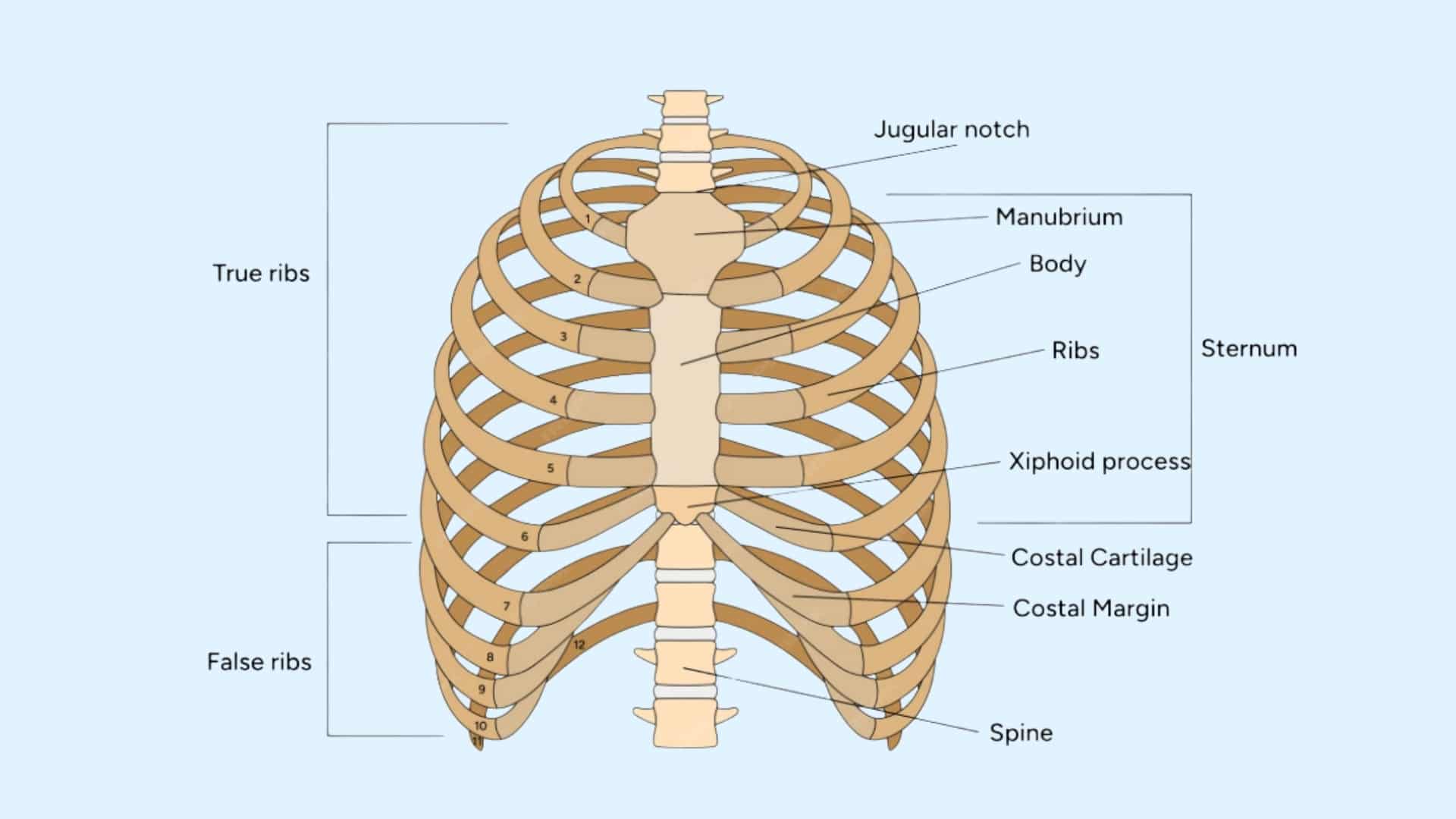
The rib cage, or thoracic cage, is a vital structure that forms the protective framework around the heart, lungs, and major blood vessels. Composed of 12 pairs of ribs attached to the thoracic spine at the back and connected to the sternum via costal cartilages at the front, the rib cage is both strong and flexible. This flexibility allows the rib cage to expand and contract with each breath, supporting deep breathing and effective lung function.
The lower ribs, particularly ribs 8, 9, and 10, are more mobile due to their cartilaginous connections, making them susceptible to conditions like slipping rib syndrome. When the normal mechanics of the rib cage are disrupted, as in cases of scoliosis or rib syndrome, patients may experience chronic pain, discomfort, and even functional limitations. Understanding the anatomy of the rib cage is essential for diagnosing and managing slipping rib syndrome, as the interplay between the ribs, costal cartilage, and thoracic spine directly influences both the onset and severity of symptoms.
Want a specialist opinion on your condition?
Get a clear answer from a surgeon who will be with you throughout.
Understanding Scoliosis and Rib Mechanics
Scoliosis represents a three-dimensional deformity of the spine involving lateral curvature, vertebral rotation, and often sagittal plane abnormalities. This complex spinal misalignment directly affects chest wall geometry because ribs attach to thoracic vertebrae and move with them. Understanding this connection explains why many patients with moderate to severe curves develop rib syndrome symptoms and other chest wall problems.
Spinal Curvature and Rib Rotation
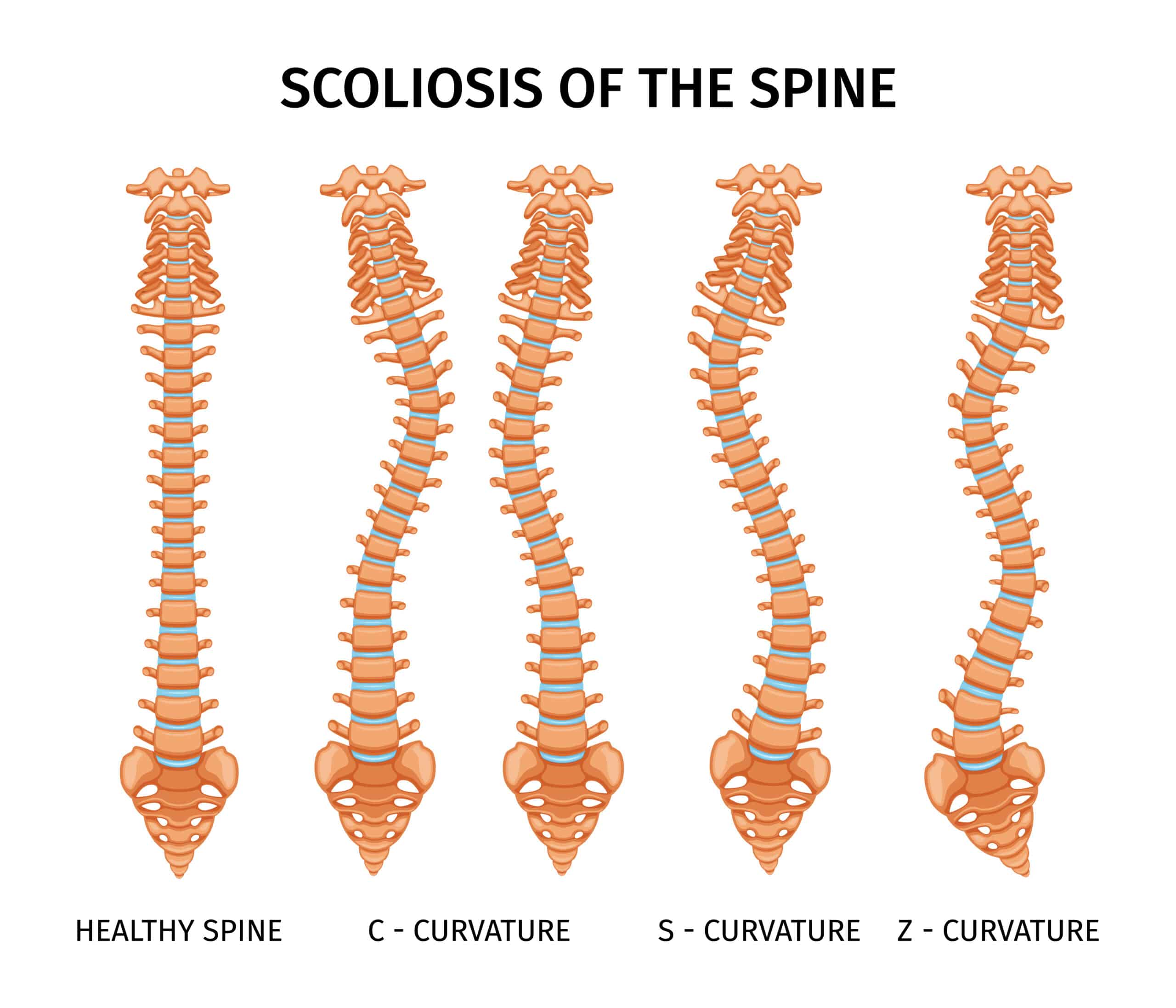
When a spinal curve develops in the thoracic region, vertebral bodies rotate toward the convex side of the curved spine, and the attached ribs follow this rotation. This creates the characteristic rib hump visible during forward bending examination, a posterior prominence on the convex side with corresponding anterior rib flare. CT-based studies comparing patients with idiopathic scoliosis to controls demonstrate significant differences in rib cage morphology, including altered rib inclination angles, asymmetric rib lengths, and reduced chest cage depth on the concave side.
This rotational distortion places asymmetric stress on the costal arch and its cartilaginous connections. Ribs on the convex side experience increased tension, while the anterior cartilaginous part of the lower ribs undergoes abnormal torsional loading. Over time, these mechanical stresses can weaken the interchondral ligaments that normally restrain ribs 8-10, creating conditions favorable for slipping rib syndrome development.
Slipping Rib Syndrome Pathophysiology
Slipping rib syndrome, also called interchondral subluxation, Cyriax syndrome, or clicking rib syndrome, occurs when the anterior cartilaginous attachments of the lower ribs lose their normal restraint. SRS is characterized by pain in the lower chest or upper abdominal region caused by intercostal nerve impingement due to abnormal movement of false ribs (8-12). The rib tip affected typically involves ribs 8, 9, or 10, which share fibrocartilaginous connections rather than direct sternal attachments. When these connections tear, stretch, or weaken, the lower rib tips can demonstrate excessive movement, subluxating over adjacent ribs and irritating the nearby intercostal nerves running beneath the costal margin. The condition arises from hypermobility of the anterior ends of the false rib costal cartilages, leading to irritation of the intercostal nerve and strain of the intercostal muscles. Slipping or unstable ribs can press on nearby nerves, causing additional pain and discomfort.
In scoliosis patients, this pathophysiology is amplified by pre-existing abnormal curvature of the rib cage. The rotating vertebrae pull ribs, twist connective tissue, and alter the orientation of cartilaginous attachments. Cumulative microtrauma from repetitive movements or repetitive strain gradually weakens interchondral joints already compromised by abnormal loading. Research suggests that patients with underlying joint laxity or connective tissue disorders face even higher risk factors for developing slipping rib when combined with scoliosis.
The combination of structural predisposition and mechanical stress explains why scoliosis patients may develop slipping rib syndrome without obvious previous rib injury or trauma.
"Dr. Marco Scarci is a deeply knowledgeable, open-minded, and empathetic surgeon. He listens to details and solves problems to truly deliver the most optimal results. As a medical professional myself, I can tell you that finding a specialist like Dr. Scarci is very rare, and it is a privilege to have him in my corner."
Causes of Rib Flare
Rib flare occurs when the ribs protrude outward or become abnormally separated from the costal cartilages, resulting in a visible or palpable deformity of the rib cage. This condition can arise from several underlying causes. Congenital anomalies, such as those present from birth, may affect the development and alignment of the ribs and chest wall. Previous rib injury, whether from trauma or repetitive strain, can weaken the structural integrity of the rib cage and contribute to rib flare over time.
A common contributing factor is idiopathic scoliosis, a curved spine that alters the normal alignment of the rib cage and leads to abnormal curvature and rib flare. The repetitive strain placed on the chest wall by a curved spine can exacerbate this problem, especially in individuals who engage in activities involving frequent twisting or bending motions. Managing symptoms of rib flare often requires a multidisciplinary approach, including physical therapy to strengthen the chest wall, pain management strategies to address discomfort, and, in some cases, surgical intervention to correct the underlying cause and restore normal rib cage alignment.
Have a question about your diagnosis?
A consultation gives you a personalised plan — not a generic estimate.
Scoliosis-Related Slipping Rib Syndrome Presentation
The biomechanical changes created by thoracic scoliosis produce distinctive symptom patterns that help differentiate rib syndrome from routine spinal alignment-related discomfort. Recognizing these patterns enables earlier diagnosis and appropriate specialist referral.
Characteristic Symptoms in Scoliosis Patients
Chest pain in scoliosis-related slipping rib syndrome typically presents as unilateral discomfort, often concentrated on the convex side of the thoracic curve where rib rotation and prominence are greatest. Patients describe various pain qualities: shooting pain during certain movements, a dull ache at rest, or intense pain triggered by specific activities. The pain frequently radiates along the costal margin into the upper abdomen or flank, sometimes mimicking upper abdominal pain or gastrointestinal conditions.

Slipping rib syndrome is often underdiagnosed and can cause severe pain in the lower chest or upper abdomen, particularly affecting younger patients and those involved in sports.
Common symptoms include a clicking or popping sensation when changing positions, coughing, or taking deep breaths. Activity aggravating pain typically involves twisting motions, bending motions, or positions that stress the deformed chest wall. Patients often report that deep breathing becomes uncomfortable, leading to shallow breathing patterns that further reduce chest wall mobility.
Many patients note that the pain follows specific patterns, worse when leaning toward one side, aggravated by frequent twisting during daily activities, or triggered by a minor injury that would not normally cause symptoms. These features distinguish rib syndrome from the more diffuse muscular discomfort common in scoliosis.
Physical Examination Findings
Physical examination reveals several characteristic findings. Visible chest wall asymmetry includes the rib hump posteriorly and rib flare anteriorly on the convex side. Palpation of the costal arch identifies tenderness at specific rib tip locations, typically ribs 8-10 on the affected side. The lower chest and upper abdomen may show subcostal bulging from displaced rib tips.
The hooking maneuver serves as the key diagnostic test: the examiner hooks fingers under the costal margin and lifts anteriorly and upward. A positive test reproduces the patient’s pain or elicits a palpable slip of the affected rib over the adjacent rib. In scoliosis patients, this maneuver is often positive on the convex costal margin, where ribs experience the greatest rotational stress.
Correlation between curve severity (measured by Cobb angle) and rib syndrome likelihood suggests that moderate to severe curves (above 25 degrees) with significant vertebral rotation carry increased risk for developing symptomatic rib hypermobility.
Diagnostic Imaging Considerations
Imaging tests present unique challenges in diagnosing slipping rib syndrome, particularly in scoliosis patients. Standard radiographs effectively assess spinal curvature magnitude and vertebral rotation but poorly visualize costal cartilage. Static imaging cannot capture the dynamic subluxation that occurs during movement.
Dynamic ultrasound has emerged as the most valuable imaging modality for confirming slipping rib syndrome. By visualizing costal cartilage movement during provocative maneuvers or deep breathing, ultrasound can document hypermobility or abnormal movement of the lower rib tips. This approach avoids radiation exposure, particularly important in younger patients who may require serial imaging, and provides real-time assessment of cartilage mobility.
CT scanning offers excellent visualization of bony rib structure and can identify severe cases involving rib head displacement or skeletal abnormalities related to the spinal deformity. MRI may be indicated when suspicion exists for surrounding tissue injury or when neurological involvement requires evaluation.
"After multiple failed consultations elsewhere, Mr Scarci identified exactly what was wrong and operated within two weeks. Recovery was smooth and I'm back to normal life."
Diagnostic Procedures using Dynamic Ultrasound
Dynamic ultrasound has become an invaluable tool in the diagnosis of slipping rib syndrome. Unlike traditional imaging, dynamic ultrasound allows clinicians to observe the rib cage in motion, providing real-time visualization of the affected rib tip during specific maneuvers. By asking the patient to perform deep breathing, twisting, or other movements that typically provoke symptoms, the clinician can directly demonstrate excessive movement of the slipping rib.
This technique is particularly useful for confirming the diagnosis of slipping rib syndrome, as it can clearly show the abnormal mobility of the rib tip and its relationship to surrounding tissues. Dynamic ultrasound is non-invasive, does not expose patients to radiation, and is especially suitable for younger patients or those requiring repeated assessments. By identifying the underlying cause of the rib syndrome and pinpointing the affected rib, dynamic ultrasound helps guide targeted treatment and ensures that interventions are both effective and minimally disruptive.
Clinical Assessment and Surgical Evaluation
Thoracic surgery consultation becomes appropriate when conservative measures fail to provide adequate pain relief, when symptoms significantly impair daily function, or when diagnostic uncertainty requires specialist evaluation. The assessment process integrates clinical findings, imaging results, and functional impact to guide treatment decisions.
Comprehensive Thoracic Surgery Assessment
When specialist evaluation is warranted, the consultation process follows a systematic approach:
- Detailed pain history and functional impact assessment: Documentation of pain location, character, triggers, duration, and effect on activities, sleep, and quality of life. Understanding the underlying cause requires distinguishing rib syndrome from other chest wall problems or scoliosis-related muscular pain.
- Physical examination focusing on chest wall mechanics: Assessment includes curve characteristics, rib mobility testing, hooking maneuver, and evaluation of respiratory mechanics. Core muscle strength and postural patterns are given attention due to their influence on chest wall stability.
- Review of imaging studies and clinical correlation: Interpretation of existing imaging in the context of clinical findings, with determination of whether additional studies, such as dynamic ultrasound, would clarify the diagnosis.
- Discussion of treatment options: Explanation of the full spectrum from conservative management through surgical intervention, with honest assessment of expected outcomes, recovery timelines, and potential complications.
Treatment Decision Matrix
| Symptom Severity | Scoliosis Characteristics | Recommended Approach | Expected Outcome |
|---|---|---|---|
| Mild, intermittent | Cobb angle <25°, minimal rotation | Conservative: physical therapy, activity modification | 60-70% symptom improvement |
| Moderate, affecting function | Cobb angle 25-45°, moderate rotation | Escalated conservative care, consider nerve blocks | Temporary relief; may require surgery if persistent |
| Severe, daily impact | Any curve with significant rotation | Surgical evaluation: costal cartilage excision | 70-80% return to full activity |
| Associated with curve requiring correction | Surgical candidate for scoliosis | Combined spinal and rib surgery consideration | Comprehensive correction of both conditions |
The decision between conservative and surgical intervention depends on symptom duration, functional impact, response to initial treatments, and patient goals. Patients with severe pain lasting more than 6 months despite appropriate conservative care typically benefit most from surgical intervention, with case series demonstrating that 73% of surgical patients return to full activity within approximately 3.5 months.
Treatment Approaches for Scoliosis-Related Rib Syndrome
Treatment follows a hierarchy beginning with conservative measures and progressing to surgical options when symptoms persist. The presence of scoliosis influences treatment selection and requires attention to the underlying spinal deformity alongside rib syndrome management.
Conservative Management in Scoliosis Patients
Physical therapy represents the foundation of conservative treatment, with specific modifications for scoliosis patients. Therapy programs focus on postural correction, chest wall muscle balancing, and exercises addressing the rib hump and thoracic rotation characteristic of scoliosis. Breathing exercises help improve chest wall compliance and may reduce strain on the costal cartilage. Methods such as the Schroth approach specifically address rib cage asymmetry through targeted muscle activation and rotational correction.
Pain management strategies include NSAIDs for inflammatory components and activity modification to avoid movements involving twisting or positions that reproduce symptoms. Intercostal nerve blocks can provide temporary relief and serve diagnostic purposes. Significant pain reduction following a block supports the diagnosis and predicts favorable surgical outcomes. Some patients find chiropractic care or chiropractic treatment helpful for managing symptoms, though evidence specifically for slipping rib syndrome remains limited.
Conservative approaches succeed in managing symptoms for many patients with mild to moderate presentations, though chronic pain may persist in a subset requiring escalation.
Physical Therapy for Pain Management
Physical therapy plays a central role in the pain management of slipping rib syndrome. A skilled physical therapist will design a personalized exercise program that focuses on strengthening the core muscles and stabilizing the rib cage, which can significantly reduce pain and improve function. Techniques such as manual therapy and chiropractic treatment may be incorporated to enhance spinal alignment and relieve tension in the chest wall.
For many patients, physical therapy provides temporary relief from severe pain and helps prevent recurrence by addressing the underlying biomechanical issues. In cases where pain persists, physical therapy can be combined with other treatments, such as nerve blocks or surgical intervention, to maximize pain relief and support recovery. By improving posture, enhancing core stability, and teaching safe movement patterns, physical therapy empowers patients to manage symptoms of slipping rib syndrome and maintain an active lifestyle.
Minimally Invasive Surgical Options
When conservative management fails to provide adequate pain relief, surgical intervention offers definitive treatment. Costal cartilage excision, removal of the hypermobile rib tips causing symptoms, represents the standard surgical approach. Modern techniques favor thoracoscopic approaches using Video-Assisted Thoracic Surgery (VATS), which offers several advantages over traditional open surgery.
Keyhole surgery through small incisions allows visualization and resection of the affected cartilage with minimal tissue disruption. Recovery is typically faster, scarring is minimal, and complication rates are low in experienced hands. Paediatric surgery case reports demonstrate favorable outcomes, with the majority of patients returning to normal activities within months of the procedure.
The extent of resection depends on intraoperative findings; typically, the mobile cartilaginous tips of ribs 8, 9, or 10 are removed while preserving stable cartilage and minimizing impact on chest wall mechanics.
Combined Spinal and Rib Surgery Considerations
In patients with severe cases where scoliosis itself requires surgical correction, coordinated planning between spinal and thoracic surgeons may offer comprehensive treatment. Spinal fusion or osteotomy reduces vertebral rotation and indirectly improves rib cage alignment, potentially preventing future rib syndrome development in remaining ribs.
Timing of interventions requires careful consideration. In some cases, addressing the spinal deformity first may reduce strain on the costal cartilage sufficiently that rib surgery becomes unnecessary. In others, simultaneous or staged procedures offer the most efficient path to symptom resolution. Multidisciplinary care planning ensures that both conditions receive appropriate attention.
Not sure about your treatment options?
Mr Scarci provides expert consultations typically within one week of contact.
Nerve Blocks for Pain Relief
Nerve blocks are a highly effective pain management option for patients suffering from slipping rib syndrome, particularly when severe pain limits daily activities or participation in physical therapy. This procedure involves injecting a local anaesthetic, sometimes combined with a steroid, directly around the affected intercostal nerve to block pain signals from reaching the brain.
Guided by imaging tests such as ultrasound or fluoroscopy, the clinician can accurately target the nerve associated with the slipping rib, providing rapid and targeted pain relief. Nerve blocks offer temporary relief, allowing patients to engage more fully in rehabilitation and other activities that promote long-term recovery. While not a permanent solution, nerve blocks can reduce pain and inflammation, making them a valuable component of a comprehensive pain management strategy for slipping rib syndrome.
Common Challenges and Specialist Solutions
Patients with scoliosis and slipping rib syndrome face unique obstacles that benefit from specialist expertise. Understanding these challenges enables more effective management strategies.
Delayed Diagnosis and Misattribution
Slipping rib syndrome remains underdiagnosed, with many patients visiting multiple providers before receiving an accurate diagnosis. Studies of paediatric patients show a median of three provider visits and four non-diagnostic imaging tests before diagnosis. In scoliosis patients, the challenge intensifies because radiating pain and chest wall discomfort are often attributed to the underlying spinal abnormality rather than recognized as a distinct rib syndrome requiring specific treatment.
Thoracic surgery consultation provides specialized evaluation to differentiate slipping rib from routine scoliosis-related muscular pain. Early diagnosis prevents prolonged suffering and inappropriate treatments targeting other suspected conditions.
Recurrent Symptoms After Initial Treatment
Some patients experience symptom return after conservative treatment or even after surgical intervention. Recurrence may indicate residual hypermobility in adjacent cartilage or progression of the underlying scoliosis with continued stress on the remaining rib attachments.
Advanced imaging, including dynamic ultrasound reassessment, helps identify the source of recurrent symptoms. Revision surgery using minimally invasive techniques can address persistent or newly symptomatic ribs. Long-term follow-up protocols monitor for recurrence, particularly in younger patients whose spinal curves may progress.
Cosmetic and Functional Concerns
Patients with scoliosis often have pre-existing cosmetic concerns related to the rib hump and chest wall asymmetry. Additional scarring from rib surgery compounds these issues. Modern keyhole surgery techniques minimize visible scarring while effectively addressing both conditions through small incisions positioned inconspicuously.
Patient education regarding realistic expectations proves essential. While surgery can eliminate the catching, clicking, and severe pain of slipping rib syndrome, it does not correct the underlying scoliosis or its cosmetic effects. Discussing these limitations upfront helps patients make informed decisions and experience satisfaction with outcomes.
Want a specialist opinion on your condition?
Get a clear answer from a surgeon who will be with you throughout.
Conclusion and Next Steps
Scoliosis can cause slipping rib syndrome through the altered chest wall mechanics, rib rotation, and asymmetric loading patterns inherent to spinal curvature. The abnormal curvature of the thoracic spine creates conditions that stress and ultimately weaken the interchondral attachments of the lower ribs, leading to hypermobility, subluxation, and intercostal nerve irritation. Recognition of this connection enables appropriate evaluation and treatment.
Immediate action steps:
- Schedule a thoracic surgery consultation if experiencing persistent chest pain, a popping sensation, or localized lower chest tenderness with known scoliosis.
- Arrange a comprehensive assessment including physical examination with hooking maneuver and appropriate imaging such as dynamic ultrasound.
- Complete a trial of conservative management, including targeted physical, therapy before considering surgical options.
- Consider minimally invasive surgical intervention for symptoms unresponsive to conservative care.
- Establish follow-up protocols for long-term monitoring, particularly in younger patients with progressing curves.
Related topics that may warrant further exploration include chest wall deformities associated with scoliosis, thoracoscopic surgery techniques and recovery expectations, congenital anomalies affecting rib development, and coordination of care between spinal and thoracic surgeons for comprehensive management.
