

For many patients diagnosed with lung cancer, the first question is whether they will need an operation. Surgery is often the first treatment for lung cancer when the disease is caught early, but it is not always possible or necessary. Advances in radiation therapy, immunotherapy, and targeted therapy mean that some patients can now achieve long-term remission – and in certain cases, cure – without a single incision.
This guide explains when a lung cancer cure-no-surgery approach is realistic, which treatments make it possible, and how to work with your care team to find the safest path forward.
Some early stage lung cancer (particularly stage 1 non small cell tumours) can be cured with stereotactic ablative body radiotherapy (SABR/SBRT) when lung cancer surgery is unsafe or refused by the patient.
Metastatic lung cancer is rarely cured, but modern drug treatments – including immunotherapy, targeted therapy, and enrollment in clinical trials – can control disease and extend survival for years.
Treatment decisions are always made by a multidisciplinary team of healthcare professionals. Mr Marco Scarci specialises in minimally invasive options, including keyhole surgery, and advises patients on both surgical and non surgical treatments.
For inoperable or advanced lung cancer, palliative care and symptom-focused treatments can significantly improve quality of life even when cure is not the goal.
Early diagnosis through lung cancer screening gives patients the widest range of treatment options, including less invasive approaches with the highest cure rates.
Understanding When Lung Cancer Can Be Cured Without Surgery
In oncology, “cure” typically means no detectable cancer remaining after treatment and no recurrence over at least five years. “Control” means the disease is stable or shrinking but may return. Many people search for alternatives to surgery because they have been told an operation is too risky, or because they want to understand every available option before making a decision.
Approximately 80% of lung cancer cases are non-small-cell lung cancer, which includes subtypes such as adenocarcinoma, squamous cell carcinoma, and large cell carcinoma. When it is localised, non small cell lung cancer can be treated with surgery if the patient’s general health allows. Surgery may be possible for stage 0 and stage 1 non-small-cell lung cancer, offering the best chance of complete removal.
Small cell lung cancer accounts for 10–15% of lung cancers. It is aggressive, often diagnosed after it has spread, and surgery is rarely used for small-cell lung cancer treatment. Instead, chemoradiotherapy is a standard approach for locally advanced lung cancer of this type, with cure sometimes achievable in limited-stage disease.
How staging shapes the best treatment:
Stage | Non Small Cell | Small Cell |
Early (Stage I–II / Limited) | Surgery, SABR, or ablation with curative intent | Chemoradiotherapy ± prophylactic cranial irradiation |
Locally advanced (Stage III) | Chemoradiotherapy + immunotherapy | Chemoradiotherapy |
Metastatic (Stage IV / Extensive) | Systemic therapy; cure rare, control possible | Chemotherapy + immunotherapy; cure virtually unknown |
The tone here is realistic: advances up to 2026 have genuinely improved survival, but no treatment guarantees a cure for every patient.
Want a specialist opinion on your condition?
Get a clear answer from a surgeon who will be with you throughout.
When Is Lung Cancer Considered Inoperable?
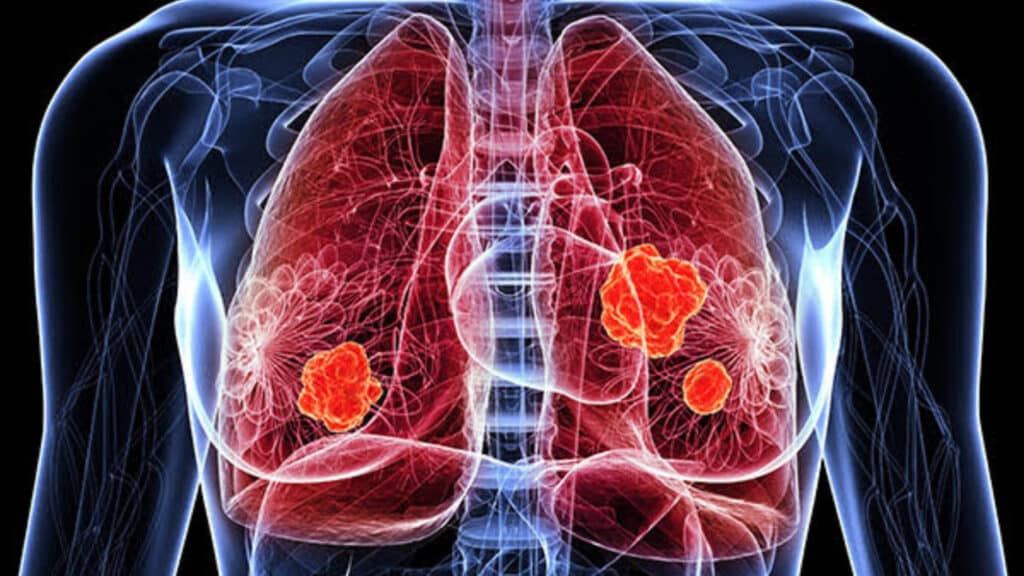
From a thoracic surgeon’s perspective, “inoperable” means the tumour cannot be safely or completely removed, or that the patient’s overall health makes lung surgery too dangerous.
Anatomical reasons a tumour may be inoperable:
Tumour wrapped around major blood vessels or the heart
Extensive cancer spread into the mediastinum or lymph nodes on both sides of the chest
Multiple tumours in both lungs
Lung cancer is inoperable if it has spread outside the lungs to distant organs
Functional reasons surgery may be unsafe:
Poor results on a lung function test (low FEV1 or DLCO)
Severe COPD or other chronic pulmonary disease, which can make lung cancer surgery too risky
Serious heart disease or general frailty
General health and lung function directly affect surgery eligibility
For small cell lung cancer, surgery is usually not an option for extensive small-cell lung cancer because the disease has typically spread by the time of diagnosis. In non small cell lung cancer, inoperability often relates to the tumour’s position or the patient’s fitness.
Importantly, “inoperable” can sometimes change. Radiotherapy can be used to shrink tumours before surgery, and chemotherapy may downstage a tumour enough that an operation becomes technically possible. Patients should ask for re-assessment if their situation improves.
"Dr. Marco Scarci is a deeply knowledgeable, open-minded, and empathetic surgeon. He listens to details and solves problems to truly deliver the most optimal results. As a medical professional myself, I can tell you that finding a specialist like Dr. Scarci is very rare, and it is a privilege to have him in my corner."
Non-Surgical Curative-Intent Options for Early Non Small Cell Lung Cancer
For some patients with early stage lung cancer, cure without surgery is a realistic goal. This applies particularly to those with small, peripheral tumours and no spread to lymph nodes, who cannot safely undergo an operation.
A thoracic surgeon like Mr Scarci works alongside oncologists and radiologists within the multidisciplinary team to decide whether keyhole surgery, SABR, or another approach is most appropriate. As an expert in thoracic surgery in London, he tailors recommendations to each patient’s needs. The treatment plan depends on tumour size, location, the patient’s fitness, and personal preference.
Stereotactic Radiotherapy (SABR/SBRT) as a Surgery Alternative
Stereotactic ablative body radiotherapy, also known as SABR or SBRT, is a leading non-surgical curative option for early-stage non-small cell lung cancer. It is often considered for patients who are not suitable for surgery because of age, lung function, other medical conditions, or treatment preference.
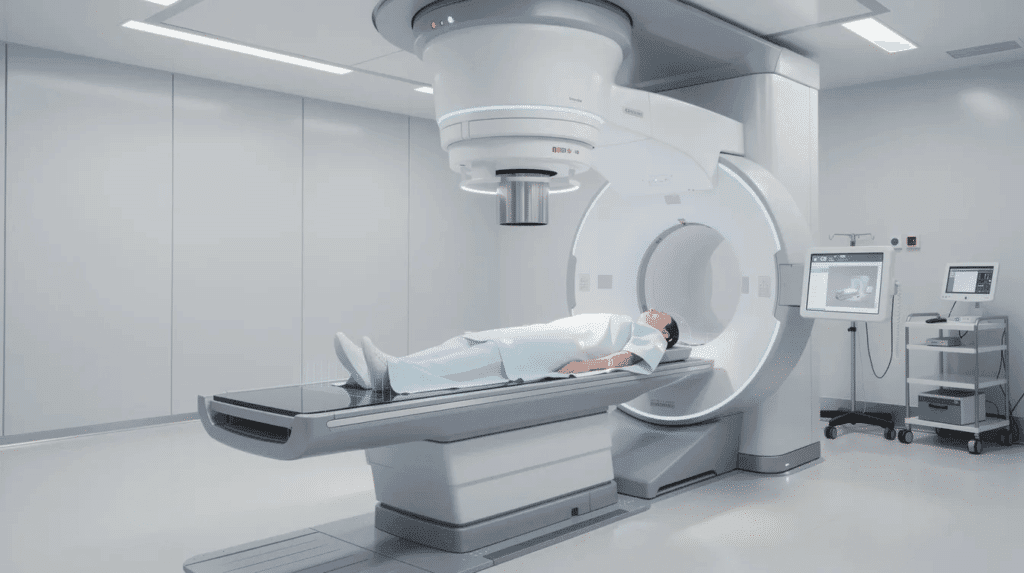
SABR delivers very high, precise doses of radiation to the tumour from multiple angles. Advanced imaging, immobilisation, and breathing-motion management help target the cancer accurately while reducing exposure to healthy lung tissue.
Treatment is usually given as an outpatient procedure over 3 to 10 sessions, often across one to two weeks. There is no anaesthetic, no incision, and usually no hospital stay.
Outcomes for selected patients can be strong. A prospective phase II trial of medically inoperable Stage I NSCLC showed 7-year overall survival of approximately 47.5% and local control above 95%. UK cohort data also report 1- to 3-year local control of 95–98% for selected peripheral early-stage tumours.
Most side effects are mild, such as fatigue, temporary chest discomfort, cough, or skin sensitivity. Serious lung inflammation, known as radiation pneumonitis, is uncommon but possible, especially with larger or centrally located tumours.
SABR is not suitable for every patient. Tumours larger than around 5 cm, cancers close to central airways or major blood vessels, previous high-dose radiotherapy, or complex lung conditions may limit whether it can be used safely.
If you have been told you are not fit for an operation, ask whether SABR/SBRT is suitable for your tumour type, size, and location, and how your lung function affects the balance between benefit and risk.
Ablation and Photodynamic Therapy
For very localised disease, ablation or photodynamic therapy may provide tumour eradication without removing lung tissue.
Radiofrequency ablation (RFA) and cryoablation. A CT-guided needle is inserted into the tumour to kill cancer cells using heat (RFA) or freezing (cryoablation). Ablation techniques destroy tumour tissue using energy and are minimally invasive. These methods work best for small peripheral nodules, typically under 3–4 cm.
In photodynamic therapy (PDT), for early central tumours or endobronchial lesions, a light-sensitive drug is administered, followed by laser activation via bronchoscope to destroy cancer cells in the airway. PDT is best suited to small, superficial cancerous cells accessible through the airway.
These techniques can be curative in selected cases but are more often used as part of a wider lung cancer treatment plan – for example, when a tumour is too central for SABR or when the patient is unfit for lung surgery. They do not treat tumours that have spread to lymph nodes or distant sites.
Not sure about your treatment options?
Mr Scarci provides expert consultations typically within one week of contact.
Treating Advanced and Metastatic Lung Cancer Without Surgery
Most metastatic lung cancer (Stage IV) is treated without surgery. While a cure is uncommon at this stage, survival has improved substantially in the 2020s thanks to new treatments that fight cancer on multiple fronts.
For oligometastatic disease – where only a few secondary sites exist – precise radiotherapy (such as SABR) to individual metastases, combined with systemic drug treatments, can prolong control and occasionally approach cure-like outcomes. Surgery may still be used for isolated metastases (for example, a single adrenal lesion), but it is not the main treatment in widespread disease.
Individualised plans are developed by a multidisciplinary team, balancing life expectancy, side effects, and quality of life.
Systemic Therapies: Chemotherapy, Targeted Drugs and Immunotherapy
Systemic treatments circulate throughout the body, making them essential to treat lung cancer that has spread or cannot be removed.
Chemotherapy
Traditional lung cancer treatment often involves systemic chemotherapy. It remains the backbone for both small cell and non small cell lung cancer. Chemotherapy usually involves 4 to 6 cycles over 3 to 6 months, and may be given alone, with radiotherapy (as continuous hyperfractionated accelerated radiotherapy or concurrent chemoradiation), or alongside immunotherapy. Immunotherapy can be combined with chemotherapy for lung cancer to improve response rates.
Targeted therapy
Molecular biomarker testing is fundamental to treatment decisions for lung cancer. For non small cell tumours with specific genetic changes – such as EGFR, ALK, ROS1, or MET mutations – targeted therapies allow tablets to control cancer for years. Targeted therapies are suitable for patients with specific cancer mutations, and they can dramatically extend survival even in advanced lung cancer. The national cancer institute and UK guidelines recommend routine molecular testing at diagnosis.
Immunotherapy
Checkpoint inhibitors such as pembrolizumab, nivolumab, and atezolizumab work by activating the body’s immune system to recognise and fight cancer cells that would otherwise evade detection. Immunotherapy can be administered for up to 2 years. In the PACIFIC trial, patients with unresectable Stage III NSCLC who received durvalumab after chemoradiotherapy achieved a 5-year overall survival of approximately 42.9%.
Emerging approaches
CAR T cell therapy and cancer vaccines are under investigation in clinical trials, though they are not yet standard for lung cancer. The immune system’s ability to recognise remaining cancer cells after initial treatment is the principle driving much of this research.
While systemic therapies usually do not cure metastatic disease outright, long remissions are increasingly common. Some patients with advanced lung cancer now survive three, four, or more years – outcomes that would have been exceptional a decade ago.
Radiotherapy for Metastatic and Inoperable Lung Cancer
Radiation therapy plays several important roles beyond curative treatment. In metastatic lung cancer, it may be used to control specific areas of disease, reduce symptoms, or protect quality of life when surgery is not appropriate.
For brain metastases, stereotactic radiosurgery can deliver concentrated radiation to targeted areas in a small number of sessions, sometimes in a single treatment. In small-cell lung cancer, prophylactic cranial irradiation may also be considered to reduce the risk of cancer spreading to the brain in selected patients.
Radiotherapy is also widely used for symptom relief in advanced lung cancer. Palliative radiotherapy can help control cough, bleeding, chest pain, airway narrowing, and other symptoms caused by tumour growth. Depending on the situation, treatment may involve 1 to 5 sessions and can significantly improve comfort and day-to-day function.
When radiotherapy is given with curative or near-curative intent, it is often described as radical radiotherapy. This usually involves a longer course, often around 20 to 32 treatment sessions, allowing higher total doses to be delivered safely over several weeks.
The key point is that radiotherapy can still be valuable even when it is not being used to cure the cancer. It can relieve symptoms, improve breathing or pain control, and support quality of life across different stages of lung cancer.
"I was diagnosed in March with a rare condition. My local hospital said it was inoperable due to the size of the mass. Mr Scarci reassured me the thymoma was resectable. I was booked for surgery the following week where he successfully removed the entire tumour."
Role of Lung Cancer Screening and Early Diagnosis
The best chance of curing lung cancer – with or without major surgery – comes from diagnosing it early, before cancer spreads.
Current UK and international recommendations advise low-dose CT lung cancer screening for high-risk groups, typically adults aged 50–74 with a significant history of cigarette smoking, because lung cancer can go undetected for months or years before causing obvious symptoms. Screening detects small non small cell tumours at Stage 1, when options like keyhole surgery, SABR, or ablation offer the highest cure rates and the least invasive treatment.
If symptoms arise – persistent cough, coughing blood, unexplained weight loss – rapid assessment is essential, even in non-smokers. More tests such as CT, PET-CT, and biopsy help determine whether cancer cells survive only locally or have spread. Mr Scarci can arrange prompt diagnostic work-up privately in London, including imaging and bronchoscopy, for patients concerned about lung cancer.
Working With Your Multidisciplinary Team to Find the Best Treatment
Every lung cancer treatment plan should be shaped by a multidisciplinary team (MDT). This group collectively determines the best treatment options – both surgical and non-surgical – based on all available evidence.
Core MDT members include:
Thoracic surgeon
Respiratory physician
Medical oncologist
Clinical oncologist (radiotherapy specialist)
Radiologist and pathologist
Lung cancer nurse specialist
Palliative care team
Individual factors – stage, type of lung cancer (small cell vs non small cell), performance status, other illnesses, and personal preferences – all influence whether non surgical treatments or surgery is recommended. Treatment depends on a careful balance of these variables.
Questions worth asking your MDT:
“Can my type of lung cancer be cured without surgery?”
“Is SABR suitable for me?”
“Are there clinical trials I should consider?”
“What adjuvant treatment might I need after my main treatment?”
As a consultant thoracic surgeon, Mr Scarci often advises on whether minimally invasive surgery, non-surgical options, or a combination will offer the safest long-term outcome.
Clinical Trials and Emerging Non-Surgical Treatments
A clinical trial is a carefully designed research study that tests new treatments or new ways of using existing ones. For patients with inoperable or metastatic lung cancer, clinical trials may provide access to therapies that are not yet widely available in routine care.
Emerging non-surgical approaches include new combinations of immunotherapy and targeted therapy, cancer vaccines designed to help the immune system recognise and destroy cancer cells, cell therapies, and advanced radiotherapy techniques. Some studies are also exploring whether systemic therapy combined with radiotherapy could replace lung cancer surgery in carefully selected non-small cell lung cancer cases.
Patients may be referred to UK-based clinical trials through their oncologist or a specialist cancer centre. Eligibility depends on several factors, including cancer stage, previous treatments, general health, and results from additional tests such as molecular profiling. Your care team can explain the possible benefits, risks, and practical requirements of any trial, and whether it is suitable for your situation.
Have a question about your diagnosis?
A consultation gives you a personalised plan — not a generic estimate.
Palliative Care, Symptom Control and Quality of Life
Palliative care is about living as well as possible with cancer – it is not limited to end-of-life care. Early involvement of palliative care teams has been shown to improve both quality of life and, in some studies, survival for people with advanced lung cancer.
Typical symptom-focused treatments include:
Pain control and breathlessness management
Palliative radiotherapy to painful or obstructing lesions to control symptoms
Airway stents, laser therapy, and drainage procedures to relieve symptoms such as fluid build-up
Counselling, support groups, fatigue management, and help with treatment side effects at home
Mr Scarci’s team works closely with palliative care and respiratory specialists to keep patients comfortable before and after any surgical or non-surgical treatment. Even when a wedge resection or removal of an entire lung is not feasible, other treatments can shrink tumours, reduce symptoms, and maintain daily function.
How a Thoracic Surgeon Helps Even When You Don’t Have Surgery
A lung surgeon’s role extends well beyond the operating theatre. Mr Marco Scarci evaluates operability, explains the risks and benefits of lung cancer surgery versus non-surgical approaches, and helps patients make informed treatment decisions.
When surgery is needed, minimally invasive techniques such as VATS and robotic surgery reduce pain, shorten hospital stay, and preserve lung function compared with open operations, and detailed lung cancer surgery guides for diagnosis and recovery can help patients understand what to expect. In some cases, a surgeon may monitor small tumours over time with scans rather than operate immediately, especially if non-surgical options remain viable.
If you are exploring a lung cancer cure with no surgery pathway, or simply want an expert second opinion, Mr Scarci offers both face-to-face and virtual consultations in London. Understanding every option – surgical and non-surgical – puts you in the strongest position to make the right decision for your health.
Want a specialist opinion on your condition?
Get a clear answer from a surgeon who will be with you throughout.
Frequently Asked Questions
Can early-stage lung cancer really be cured without surgery?
For selected Stage 1 non small cell tumours in patients unfit for an operation, stereotactic ablative body radiotherapy (SABR/SBRT) can achieve long-term control and potential cure. Seven-year survival rates above 47% have been reported in medically inoperable patients treated with SABR. Careful staging with CT, PET-CT, and sometimes mediastinal sampling is essential before deciding against surgery. Ask your MDT or a thoracic surgeon whether your tumour size, location, and overall health make non-surgical curative treatment realistic.
Is there any situation where metastatic lung cancer can be cured?
Widespread metastatic lung cancer is usually managed as a chronic condition rather than cured. However, rare patients with oligometastatic disease – for example, a single lung or adrenal metastasis – may be treated with curative intent using SABR or surgery after a good response to systemic therapy. These decisions are highly individual and must involve both oncology and thoracic surgery teams. Cancer cells survive in ways that are difficult to predict, so close monitoring is always required.
If I am not fit for lung cancer surgery now, could that change later?
Yes. Overall fitness can sometimes improve with smoking cessation, pulmonary rehabilitation, optimised heart and lung medications, and weight management. In some cases, chemotherapy or radiotherapy may shrink a tumour enough to make surgery technically possible where it was initially inoperable. An increased risk from comorbidities does not always remain permanent. Patients should ask for re-assessment if their health status significantly improves after initial treatment.
Are complementary or alternative therapies enough to treat lung cancer without surgery?
Complementary approaches such as acupuncture, yoga, meditation, and nutritional support can help with symptoms and wellbeing, but they do not cure lung cancer on their own. Replacing evidence-based treatments – surgery, radiotherapy, or systemic therapies – with unproven alternatives carries serious risk. Always discuss any supplements or alternative therapies with your healthcare professionals to avoid interactions with drug treatments or delays in effective care.
How can I get a second opinion on whether I need lung cancer surgery?
UK patients are entitled to seek a second opinion. Private consultations can often be arranged quickly in London. Bring your imaging (CT, PET-CT), pathology reports, lung function tests, and current treatment plan. Mr Marco Scarci offers both in-person and virtual appointments to review cases, explain minimally invasive options, and discuss when non-surgical treatments may be preferable.
