

Understanding Rib Fractures and Chest Wall Traumas
What Are Rib Fractures?
A rib fracture is a break or crack in one of the rib bones, which are part of the rib cage that protects vital organs like the heart and lungs. While ribs are designed to be flexible to withstand pressure, they can still fracture under significant force or repetitive stress.
Rib fractures are typically classified as:
- Simple fractures – a clean break in one rib.
- Multiple fractures – breaks in several ribs.
- Displaced fractures – where the broken bone pieces are misaligned.
- Non-displaced fractures – where the bone cracks but stays aligned.
Common Causes of Rib Injuries and Chest Injuries

Rib fractures can happen to anyone, common injuries include:
- Blunt Thoracic Trauma – such as falls, car accidents, or direct blows to the chest or as part of a major trauma in trauma patients
- Sports injuries – from contact sports.
- Repetitive strain – such as persistent coughing or overuse from activities like rowing or golf.
- Weakened bones – due to osteoporosis, especially in elderly patients, or lung cancer metastasis.
Want a specialist opinion on your condition?
Get a clear answer from a surgeon who will be with you throughout.
Immediate Symptoms and Diagnosis
Recognizing the Signs of a Broken Rib
Recognizing the symptoms of a rib fracture is crucial for proper care. Common signs include:
- Severe pain which is localized in the chest, especially when breathing deeply, coughing, or moving, diffuse chest wall pain
- Tenderness when touching the affected area.
- Swelling or bruising around the ribcage.
- Difficulty breathing or shortness of breath due to pain.
- In severe cases, crepitus (a crunching sound) or visible deformity may be present.
If you experience difficulty breathing, severe chest pain, or signs of internal injury (like coughing up blood), seek medical attention immediately.
Diagnostic Tools
When you visit a healthcare provider with suspected rib fractures, the diagnostic process typically includes:
1. Medical History
2. Physical Examination
A thorough examination helps identify:
- Areas of tenderness
- Signs of bruising or swelling
- Breathing patterns (e.g., shallow breathing due to pain)
The doctor may gently press on your chest to check for pain localization and assess chest wall movement.
"I had rib pain for 6 years, was bounced around NHS without diagnosis. I was recommended to Mr Scarci — at consultation within minutes he knew what the problem was. Was offered surgery date the next week. 2 weeks post surgery I am almost back to full health."
Imaging Tests for Rib Fractures
1. Chest X-Rays
X-rays are the first-line imaging tool for diagnosing rib fractures. However, they may not detect all fractures, especially non-displaced fractures or small cracks.
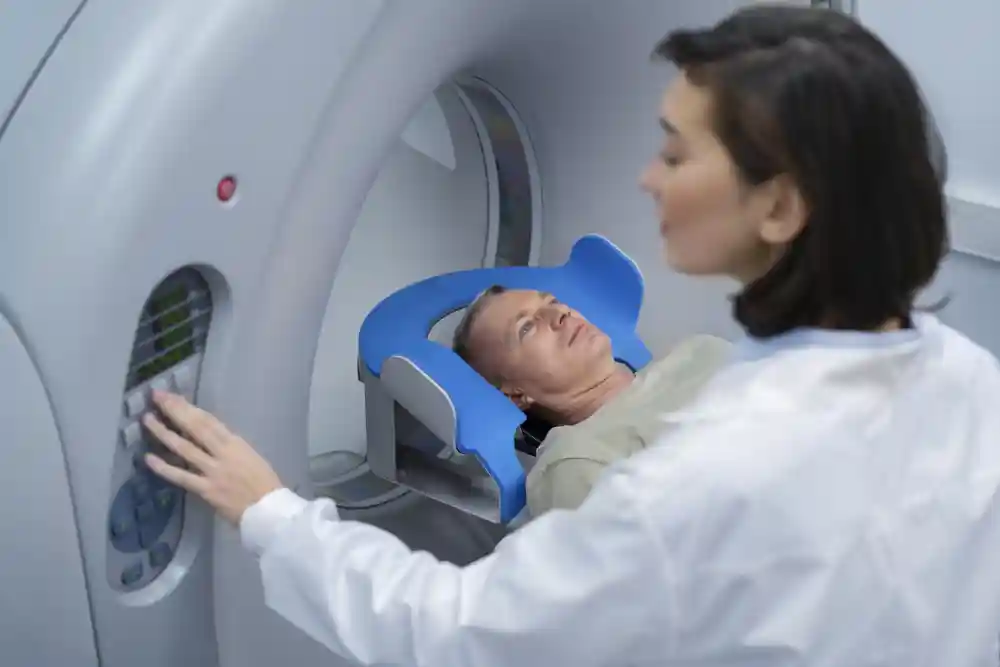
2. Chest CT Scan
A CT scan provides a more detailed image and is often recommended when:
- The rib fractures are suspected but not seen on X-ray
- There are multiple fractures or related injuries
- Associated organ injuries (e.g., lung damage) are a concern
3. Ultrasound
Ultrasound is increasingly used for point-of-care diagnosis, especially in emergency settings. It can detect rib fractures and associated complications, such as pleural effusion or pneumothorax, or internal organ damage.
4. MRI (Rare)
MRI is not routinely used for rib fractures but may help assess soft tissue injuries if needed.
Why Early and Accurate Diagnosis Matters
Proper diagnosis of rib fractures is important because:
- It ensures appropriate pain relief from the arrival in the emergency department or I trauma center.
- It helps detect and monitor potential complications like lung injury, pneumothorax (collapsed lung), or internal bleeding.
- It guides treatment decisions—whether conservative management or surgical intervention is required.
Treatment Options for Rib Fractures
Conservative Management
Conservative management refers to a non-surgical approach to treating rib fractures. This method is the standard of care for most rib fracture patients.
Key Principles of Conservative Management
1. Pain Control
Effective pain management is essential, as it helps patients breathe deeply and avoid complications like pneumonia. Common pain control methods include:
- Over-the-counter medications like ibuprofen or acetaminophen.
- Prescription medications for severe pain, such as opioids (short-term use only).
- Nerve blocks or epidurals in certain cases with severe or multiple rib fractures.
2. Breathing Exercises
Shallow breathing due to pain can increase the risk of lung infections. Patients are often taught deep breathing exercises or incentive spirometry to keep the lungs clear and expand fully.
3. Activity Modification
Rest is important, but complete immobility should be avoided. Gradual return to light activity is encouraged to prevent stiffness and promote healing. Avoiding lifting heavy objects, strenuous exercise, or activities that cause pain is key during recovery, short lifestyle modification is important.
4. Ice and Heat Therapy
Applying ice packs in the first few days can reduce swelling, while heat therapy may help with muscle tightness and pain as healing progresses.
Surgical stabilisation of rib fractures is typically reserved for severe or complex cases. Inclusion criteria include:
1. Flail Chest
Flail chest occurs when three or more adjacent ribs are broken in two or more places, causing a segment of the chest wall to move independently (paradoxical motion). This condition can lead to respiratory failure and often requires surgical stabilisation of the injured area.
2. Displaced or Severely Misaligned Fractures
If a rib fracture is displaced (bone fragments are misaligned), surgery may be necessary to reposition and stabilise the bones.
3. Persistent Pain or Non-Healing Fractures
Rib fractures that fail to heal (nonunion) or cause chronic pain despite conservative management may require surgical intervention.
4. Associated Injuries and Serious Complications
Surgery may be indicated when rib fractures are accompanied by:
- Lung puncture (pneumothorax)
- Hemothorax (blood in the chest cavity)
- Injury to blood vessels or other organs
Have a question about your diagnosis?
A consultation gives you a personalised plan — not a generic estimate.
Surgical Techniques for Rib Fractures
The most common surgical approach for rib fractures is open reduction and internal fixation (ORIF). Here’s how it works:
Open Reduction and Internal Fixation (ORIF)
- The surgeon makes a precise incision over the fractured ribs.
- The rib fragments are realigned (reduced) into their normal position.
- Titanium plates and screws are used to stabilise the bones, ensuring proper healing.
- The chest wall is closed, and care is taken to preserve surrounding tissues.
Benefits of Surgical Rib Fixation
Surgical treatment of rib fractures offers several advantages, including:
- Improved pain control
- Faster recovery and return to normal activities
- Reduced risk of complications such as pneumonia and lung collapse
- Better chest wall stability
- Improved respiratory function, especially in cases of flail chest
Studies have shown that surgical fixation can lead to shorter hospital stays, lower rates of mechanical ventilation, and better long-term outcomes compared to conservative treatment in severe cases. Side effects includes dislodgement of the plates. The surgery has a negligible mortality rate.
Recovery After Rib Fracture Surgery
Recovery time varies depending on the severity of the fractures and the surgical approach. Generally, patients can expect:
- Initial hospital stay of a few days to a week
- Return to light activities within 4–6 weeks
- Full recovery within 2–3 months, though some cases may take longer
Broken Ribs Recovery Time
If you are wondering how long do broken ribs take to heal overall, the recovery time varies depending on several factors, but here’s what you can typically expect:
Standard Recovery Timeline
- Simple rib fractures: 6-8 weeks for most uncomplicated cases
- Multiple rib fractures: 8-12 weeks or longer
- Severe or displaced fractures: May require surgical stabilisation and extended recovery
Recovery Phases
- Weeks 1-2 (Acute Phase): Most severe pain, limited mobility, focus on rest and pain management
- Weeks 3-4 (Subacute Phase): Gradual pain improvement, return to light activities like walking
- Weeks 5-8+ (Recovery Phase): Continued improvement, return to normal daily activities
Factors That May Extend Recovery
- Age (older adults heal more slowly)
- Multiple fractures
- Associated lung or organ injuries
- Pre-existing conditions like osteoporosis
- Smoking or poor circulation
Remember that while the acute pain typically resolves within weeks, complete bone healing can continue for several months.
"I was diagnosed in March with a rare condition. My local hospital said it was inoperable due to the size of the mass. Mr Scarci reassured me the thymoma was resectable. I was booked for surgery the following week where he successfully removed the entire tumour."
Long-Term Effects and Complications
1. Chronic Pain
One of the most frequent long-term issues after a rib fracture is persistent rib fracture pain, also known as chronic post-traumatic pain. This may result from:
- Nerve damage near the fracture site
- Scar tissue formation
- Ongoing inflammation in the chest wall.
2. Reduced Chest Wall Mobility
Some patients experience stiffness or restricted movement in the chest wall after healing. This can lead to:
- Difficulty taking deep breaths
- Decreased exercise tolerance
- A sensation of tightness or discomfort in the chest
3. Breathing Difficulties
In cases where multiple ribs were fractured or there was associated pulmonary complications, some patients may have long-term respiratory issues, such as:
- Trouble breathing during exertion
- Decreased lung capacity
- Increased risk of lung infections (e.g., pneumonia)
4. Rib Nonunion or Malunion
Rarely, rib fractures may fail to heal properly (nonunion) or heal in an abnormal position (malunion). This can cause ongoing pain, deformity, or instability in the chest wall.
5. Chest Wall Deformity
Severe or multiple rib fractures, especially if not surgically treated when needed, can result in permanent deformity in the chest area.
Not sure about your treatment options?
Mr Scarci provides expert consultations typically within one week of contact.
Complications to Watch For

Even after the initial healing phase, it’s important to monitor for complications such as:
- Persistent or worsening acute pain
- Shortness of breath
- Frequent respiratory infections (pneumonia) or risk of lung disease
- Unexplained weight loss or fatigue (could signal an underlying issue)
If you experience these symptoms, consult your healthcare provider for evaluation.
Other Associated Injuries
1. Lung Injuries
Pneumothorax (Collapsed Lung)
A pneumothorax occurs when air leaks into the space between the lung and the chest wall, causing the lung to collapse partially or completely. This can happen when a fractured rib punctures the lung tissue.
Hemothorax (Blood in the Chest Cavity)
A hemothorax occurs when blood collects in the pleural space, often from injured blood vessels or lung tissue caused by rib fractures.
Pulmonary Contusion (Lung Bruise)
A pulmonary contusion is bruising of the lung tissue due to blunt trauma. It can cause bleeding and swelling within the lung, leading to difficulty breathing and oxygen exchange.
2. Injuries to Blood Vessels
Fractured ribs, especially in the upper chest, can damage nearby major blood vessels, such as the aorta or intercostal arteries, leading to life-threatening internal bleeding.
3. Abdominal Organ Injuries
Lower rib fractures (ribs 9–12) are located near vital organs in the upper abdomen. Fractures in this area can damage:
- The spleen (left side)
- The liver (right side)
- The kidneys
These injuries may cause internal bleeding, organ dysfunction, and severe pain.
4. Chest Wall Injuries
Flail Chest
Flail chest occurs when multiple ribs are fractured in two or more places, creating a segment of the chest wall that moves independently from the rest of the chest. This can lead to:
- Severe breathing difficulties
- Impaired oxygen exchange
- Respiratory failure
Flail chest often requires surgical stabilisation and critical care/intensive care unit admission.
5. Spinal Injuries
High-energy trauma that causes rib fractures may also result in spinal fractures or spinal cord injuries, especially in the thoracic spine (upper back). This can lead to:
- Back pain
- Neurological deficits (numbness, weakness)
- In severe cases, paralysis
6. Diaphragmatic Injuries
Rib fractures near the lower ribs can occasionally cause diaphragmatic rupture, where the diaphragm tears and abdominal organs may herniate into the chest cavity. This is a rare but serious condition requiring surgery.
Risk Factors for Long-Term Complications
1. Number and Severity of the injury
A higher risk of complication is associated with the number of rib fractures. Patients with:
- Multiple rib fractures (three or more)
- Severe fractures (displaced or comminuted)
- Flail chest (multiple ribs broken in multiple places)
are more likely to experience chronic pain, chest wall instability, and respiratory problems.
2. Age and Bone Health
Older adults, especially those over 65, have an increased risk of long-term complications.
3. Pre-existing Health Conditions
Certain medical conditions can make recovery from rib fractures more challenging:
- Chronic lung disease (e.g., COPD, asthma) increases the risk of breathing problems.
- Osteoporosis raises the chance of additional fractures and delayed healing.
- Diabetes and poor circulation can slow bone repair.
- Smoking impairs bone healing and lung function.
4. Associated Injuries
Rib fractures that occur alongside other injuries—such as lung punctures (pneumothorax), organ damage, or spinal fractures—increase the risk of long-term complications. These complex cases may require surgery, longer recovery times and coordinated rib fracture management.
Want a specialist opinion on your condition?
Get a clear answer from a surgeon who will be with you throughout.
Typical Healing Time for Thoracic Injuries
For most uncomplicated rib fractures, the average healing time is:
6 to 8 weeks
This timeline assumes no major complications, such as displaced fractures or associated lung injuries.
Factors That Can Extend Healing Time:
- Multiple rib fractures: Healing may take 8 to 12 weeks or longer.
- Severe or displaced fractures: May require surgical stabilisation and a longer recovery period.
- Older adults or those with osteoporosis: Healing can be slower due to reduced bone density.
- Associated injuries: If the fracture is accompanied by lung, organ, or vascular injuries, recovery may take several months.
Stages of Rib Fracture Healing
Here’s a general overview of what to expect during the healing process and the time likely needed off work:
1. Acute Phase (First 1–2 Weeks)
- Pain is usually most severe during this period.
- Breathing may feel restricted, and activities like coughing, laughing, or sneezing can cause discomfort.
- Rest, pain management, and breathing exercises are essential during this stage.
2. Subacute Phase (Weeks 3–4)
- Pain starts to improve gradually.
- Most patients can resume light activities, such as walking and gentle movements, also physical therapy.
- Avoid heavy lifting, intense physical activity, or anything that puts strain on the chest wall.
3. Recovery Phase (Weeks 5–8 and beyond)
- Pain continues to improve, though some discomfort may persist with certain movements.
- Most patients return to normal daily activities by 6–8 weeks.
- Full bone healing can continue for several months, especially in complex cases.
Benefits of Thoracic Surgery Expertise
Advanced Treatment Options
Open surgery and keyhole techniques.
Improved Long-Term Outcomes
Immediate reduction of pain.
Have a question about your diagnosis?
A consultation gives you a personalised plan — not a generic estimate.
How Mr. Marco Scarci Can Help
Comprehensive Evaluation and all techniques available, 24/7 availability, North West London trauma centre surgeon.
