

What Are the Early Signs of Lung Cancer?
Early symptoms of lung cancer can be subtle and are often mistaken for less serious conditions such as a cold or bronchitis. However, timely recognition can lead to earlier diagnosis and better treatment outcomes.
Common early warning signs include:
- Swelling in the face, neck, or arms, which may suggest pressure on blood vessels
- Persistent cough lasting more than 2–3 weeks
- Shortness of breath during everyday activities
- Chest pain that worsens with deep breathing or coughing
- Unexplained weight loss or constant fatigue
- Hoarseness or a change in voice lasting more than two weeks
- Recurring respiratory infections like bronchitis or pneumonia
- Coughing up blood, even in small amounts
Key Lung Cancer Red Flags You Shouldn’t Ignore
Recognising lung cancer red flags early can be lifesaving. In medical terms, “red flags” are warning signs that something serious may be developing. While these symptoms don’t always mean cancer, their presence—especially in combination or if they persist—should prompt prompt medical evaluation.
Here are the most important red flags to watch for:
- Persistent cough — a cough that lasts more than three weeks or changes in character (becomes harsher, more frequent, or produces mucus)
- Coughing up blood (haemoptysis) — even small streaks of blood in the sputum warrant immediate medical attention
- Shortness of breath during mild activity or at rest, not explained by exertion, allergies, or infections
- Chest or shoulder pain that is dull, aching, or sharp, especially if it worsens with deep breathing, coughing, or laughing
- Recurrent chest infections such as pneumonia or bronchitis that don’t fully resolve or quickly return
- Unexplained weight loss or a loss of appetite (particularly losing more than 10 pounds unintentionally within a few months)
- Persistent tiredness or fatigue that doesn’t improve with rest or sleep
- Hoarseness or voice changes lasting more than two weeks, especially when not linked to infections or vocal strain
- Wheezing that persists without asthma or allergy as a known cause
- Difficulty swallowing (dysphagia), such as food sticking in the throat or pain when swallowing
- Swelling in the face, neck, or upper chest/arms, which can indicate pressure on the superior vena cava (a medical emergency)
- Finger clubbing — swelling of the fingertips with curved, soft nails, often linked to long-term lung issues like non-small cell lung cancer
- Paraneoplastic syndromes, where the immune system reacts to tumour-produced hormones or antibodies, sometimes causing neurological symptoms, hormonal imbalances, or skin changes
Why this matters: These symptoms may be subtle, unusual, or dismissed as minor issues—but together they form a red-flag pattern that can point to underlying lung cancer. Acting early improves survival rates, expands treatment options, and helps avoid more aggressive therapies.
If you experience any of these red flags for more than two to three weeks, or if they worsen over time, consult your doctor or ask for a referral to a lung cancer specialist for further assessment.
Why Recognising Symptoms Matters?
Recognising lung cancer symptoms early is crucial because it significantly increases the chances of successful lung cancer treatment and improves survival rates. Here’s why it’s so important:
Early Detection = Better Outcomes
- It is often diagnosed late because it may not cause noticeable symptoms until lung cancer spreads.
- Early-stage lung cancer (Stage I or II) can often be treated more effectively, sometimes even cured through surgery or localised therapies.
- Advanced lung cancer (Stage III or IV) is much harder to treat, as it may have already spread to other parts of the body.
Why People Delay Seeking Help:
- Many people think symptoms are due to smoking effects, a cold, or asthma.
- Others think symptoms are due to a known underlying lung disease
- Some may ignore symptoms out of fear, stigma, or lack of awareness.
- Unfortunately, waiting too long often leads to diagnosis at a late stage. I say it again: diagnosis at earlier stages saves lives.
"After multiple failed consultations elsewhere, Mr Scarci identified exactly what was wrong and operated within two weeks. Recovery was smooth and I'm back to normal life."
Lung Cancer Types
Why Knowing the Type Matters
It affects:
- Treatment options
- Prognosis (outlook)
- Response to therapy (like targeted therapy or immunotherapy)
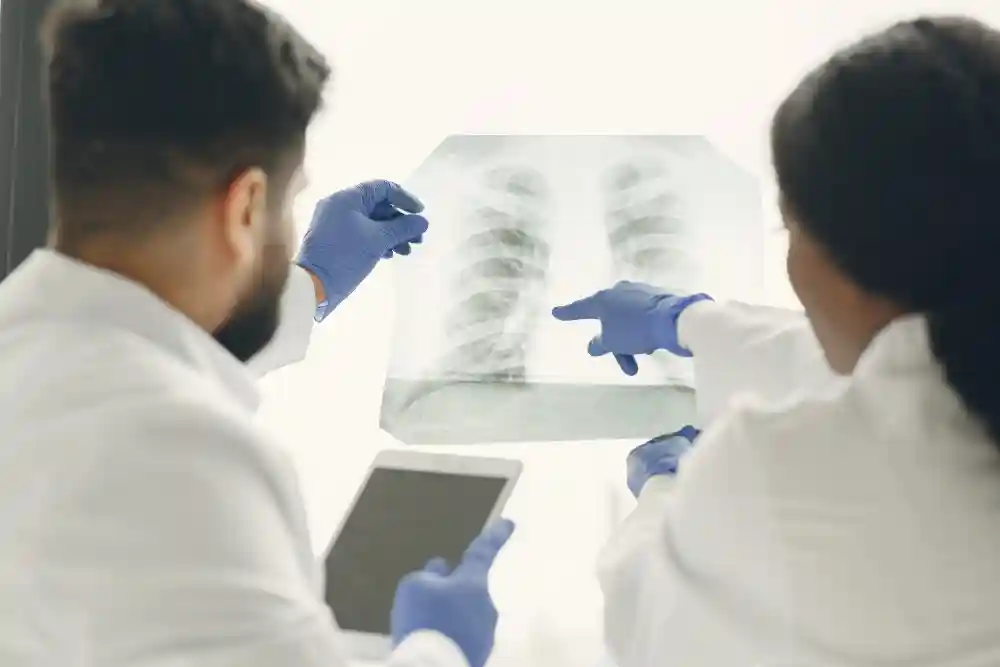
Lung cancer is mainly divided into two broad categories:
1. Non-Small Cell Lung Cancer (NSCLC)
Makes up about 85% of all lung cancer cases.
Grows slower than small cell cancer and has better treatment options at earlier stages.
Subtypes:
- Adenocarcinoma (most common type in non-smokers and women)
- Starts in cells that produce mucus.
- Often found in the outer parts of the lungs.
- Squamous Cell Carcinoma
- Starts in the cells lining the airways (bronchi).
- Linked to smoking.
- Large Cell Carcinoma
- Can appear in any part of the lung.
- Tends to grow and spread quickly.
2. Small Cell Lung Cancer (SCLC)
Makes up about 15% of cases.
Grows and spreads very quickly (more aggressive).
Often found in heavy smokers.
Subtypes:
- Small Cell Carcinoma (also called “Oat Cell Cancer”)
- Combined Small Cell Carcinoma (has both small cell and non-small cell features)
3. Other Rare Types:
- Carcinoid Tumors (slow-growing, neuroendocrine tumors)
- Mesothelioma (linked to asbestos exposure)
- Sarcomatoid Carcinoma (rare, aggressive)
Want a specialist opinion on your condition?
Get a clear answer from a surgeon who will be with you throughout.
Common Symptoms of Lung Cancer – What to Watch For
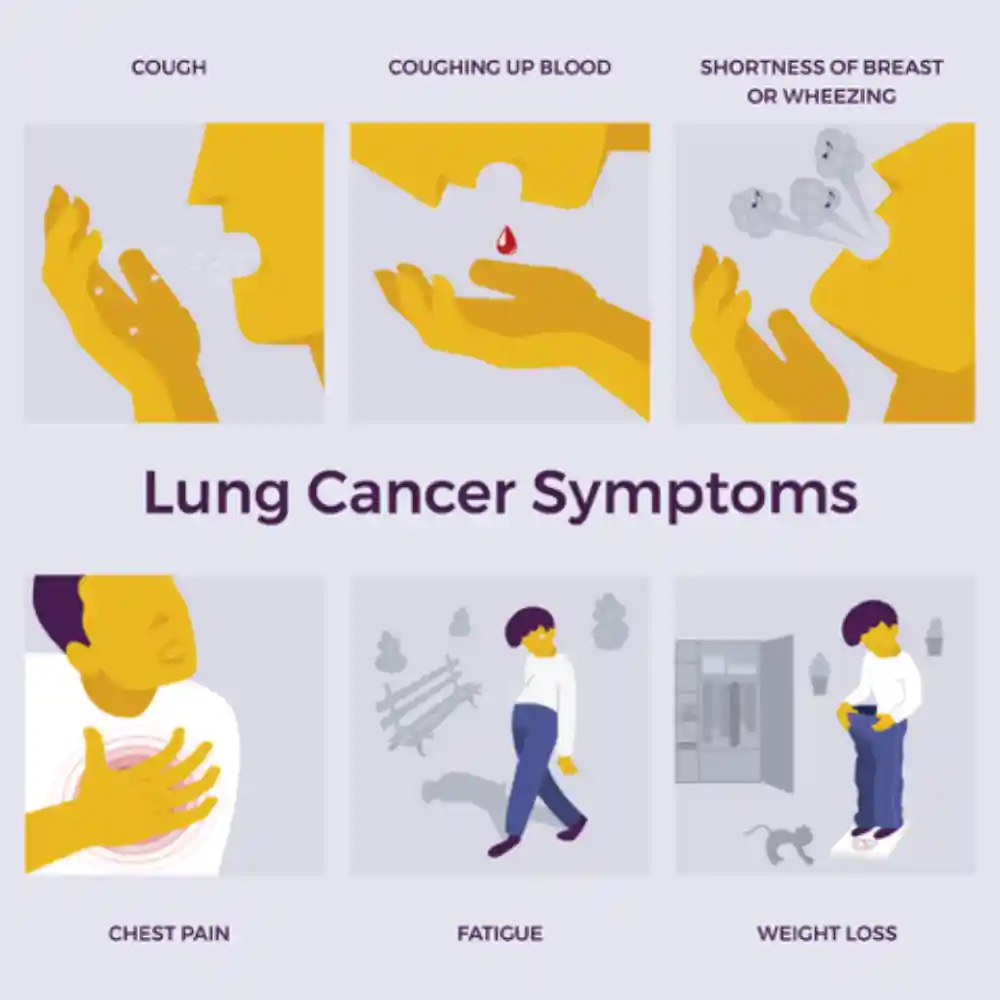
Common symptoms of lung cancer include:
- New cough and Persistent cough that worsens over time
- Coughing up blood, even in small amounts
- Shortness of breath or wheezing
- Chest pain that gets worse with deep breathing or coughing
- Unexplained weight loss and fatigue and loss of appetite
- Frequent chest infections such as pneumonia or bronchitis
- Hoarseness or changes in voice
If you experience any of these symptoms for more than three weeks, it’s important to see a healthcare provider for evaluation for a possible lung cancer diagnosis.
Early detection of lung cancer significantly improves treatment success. If you are at increased risk—especially if you smoke or have a family history of lung cancer—ask your doctor about lung cancer screening. This allows for to detect early stages of lung cancer where cure is more likely.
Less Common Symptoms
While many people are familiar with common lung cancer symptoms like a persistent cough or shortness of breath, there are also less common signs that can indicate lung cancer. Recognising these early may improve your chances of an early diagnosis and successful treatment.
Unusual Lung Cancer Symptoms to Watch For
- Shoulder pain or arm pain
Lung cancer can sometimes irritate nerves, leading to pain in the shoulder, arm, or chest wall. - Swelling in the face, neck, or upper chest
This may occur due to a blockage of major blood vessels, a condition called superior vena cava syndrome. - Hoarse voice or voice changes
If the cancer affects nerves controlling the voice box, it can lead to persistent hoarseness. - Difficulty swallowing (dysphagia)
Tumors pressing on the esophagus (food pipe) can cause trouble swallowing. - Clubbing of the fingers
This rare condition causes the tips of the fingers to become rounded or swollen. - Unexplained bone pain or back pain
Lung cancer that has spread to bones may cause pain in the back, hips, or ribs. - Headaches, dizziness, or seizures
These could occur if lung cancer spreads to the brain. - Pleural effusion: this is fluid around the lung, and it occurs when the cancer spreads to the lining of the chest wall.
Advanced Stage Lung Cancer Symptoms

- Headaches: These may occur if lung cancer spreads to the brain.
- Horner Syndrome: It is a rare condition that can sometimes be an early sign of lung cancer, especially Pancoast tumors (tumors located at the top of the lung). It occurs when there is damage to the sympathetic nerves that run from the brain to the face and eyes.
- Paraneoplastic Syndromes: Paraneoplastic syndromes are rare disorders that occur when a cancer, like lung cancer, produces substances (such as hormones or antibodies) that affect parts of the body outside the tumor. These syndromes can sometimes be the first sign of lung cancer, especially small cell lung cancer (SCLC) and non-small cell lung cancer (NSCLC).
Common Paraneoplastic Syndromes in Lung Cancer
1. Endocrine Syndromes (Hormone-Related)
- Syndrome of Inappropriate Antidiuretic Hormone (SIADH)
* Causes low sodium levels, leading to confusion, weakness, and seizures.
* Common in small cell lung cancer (SCLC). - Cushing’s Syndrome
* Excess cortisol production causes weight gain, high blood pressure, and muscle weakness.
* Also linked to SCLC. - Hypercalcemia (High Calcium Levels)
* Leads to nausea, vomiting, constipation, and confusion.
* Often seen in squamous cell carcinoma of the lung.
2. Neurological Syndromes (Nerve and Brain Related)
- Lambert-Eaton Myasthenic Syndrome (LEMS)
* Causes muscle weakness, especially in the legs.
* Common in SCLC. - Paraneoplastic Cerebellar Degeneration
* Leads to loss of coordination, balance issues, and dizziness.
3. Other Paraneoplastic Syndromes
- FingerClubbing (painless swelling of finger tips)
- Dermatomyositis (skin rash and muscle weakness)
- Peripheral neuropathy (numbness and tingling in the hands and feet).
Not sure about your treatment options?
Mr Scarci provides expert consultations typically within one week of contact.
Top Risk Factors for Lung Cancer
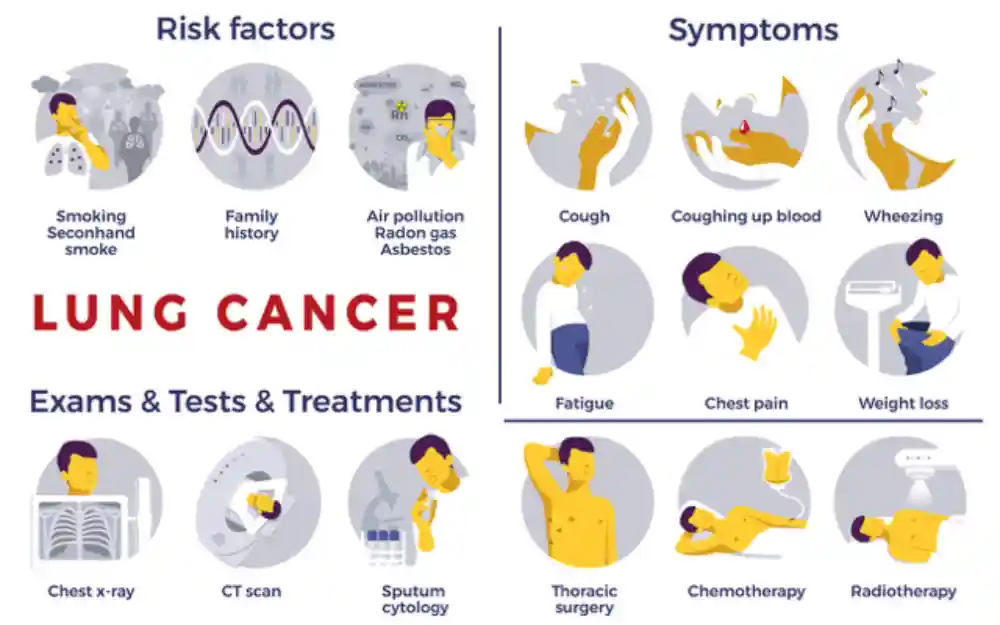
1. Smoking and tobacco products
- The #1 risk factor for lung cancer.
- Includes cigarettes, cigars, pipes, and secondhand smoke exposure.
- Accounts for about 80-90% of lung cancer cases.
2. Exposure to Secondhand Smoke
- Even if you don’t smoke, breathing in smoke from others can increase lung cancer risk.
3. Exposure to Radon Gas
- A natural radioactive gas that can build up indoors (especially in basements and poorly ventilated areas).
- The second leading cause of lung cancer in non-smokers.
4. Occupational Exposure to Carcinogens
- Long-term exposure to substances like:
- Asbestos
- Diesel exhaust
5. Air Pollution
- Long-term exposure to polluted air, especially in urban or industrial areas, can slightly increase risk.
6. Personal or Family History of Lung Cancer
- Having a parent, sibling, or child with lung cancer raises your risk.
7. Radiation Therapy to the Chest
- Prior treatment for other cancers (like breast cancer or lymphoma) with chest radiation increases risk.
8. Genetic Factors
- Certain gene mutations may make some people more susceptible, even if they have no history of smoking.
9. Diet and Lifestyle Factors
- Diets low in fruits and vegetables may increase lung cancer risk, especially for smokers.
"I was diagnosed in March with a rare condition. My local hospital said it was inoperable due to the size of the mass. Mr Scarci reassured me the thymoma was resectable. I was booked for surgery the following week where he successfully removed the entire tumour."
When to See a Doctor?

See a Doctor Immediately If You Have:
- A persistent cough lasting more than 3 weeks, especially if it worsens over time
- Coughing up blood (even a small amount)
- Chest pain that doesn’t go away or worsens with deep breaths or coughing
- Shortness of breath or wheezing that is new or worsening
- Unexplained weight loss without trying
- Persistent fatigue or weakness
- Hoarseness or changes in your voice lasting more than 3 weeks
- Frequent lung infections such as pneumonia or bronchitis that keep returning
- Swelling in the face, neck, or arms (which could indicate superior vena cava syndrome)
- Neurological symptoms like headaches, dizziness, or seizures (possible signs of cancer spread to the brain)
Especially Urgent If You Have Risk Factors:
- Current or former smoker
- Exposure to secondhand smoke, asbestos, radon, or other carcinogens
- Family history of lung cancer
- Age over 50 years
What to Expect at Your Doctor’s Visit
Your doctor will ask about your symptoms, risk factors, and medical history. They may recommend tests like:
- Chest X-ray or CT scan
- Sputum cytology (examining mucus for cancer cells)
- Bronchoscopy or biopsy
Early medical evaluation leads to earlier diagnosis, more treatment options, and better outcomes.
Have a question about your diagnosis?
A consultation gives you a personalised plan — not a generic estimate.
The Importance of Early Detection
Lung cancer symptoms often don’t appear until the disease has advanced, recognising signs early and getting timely medical care is vital.
Key Benefits of Early Lung Cancer Diagnosis
1. Improved Survival Rates
- Lung cancer caught in its early stages (Stage I or II) has a significantly higher survival rate compared to advanced stages.
- Early treatment can sometimes cure the cancer or control it effectively for many years.
2. More Treatment Options
- Early-stage lung cancer can often be treated with surgery, targeted therapy, or localised radiation.
- Advanced cancer usually requires more aggressive treatments with more side effects.
3. Better Quality of Life
- Early treatment can reduce symptoms and complications caused by cancer spreading.
- Patients experience less pain and fewer severe symptoms.
4. Lower Healthcare Costs
- Treating lung cancer early is generally less costly than managing advanced disease with complex treatments and hospitalisations.
5. Possibility of Screening for High-Risk Individuals
- People at high risk (heavy smokers or those with family history) can benefit from regular lung cancer screening (low-dose CT scans) that helps catch cancer early.
How Our Expert Services Can Help
We understand lung cancer, and its implications on your life and that of your loved ones. We study what causes lung cancer, we offer new treatments that stimulate the immune system as part of our comprehensive cancer care and holistic treatment plan, access to the latest clinical trials, and when we can no longer cure, we offer compassionate palliative care and access to support groups.
Frequently Asked Questions
Is there a screening for lung cancer?
Yes, a lung cancer screening test is known as a low-dose computed tomography (LDCT) scan. This non-invasive imaging test uses low-dose radiation to create detailed images of the lungs. The LDCT scan is recommended for individuals with a high risk of developing lung cancer, such as current or former smokers. It’s essential to speak with a doctor about whether an LDCT scan is appropriate for your situation. Sometimes a blood test can help to make the diagnosis as well.
Can lung cancer be cured?
The prognosis for lung cancer depends on several factors, such as cancer’s stage, the tumour’s size and location, and the patient’s overall health. Treatment options vary and are usually part of a multimodality approach guided by healthcare professionals.
What is the survival of lung cancer patients?
The prognosis for lung cancer depends on several factors, including the cancer stage, the type of lung cancer, and the patient’s overall health.
For non-small cell lung cancer, the overall 5-year survival rate is around 25%, but this varies depending on the stage at diagnosis. It is essential to remember that survival rates are general statistics and do not necessarily reflect an individual patient’s prognosis. Every person’s situation is unique, and many factors can influence their outcome. Patients in general health tend to live longer.
