

Finding the words “nodule in lungs” on an imaging report can trigger immediate worry. Perhaps you had a CT scan for an unrelated issue—a car accident, abdominal pain, or a routine heart check—and now you’re staring at terminology that sounds alarming.
Take a breath. This guide walks you through everything you need to know about pulmonary nodules: what they are, why most are harmless, how doctors evaluate them, and what happens next. By the end, you’ll have practical knowledge to navigate your appointments with confidence.
Quick answer: should I worry about a lung nodule?
The short answer: probably not, but follow-up matters.
A pulmonary nodule is a small spot on the lung that appears denser than the surrounding lung tissue. Pulmonary nodules are typically less than 3 cm in diameter; growths larger than this are called lung masses.
Most lung nodules—somewhere between 60% and 95% depending on your age and smoking history—turn out to be benign. When small (under 8 mm), the vast majority pose no threat whatsoever. A “nodule in the lung” appearing on a modern CT scan is an incredibly common finding, not a diagnosis of lung cancer.
Here’s what you need to know right away:
- Most are benign: Fewer than 5% of all nodules turn out to be cancer, especially when they’re small. Not all lung nodules require follow-up or intervention; decisions depend on size, appearance, and risk factors.
- Follow-up scans are standard practice: Doctors often recommend repeat imaging to confirm the nodule isn’t growing—this is careful medicine, not panic
- Certain features raise concern: Larger size (over 8 mm), irregular edges, rapid growth, and significant smoking history warrant closer attention
- Early detection works: If a nodule does turn out to be an early cancer, catching it through surveillance dramatically improves treatment outcomes
If you’ve just seen “nodule” on your report and your heart is racing, know that you’re in good company. Millions of people have nodules, and most never need anything beyond periodic monitoring. The general risk of a nodule being early lung cancer is small, especially for small nodules in people without risk factors.
Have a question about your diagnosis?
A consultation gives you a personalised plan — not a generic estimate.
What is a lung (pulmonary) nodule?
A lung nodule—also called a pulmonary nodule—is a small, round or oval area of denser tissue within the lung. These spots typically measure between 3 mm and 30 mm (0.3 to 3 cm) across. Anything larger than 3 cm is generally called a lung mass, which doctors manage differently.
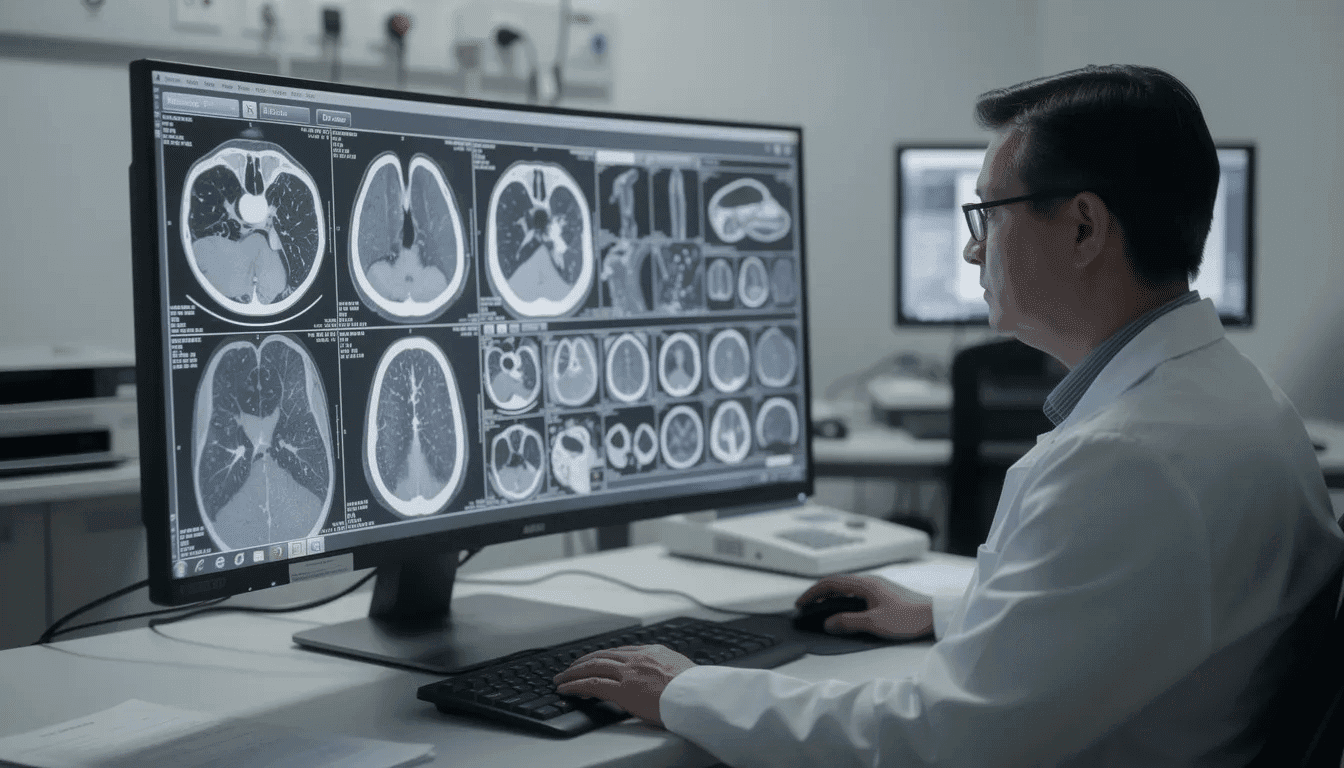
On imaging, your lungs appear as dark areas because they’re filled with air. A nodule shows up as a white or grey spot against this black background on a chest x ray or CT scan. Think of it as a small patch where the lung tissue is more compact than the surrounding air-filled areas.
A few clarifications that help:
- “Lung nodule” and “pulmonary nodule” mean the same thing—radiology reports may use either term
- Nodules can be solitary (a single nodule) or you may have multiple nodules
- They come in different types: solid nodules, part-solid, or “ground-glass” (appearing hazy rather than completely white)
- The appearance on imaging often gives clues about what’s causing the nodule
Your imaging report might describe the nodule’s location (which lobe of the lung), its size in millimeters, and characteristics like whether it’s calcified or has smooth versus irregular edges.
"I had rib pain for 6 years, was bounced around NHS without diagnosis. I was recommended to Mr Scarci — at consultation within minutes he knew what the problem was. Was offered surgery date the next week. 2 weeks post surgery I am almost back to full health."
How common are nodules in lungs?
Nodules in lungs are extraordinarily common in the CT era. This is something many patients don’t realize until they become part of the statistics.
Lung nodules are found in up to 50% of adults who undergo a chest CT scan.
Studies show that up to 20-35% of adults having a chest CT will have at least one lung nodule detected. Some population estimates suggest anywhere from 2% to 24% of the general population has nodules. The wide range reflects differences in age, smoking history, and regional factors like endemic fungal infections. Clinical guidelines and detection statistics are informed by large datasets derived from people’s scans, which help determine how often nodules are found and guide follow-up procedures.
Lung biopsy detection rates break down roughly like this: lung biopsy procedure.
Population | Nodule Detection Rate |
|---|---|
Current or former smokers | Higher (up to 50% in some screening studies) |
Adults over 50 | Higher than younger adults |
Never-smokers under 40 | Lower, but still significant |
People in areas with endemic fungal infections | Higher |
Having multiple nodules doesn’t automatically mean something more serious than having a single nodule. Many people’s scans reveal several small spots, often from old infections that left behind scar tissue.
It’s also worth noting that many nodules are incidental findings—discovered during imaging scans performed for completely unrelated reasons. A CT of your abdomen might catch nodules in the lower portions of your lungs. A heart CT might reveal spots in the surrounding lung tissue. These “surprise” findings are increasingly common as imaging technology improves.
Not sure about your treatment options?
Mr Scarci provides expert consultations typically within one week of contact.
What are the symptoms of lung nodules?
Here’s something that surprises many patients: most small nodules cause no symptoms whatsoever. They’re found incidentally on imaging tests ordered for other reasons.
When symptoms do occur, they’re usually related to the underlying condition causing the nodule rather than the small spot itself:
- Persistent cough that doesn’t resolve
- Coughing blood (hemoptysis)
- Unexplained weight loss
- Chest pain or discomfort
- Shortness of breath
- Recurrent lung infections
The absence of symptoms is completely normal and doesn’t change the need for appropriate follow up imaging. Small nodules simply don’t press on anything or disrupt normal lung function.
However, if you develop new or worsening symptoms while under nodule surveillance, don’t wait for your next scheduled scan. Contact your healthcare provider for earlier review. New symptoms might indicate changes that warrant prompt attention.
What causes nodules in the lungs?
The reassuring reality: most nodules are non-cancerous, caused by previous infection, inflammation, or scarring in the lung tissue.
Infection-related causes
Many nodules are simply scars from infections your body already fought off:
- Healed tuberculosis
- Old pneumonia that left behind scar tissue
- Fungal infections like histoplasmosis (common in certain regions of the US)
- Other fungal infections including coccidioidomycosis and aspergillosis
Even a lung infection you don’t remember having can leave a visible mark on imaging years later.
Inflammatory and autoimmune conditions
Certain inflammatory conditions can produce nodules:
- Rheumatoid arthritis (can cause lung manifestations)
- Sarcoidosis (causes granulomas in various organs including lungs)
- Granulomatosis with polyangiitis
- Other systemic inflammatory diseases
Benign growths
Some nodules represent non-cancerous tumors:
- Hamartomas (small collections of normal cells growing in an unusual location)
- Fibromas
- Arteriovenous malformations (tangles of blood vessels)
- Congenital cysts
Malignant causes
Cancerous lung nodules do occur, though they represent a minority:
- Primary lung cancer
- Metastatic cancer that has spread from elsewhere (bowel, breast, kidney)
- Lymphomas
- Sarcomas
- Rare carcinoid tumors
When the cause remains unknown
In many cases, a precise cause is never proven. If a nodule stays small and stable over time, there’s often no need for a biopsy to determine exactly what caused it. The stability itself provides the important clinical answer: it’s behaving benignly.
Environmental factors matter too. Smoking, occupational dust exposure, air pollution, and prior chest radiation can all increase the likelihood that a nodule is cancerous rather than benign. Your doctor considers these exposures when assessing your individual risk.
Want a specialist opinion on your condition?
Get a clear answer from a surgeon who will be with you throughout.
What makes a lung nodule more likely to be cancer?
Your healthcare team estimates what’s called “risk of malignancy” by combining nodule features with your personal risk factors. This risk stratification process determines your follow up plan.
Nodule-related features that increase concern
- Size over 8 mm: Larger nodules carry higher cancer risk
- Irregular or spiculated edges: Strands extending from the nodule’s border are more worrying than smooth edges
- Part-solid or solid density: These patterns can indicate certain cancer types
- Upper lobe location: Cancers occur more frequently in upper lobes
- Growth over time: Any increase in size on repeated scans raises the index of suspicion
- Lack of calcification: Calcified nodules are more likely to be benign nodules from old infections
Patient-related risk factors
- Age over 50-60 years
- Current or former smoking (especially with significant pack-year history)
- Personal history of cancer
- Family history of lung cancer
- Occupational exposures: asbestos, silica, radon
- Secondhand smoke exposure (20-30% higher risk of developing lung cancer)
National guidelines often categorize nodules into low, intermediate, or high risk categories. This classification determines whether you receive:
- CT follow up at intervals
- PET-CT for metabolic assessment
- Biopsy for tissue diagnosis
Even in higher risk groups, many suspicious-appearing nodules turn out to be benign once fully investigated. The goal of risk stratification is to identify which nodules need closer attention—not to predict with certainty which are cancerous.
"I was diagnosed in March with a rare condition. My local hospital said it was inoperable due to the size of the mass. Mr Scarci reassured me the thymoma was resectable. I was booked for surgery the following week where he successfully removed the entire tumour."
How are nodules in lungs found?
Most nodules are discovered by chance during imaging rather than because of symptoms.
Principal routes of discovery:
Discovery Method | Context |
|---|---|
Chest X ray | Done for cough, chest pain, pre-operative clearance |
Chest CT scan | Investigating respiratory symptoms or as part of workup |
CT of adjacent areas | Heart CT, abdominal CT, spine imaging catching lower lung |
Lung cancer screening | Low-dose CT for eligible high-risk patients |
CT scans detect many more small nodules than standard chest x rays because of their higher resolution. A nodule that’s invisible on x ray or ct scan of standard quality may be clearly visible on thin-slice CT imaging.
When a nodule is mentioned in an imaging report from a non-chest scan—say, a cardiac CT or abdominal imaging—the finding is typically flagged for your clinician to arrange appropriate follow up. This explains why you might receive news about a lung finding after imaging done for something completely unrelated.
If your imaging report mentions “pulmonary nodule” or “indeterminate nodule” and you haven’t received a clear explanation, ask your doctor for a plain-language summary. You deserve to understand what was found.
Have a question about your diagnosis?
A consultation gives you a personalised plan — not a generic estimate.
How are lung nodules evaluated and diagnosed?
The good news: most nodules are first watched with follow-up imaging. Only a minority need invasive tests. Not all nodules require follow up; guidelines and clinical criteria help determine which nodules need further monitoring based on their size, appearance, and patient risk factors.
Doctors use active surveillance with repeat scans over 2–5 years to monitor benign nodules for growth.
Initial assessment
When a nodule is first detected:
- The radiologist reviews the scan, measuring size and describing appearance
- Your doctor checks for older imaging scans to compare (sometimes nodules have been stable for years without anyone noticing)
- Your medical history is reviewed: smoking, exposures, past infections, cancer history
- Risk calculators and national guidelines help determine follow up intervals
Follow-up schedule
For small, low-risk nodules, a typical surveillance plan might look like:
- First scan at initial detection
- Repeat CT at 3-6 months
- If stable, another scan at 12 months
- If still stable, possibly a final scan at 24 months
- Discharge from nodule surveillance if unchanged
Several scans may be needed over time to monitor for any changes in the size or appearance of the nodule.
The American Thoracic Society and other organizations publish guidelines that help standardize these decisions, though your multidisciplinary team tailors the approach to your situation.
What stability means
A solid nodule that remains the same size over about 2 years is very unlikely to be an active cancer. At that point, most people need no more scans.
Part-solid and ground-glass nodules may require longer follow up because certain slow-growing cancers can appear this way. Most pulmonary nodules of the non solid type that are followed for several years prove to be either benign or highly treatable early cancers.
The diagnostic pathway is individualized—it’s not just about size, but about you as a complete patient.
Further tests for suspicious lung nodules
When nodules are larger, growing, or have higher-risk features, more detailed tests become necessary. Not everyone needs each of these—decisions depend on your individual risk profile and nodule characteristics.
CT scans (diagnostic and follow-up)
Thin-slice chest CT provides the most detailed picture of your nodule’s size, shape, density, and exact location. There’s a difference between:
- Initial diagnostic CT: Detailed images to characterize what’s there
- Follow-up CT: Comparing to previous imaging to detect any changes
Modern CT uses dose-reduction techniques to minimize radiation exposure while maintaining image quality. The small radiation dose is justified when monitoring nodules because the information gained outweighs the minimal risk.
Radiologists measure nodule diameter or volume and compare these measurements over time. Even tiny increases can be detected with careful technique. You typically won’t need special preparation beyond removing metal objects, unless contrast dye is being used for enhanced imaging.
PET-CT scans
A pet scan combined with CT—called positron emission tomography—uses a small amount of radioactive sugar (usually FDG) to assess how metabolically active a nodule is.
How it works:
- Cancer cells tend to consume more glucose than normal tissue
- The radioactive sugar accumulates in highly active areas
- These “hot spots” light up on the scan
Important caveats:
- Infection and inflammation can also cause high uptake (false positives)
- Very small nodules (under 8-10 mm) may not give reliable PET results
- A normal PET doesn’t completely exclude cancer in tiny nodules
What to expect on scan day:
- Fasting for several hours beforehand
- Injection of the radioactive sugar tracer
- Waiting period (usually about an hour) while the tracer distributes
- The scan itself takes 20-30 minutes
PET-CT can also check for abnormal activity elsewhere in the body, which helps with staging if malignancy is suspected.
Biopsies of lung nodules
A biopsy means taking a small tissue sample from the nodule to examine under a microscope. This provides definitive answers about what the nodule actually is.
Key points about biopsies:
- Not all nodules need a biopsy—it’s reserved for moderate to high-risk nodules where results will change management
- Results distinguish benign vs malignant causes
- If cancer is confirmed, biopsy determines the exact type (adenocarcinoma, squamous cell carcinoma, etc.)
- Several biopsy approaches exist depending on nodule location and patient fitness
Before any biopsy, you should be informed about benefits, risks (bleeding, pneumothorax), and alternatives. Because a biopsy can cause complications, it’s only performed when the risk of cancer is high enough to justify the procedural risks.
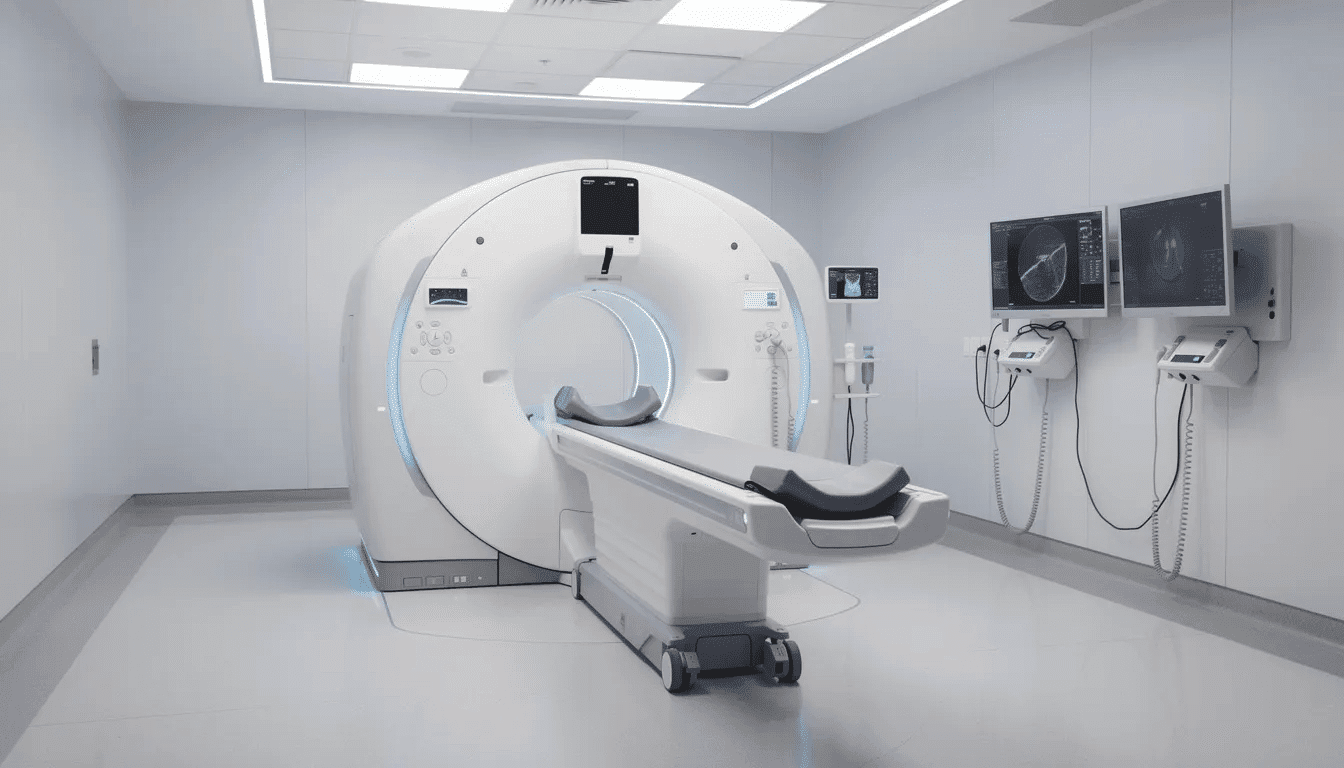
CT-guided needle biopsy
This approach uses CT images to guide a fine needle through the chest wall directly into the nodule.
The procedure:
- Usually done as a day-case procedure
- Local anesthetic numbs the skin and chest wall
- You lie on the CT table while the radiologist guides the needle
- Small tissue samples or cells are removed
- The whole process typically takes 30-60 minutes
Risks to understand:
- Small risk of air leak (pneumothorax)—some patients need brief observation or rarely a chest drain
- Minor bleeding is possible
- Sometimes the sample is non-diagnostic, requiring further tests
This approach works best for nodules near the outer portion of the lung rather than those deep near central airways.
Bronchoscopy-based biopsies
Bronchoscopy uses a thin, flexible camera passed through the mouth or nose into the airways. You’ll receive sedation or light anesthetic for comfort.
Advanced techniques include:
- Endobronchial ultrasound (EBUS) to visualize and sample nodules and nearby lymph node tissue
- Virtual bronchoscopic navigation for reaching peripheral nodules
- Electromagnetic navigation bronchoscopy
This is typically an outpatient procedure—you go home the same day after monitoring.
Possible side effects:
Learn more about pleural biopsy and pleurodesis:
- Sore throat and hoarseness
- Cough
- Small risk of bleeding or infection
Bronchoscopy is particularly useful for nodules near central airways or for staging lymph nodes when cancer is suspected.
Surgical removal (for diagnosis and treatment)
If biopsy isn’t feasible or results remain unclear, your doctor may recommend surgery to remove the whole nodule or lung segment.
Surgical approaches:
- Video-assisted thoracoscopic surgery (VATS)—minimally invasive with small incisions
- Robotic-assisted surgery
- Open thoracotomy (less common now)
The advantage of surgery: if a lung nodule shows cancer, removing it completely at an early stage often serves as both diagnosis and cure. Many early lung cancers are cured with surgery alone.
You’ll meet a thoracic surgeon to discuss:
- Specific risks and benefits for your situation
- Expected hospital stay (often 1-3 days for minimally invasive approaches)
- Recovery time and activity restrictions
If cancer is confirmed, follow up in a chest clinic for several years is standard to monitor for recurrence or new nodules.
Not sure about your treatment options?
Mr Scarci provides expert consultations typically within one week of contact.
How are lung nodules treated?
Treatment depends entirely on what the nodule is—many require no treatment at all. Only certain nodules in lungs require treatment, depending on their size, cause, and whether they are causing symptoms or growing.
No treatment / active monitoring
For small, stable, clearly benign-appearing nodules: it is important to keep your lungs healthy and focus on preventive measures.
- Regular imaging scans at recommended intervals
- No medications or procedures
- Eventually discharge from surveillance if lung nodules stay unchanged
This is the path for most people with incidentally discovered nodules.
Medication-based treatment
When an underlying cause is identified:
- Antibiotics for bacterial infections
- Antifungal medications for active fungal infections
- Steroids or immunosuppressants for certain inflammatory conditions
- Treatment of underlying lung diseases like COPD or other conditions
Surgical removal
Surgery may be recommended when:
- The nodule represents early cancer
- It’s causing symptoms
- It remains suspicious despite other tests and uncertainty isn’t acceptable
Cancer-directed therapies
If a nodule represents lung cancer or metastasis from another cancer, treatment options may include:
- Surgical resection (often curative for early-stage disease)
- Radiation therapy (sometimes as an alternative to surgery)
- Chemotherapy
- Immunotherapy
- Targeted therapy based on specific genetic mutations
Example pathways:
Scenario | Typical Path |
|---|---|
5mm nodule, never-smoker, age 35 | CT at 12 months, likely discharge if stable |
12mm spiculated nodule, 40-pack-year smoker | PET-CT → likely biopsy → possible surgery |
8mm ground-glass nodule | Serial CT surveillance over 3-5 years |
Decisions weigh nodule risk against your age, general health, lung function, and personal preferences. A multidisciplinary team—including pulmonologists, radiologists, thoracic surgeons, and oncologists—is usually involved in planning the safest, most effective approach.
Can a lung nodule turn into cancer over time?
This is a common concern, so let’s be clear: benign nodules do not transform into cancer.
What does happen is that some early, slow-growing cancers initially appear as small, indeterminate nodules. They were cancerous from the start—we just couldn’t tell from their initial appearance.
The purpose of follow-up scans is to:
- Detect any growth or change suggesting malignancy
- Catch early cancers while they’re still highly treatable
- Provide reassurance when nodules remain stable
What stability tells us:
- Solid nodules stable over 2 years are extremely unlikely to be aggressive cancers
- Ground-glass nodules may need longer surveillance because slow-growing cancers can look this way
- Most pulmonary nodules turn out to be benign when followed appropriately
Slow-growing, ground-glass nodules can represent early, highly treatable forms of lung cancer if detected and managed according to guidelines. This is why surveillance exists—to catch the rare concerning nodule before it becomes a problem.
Keep all scheduled imaging appointments even when you feel well. Changes are usually visible on scans long before symptoms develop.
Want a specialist opinion on your condition?
Get a clear answer from a surgeon who will be with you throughout.
What can I expect after a lung nodule is found?
The typical journey looks something like this:
- Discovery: Nodule appears on imaging (expected or incidental)
- Communication: Your clinician explains the finding
- Risk assessment: Your history and nodule features are reviewed
- Plan: Follow-up scans or further tests scheduled
Your first follow-up appointment
At this visit, expect:
- Review of your images (sometimes with the radiologist’s formal report)
- Discussion of your risk category
- Opportunity to ask questions
- Agreement on a surveillance plan or next steps
The surveillance period
Many people will have one or more repeat CT scans over 1-2 years. The schedule depends on your nodule’s size and your risk factors. If nodules remain stable or even disappear, you may be discharged from monitoring.
Some nodules shrink or vanish entirely—particularly those from recent infections or temporary inflammation. This is actually common and reassuring when it happens.
Keeping track
- Keep copies of your imaging reports in personal records
- Note appointment dates and results
- Inform any new doctors about known nodules
- Bring your first scan records to new providers for comparison
Complications and risks related to lung nodules
Most nodules cause no direct problems. However, complications can occur in certain situations.
Nodule-related complications
- Airway obstruction: If a nodule grows near or within a bronchus
- Recurrent infections: Behind a blocked airway
- Bleeding into the lung: Rare, usually from larger lesions
- Spread to other organs: If malignant and undetected
Procedure-related complications
Complications more often relate to invasive tests or treatments than to small nodules themselves:
- Pneumothorax after needle biopsy: Air leak requiring observation or treatment
- Bleeding after biopsy: Usually minor
- Surgical recovery: Pain, activity restrictions, hospitalization
These risks are weighed carefully against the risk of missing or delaying a cancer diagnosis. For a low-risk nodule, watchful waiting avoids procedural risks. For a high-risk nodule, investigation is worth the small procedural risks.
Serious complications are uncommon. Clinical teams take steps to minimize them and manage them promptly if they occur.
Can lung nodules be prevented?
Not all nodules can be prevented—past infections and unavoidable exposures have already happened. But you can reduce your risk of developing cancerous lung nodules.
Modifiable risk factors
- Stop smoking (or never start)—this is the single most important step
- Reduce secondhand smoke exposure
- Use proper workplace protection if exposed to asbestos, silica, or diesel exhaust
- Test your home for radon and follow mitigation advice if levels are high (radon is the leading cause of lung cancer in nonsmokers)
General lung health
- Keep up with recommended vaccinations (flu, pneumonia, COVID-19)
- Exercise regularly within your ability
- Maintain a healthy weight
- Follow treatment plans for chronic lung diseases like COPD or asthma
Even with perfect lifestyle choices, some nodules will still occur. This is why appropriate lung cancer screening for eligible individuals—and prompt evaluation of any detected nodules—remains important.

When should I contact my healthcare provider?
Don’t hesitate to seek clarification or an earlier review if you’re worried.
Contact your doctor or specialist nurses if:
- You received results mentioning a “nodule in lungs” but haven’t yet had an explanation of what it means
- You’re waiting for follow-up and develop new or worsening symptoms:
- Persistent cough
- Coughing blood
- Chest pain
- Breathlessness
- Unexplained weight loss
- You missed or cannot attend a scheduled scan and need to rearrange quickly
- You have questions after reviewing results that weren’t addressed at your appointment
Practical tips:
- Bring a list of questions to appointments
- Consider bringing a family member or friend for support
- Use secure patient portals or phone contact for non-urgent questions between visits
- Don’t wait until your next scheduled appointment if something feels wrong
Early communication prevents delays in investigation or treatment.
Questions to ask your doctor about a lung nodule
Use this as a practical checklist for your next appointment.
About your nodule
- What size is my nodule and where in the lung is it?
- Has it changed compared to any previous imaging?
- Based on my health history, how likely is it to be cancerous?
- What guidelines are you using to decide my follow-up plan?
- Do I need more tests now (like PET-CT or blood tests), or just repeat CT later?
- What symptoms should make me contact you sooner than planned?
About treatment options
- If it turns out to be cancer, what stage might it be?
- What treatment options would be available?
- What are the risks and benefits of surgery versus continued monitoring in my case?
- Would I need additional tests like biopsy before deciding on treatment?
About practical matters
- When will I get results from my next scan?
- How will results be communicated—phone, letter, portal?
- Who should I contact if I have questions or concerns before my next appointment?
- Can I have a plain-English summary of the technical terms in my imaging report?
It’s completely reasonable to ask for clarification on anything you don’t understand. Your care team expects questions—this is your health, and you deserve to understand it.
Emotional support and living with a lung nodule
Let’s acknowledge something important: waiting for scan results or surveillance over months or years can cause anxiety, even when your risk is low.
Common reactions
- Worry about cancer between scans
- Stress before and during imaging appointments
- Uncertainty about the future
- Frustration with “wait and see” approaches
These feelings are normal. Many patients experience what’s sometimes called “scanxiety”—the emotional difficulty of living with surveillance.
Sources of support
- Primary care team: Often your first point of contact for concerns
- Respiratory or cancer nurse specialists: Expert guidance and reassurance
- Lung disease and cancer support charities: Local and national organizations
- Psychological services: Available through many healthcare systems for anxiety or distress
- Cleveland Clinic and other major medical centers: Often have patient education resources
Practical coping strategies
- Keep a diary of questions to ask at appointments
- Use reputable information sources (avoid doom-scrolling medical forums)
- Limit excessive internet searching of worst-case scenarios
- Talk to trusted friends or family about your feelings
- Consider mindfulness or relaxation techniques
Clinical studies and information
Some patients find it helpful to learn more about nodule management through clinical studies and national guidelines. Organizations like the American Thoracic Society publish evidence-based recommendations. Understanding the rationale behind surveillance can reduce uncertainty.
A final reassuring message
Most people with nodules will never develop lung cancer. The surveillance process—even when it feels stressful—is designed to keep you safe and informed. Your healthcare team’s careful attention means that if anything concerning develops, it will be caught early when outcomes are best.
You’re not alone in this experience, and careful follow up is on your side.
