

Smoking cigarettes is a well-established risk factor for a collapsed lung, also known as a pneumothorax. Vaping has also been linked to cases of pneumothorax, although the evidence is newer and less conclusive. Both smoking and vaping may contribute to lung damage, potentially increasing the risk of complications.
This guide explores how smoking and vaping may affect lung health, the warning signs and symptoms of a collapsed lung, and the available treatment options.
Cigarette smoking and vaping can increase the risk of a collapsed lung, medically called pneumothorax. It happens when air enters the pleural space between the lung and chest wall, stopping the lung from fully expanding.
Vaping-associated spontaneous pneumothorax has been reported in young adults, particularly tall, slim young men and people using nicotine, cannabis or THC vaping products.
Cigarette smoking is the more firmly established risk factor. Male smokers have an estimated 22-fold higher risk of primary spontaneous pneumothorax than non-smokers.
The risk rises with the number of cigarettes smoked and duration of smoking. Quitting smoking and stopping vaping can reduce further lung injury.
Understanding a Collapsed Lung (Pneumothorax)
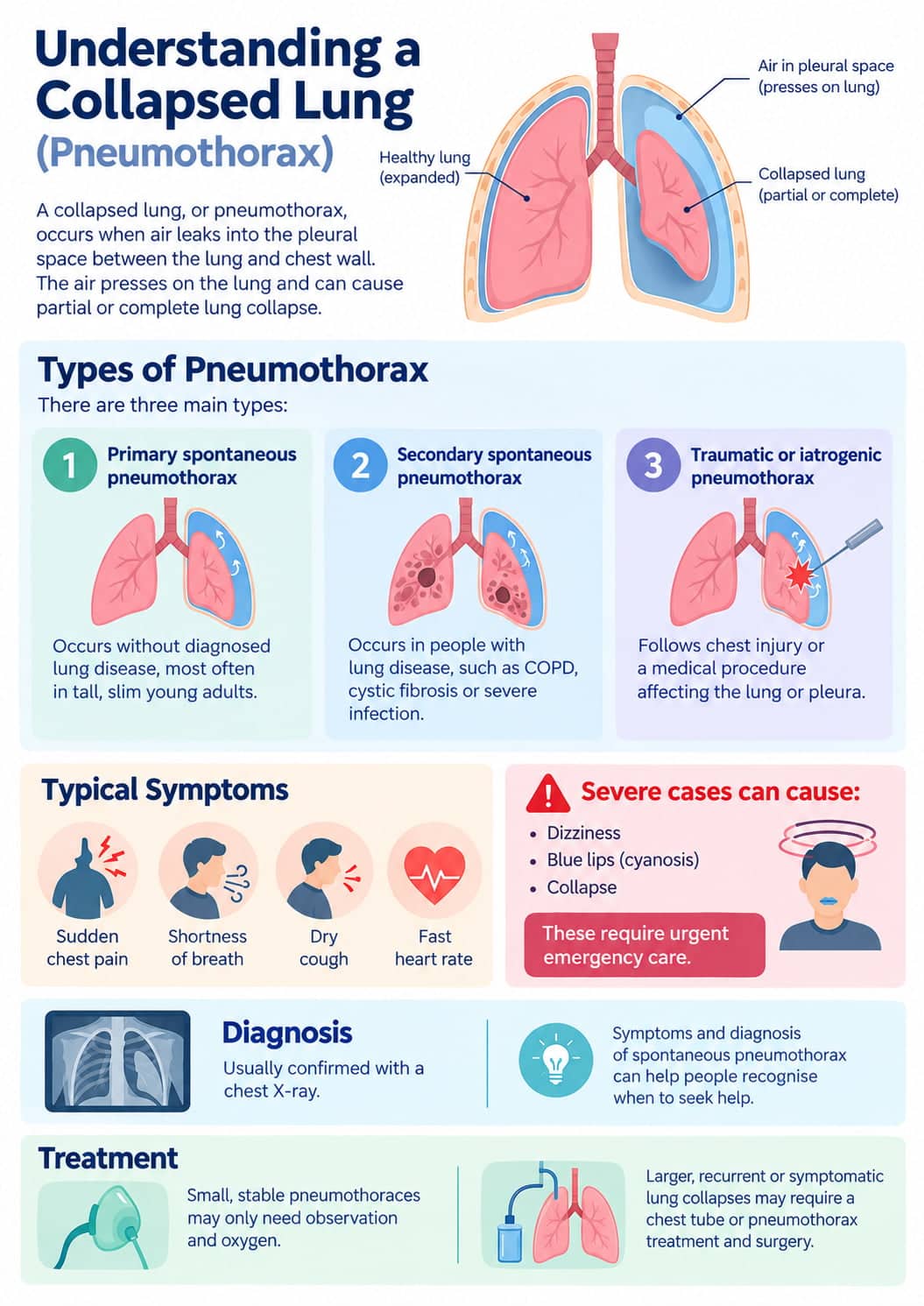
A collapsed lung, or pneumothorax, occurs when air leaks into the pleural space between the lung and chest wall. The air presses on the lung and can cause partial or complete lung collapse.
There are three main types:
Primary spontaneous pneumothorax
Occurs without diagnosed lung disease, most often in tall, slim young adults.
Secondary spontaneous pneumothorax
Occurs in people with lung disease, such as COPD, cystic fibrosis or severe infection.
Traumatic or iatrogenic pneumothorax
Follows chest injury or a medical procedure affecting the lung or pleura.
Typical symptoms include sudden chest pain, shortness of breath, dry cough and a fast heart rate. Severe cases can cause dizziness, blue lips or collapse and require urgent emergency care. Diagnosis is usually confirmed with a chest X-ray. Understanding the symptoms of spontaneous pneumothorax can help people recognise when to seek urgent medical attention.
Small, stable pneumothoraces may only need observation and oxygen. Larger, recurrent or symptomatic lung collapses may require a chest tube or pneumothorax treatment and surgery.
Not sure about your treatment options?
Mr Scarci provides expert consultations typically within one week of contact.
How Smoking Cigarettes Damages the Lungs
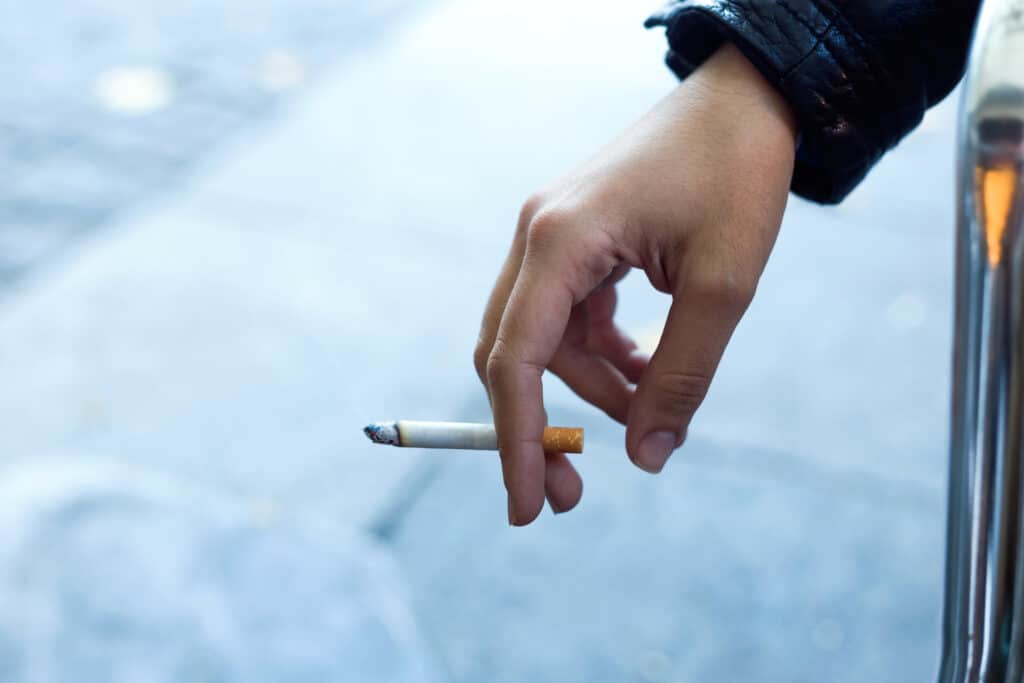
Cigarette smoking is a leading preventable cause of lung disease. It is strongly linked to lung cancer, COPD, emphysema and spontaneous pneumothorax.
Smoking harms lung tissue through several mechanisms:
Chronic airway inflammation
Burning tobacco releases chemicals that irritate the airways and alveoli.
Emphysema
Damage to air sacs creates larger, weaker spaces that trap air.
Bleb and bulla formation
Fragile air-filled blisters can form near the lung surface and may rupture.
Reduced repair
Smoke damages blood vessels and connective tissue, making recovery from injury harder.
The risk of pneumothorax increases with both the number of cigarettes smoked and the duration of smoking. Even light or social smoking may increase risk in people with an underlying susceptibility. Research has found early inflammatory changes and bleb formation in young smokers.
Can Vaping Really Cause a Collapsed Lung?
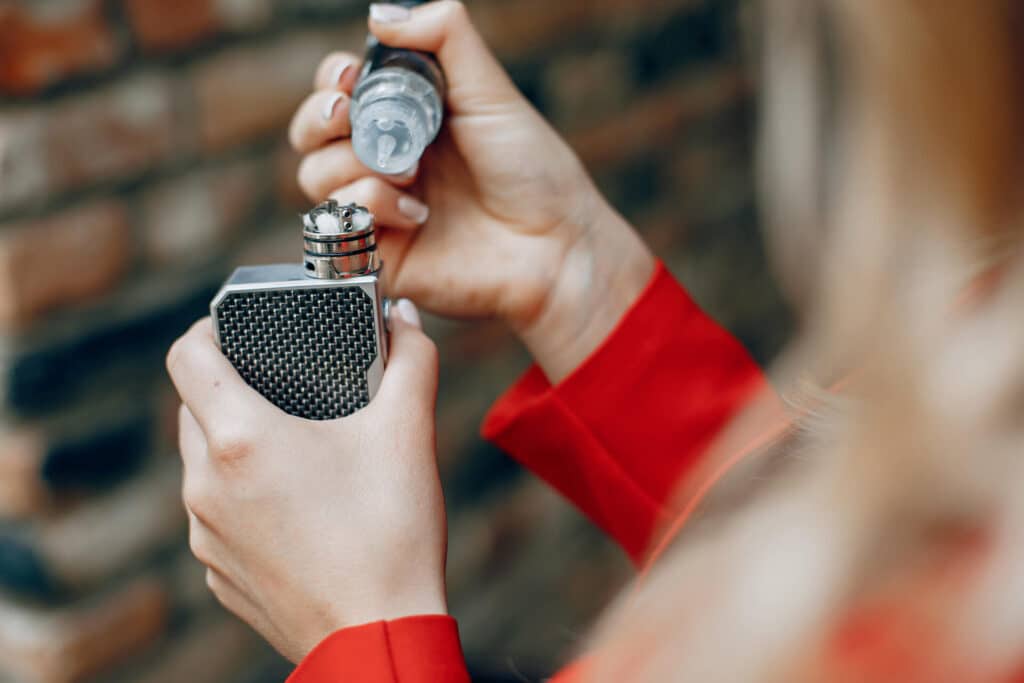
Vaping has been associated with spontaneous pneumothorax in published case reports and small case series, although the risk remains difficult to quantify. Reported cases often involve otherwise healthy teenagers and young adults using high-nicotine devices, cannabis vapes or THC products, particularly those with a tall, slim build.
Potential mechanisms include chemical irritation, inflammation and the mechanical effects of deep inhalation or breath-holding. Unregulated THC products may also contain substances linked to vaping-induced lung injury. Vitamin E acetate was strongly associated with the 2019 EVALI outbreak in the United States, which caused 2,807 hospitalisations by early 2020. Using cigarettes and vapes together may increase exposure to chemicals that damage lung tissue.
Primary Spontaneous Pneumothorax: Who Is at Risk?
Primary spontaneous pneumothorax is a sudden lung collapse in someone without diagnosed chronic lung disease. It can occur during ordinary activities, including rest or sleep. Risk factors include male sex, rapid growth during late adolescence, a tall, slim body type, a family history of pneumothorax or connective tissue disorders, and smoking cigarettes, vaping or cannabis inhalation.
Small blebs on the upper lung surface may rupture, allowing air to enter the chest cavity. These blebs are not always visible on a chest X-ray but may be detected by computed tomography. Recurrence is common after non-surgical treatment, with around 30 to 50% of patients experiencing another collapse, depending on the population studied. Keyhole surgery may be recommended after recurrent episodes.
Want a specialist opinion on your condition?
Get a clear answer from a surgeon who will be with you throughout.
Secondary Pneumothorax and Underlying Lung Disease
Secondary spontaneous pneumothorax occurs when underlying lung disease weakens lung tissue. It can be more serious than a primary event because the patient already has reduced lung reserve.
Conditions associated with secondary spontaneous pneumothorax include:
Severe COPD and emphysema
Lung cancer
Pulmonary fibrosis
Cystic fibrosis
Severe asthma
Necrotising pneumonia or tuberculosis
In older smokers, a collapsed lung can be the first sign of emphysema or lung cancer. CT imaging and specialist referral may be needed where pneumothorax secondary to lung disease is suspected.
Vaping-induced lung injury, including EVALI or lipoid pneumonia, can also lead to associated lung injury and pneumothorax. These patients may need a chest tube, inpatient treatment and, sometimes, pleurodesis.
How Vaping Injures the Lungs
Vaping devices heat e-liquid into an aerosol containing nicotine, solvents, flavourings and, in some products, oils. These substances can reach the smallest airways and alveoli.
Components of concern include:
Propylene glycol and vegetable glycerine – common e-liquid solvents
Flavour chemicals – some may irritate the airways
Nicotine – may affect blood vessels and healing
THC and cannabis oils – particularly from unregulated sources
Vitamin E acetate – linked to EVALI in illicit THC products
Repeated exposure can trigger an inflammatory response, airway irritation and reduced lung function. Deep inhalation, breath-holding and forceful inhalation may also increase pressure changes in the chest, which could rupture existing blebs in susceptible people.
Further research is needed to define the long-term risks of vaping products and the effect of dual use with traditional cigarettes.
Vaping, Popcorn Lung and Lipoid Pneumonia
Popcorn lung, or bronchiolitis obliterans, is a rare condition that scars the smallest airways and causes lasting breathlessness and cough. It was first identified in workers exposed to diacetyl, a butter-flavouring chemical. While diacetyl is restricted in many products, unregulated e-liquids remain a concern.
Lipoid pneumonia is inflammation caused by inhaling oily substances. It has been reported in people using oil-based THC vapes or homemade products. Imaging findings can include ground-glass changes on CT.
Both conditions can cause lung injury and may increase susceptibility to secondary spontaneous pneumothorax. Stopping the suspected product and seeking respiratory assessment are essential.
Case Reports: Collapsed Lung After Vaping
The existing literature on vaping-associated spontaneous pneumothorax is small but growing. Case reports describe young, otherwise healthy vapers presenting with sudden chest pain and breathlessness.
Key examples from the published literature include:
A 19-year-old male, in a case report, who vaped cannabis heavily before developing a left lung pneumothorax. CT showed small apical blebs, and symptoms resolved after conservative care and stopping vaping.
An 18-year-old male with recurrent pneumothoraces temporally linked to vaping. He required chest tube treatment and later stopped vaping.
A 15-year-old female with recurrent pneumothorax that required surgery after conservative treatment failed.
A 35-year-old male with a smoking history and recent marijuana vaping who required VATS bullectomy and pleurodesis for a persistent air leak.
A systematic review identified about 16 patients across several case reports and case series. Many required drainage, and recurrence was common. Sharma et al. and other authors have called for further research.
The low number of published cases does not prove vaping is risk-free. Cases treated in a community hospital setting may never appear in the medical literature.
Have a question about your diagnosis?
A consultation gives you a personalised plan — not a generic estimate.
Smoking, Vaping and Lung Cancer Risk
Cigarette smoking causes the vast majority of lung cancer cases. It damages DNA and increases the risk of COPD, heart disease, stroke and other serious conditions.
Laboratory studies suggest vaping aerosols can cause cellular changes, DNA damage and impaired repair mechanisms. However, electronic cigarettes have not been used long enough for researchers to confirm their long-term cancer risk in humans.
For people who smoke, switching completely from traditional smoking to vaping may reduce exposure to many toxic chemicals. It does not eliminate potential risks. The best option for lung health is to quit smoking cigarettes and eventually stop vaping too.
Other Lung Problems Linked to Smoking and Vaping
Beyond pneumothorax, smoking and vaping may contribute to respiratory problems:
Condition | Linked to Smoking | Linked to Vaping |
Chronic bronchitis / COPD | Strongly | Emerging evidence |
Emphysema | Strongly | Under investigation |
Recurrent respiratory infections | Yes | Yes |
Asthma exacerbations | Yes | Yes |
EVALI | No | Yes |
Lipoid pneumonia | Rare | Yes, especially oil-based products |
Bronchiolitis obliterans | Rare | Possible with diacetyl exposure |
Increased susceptibility to severe flu/COVID-19 | Yes | Probable |
The 2019 EVALI outbreak caused 2,807 cases of severe lung injury in the USA, with many patients requiring intensive care. Any pulmonary illness that weakens lung tissue may raise the risk of pneumothorax secondary to underlying disease.
When to Suspect a Collapsed Lung if You Smoke or Vape
Sudden chest pain or shortness of breath needs urgent medical attention, particularly if you smoke, vape or have lung disease. Symptoms may include sharp pain that worsens when you breathe in, chest tightness, wheezing, dizziness, or faintness. Blue lips, confusion or collapse are signs of a medical emergency.
Call 999 or attend A&E if you suspect a collapsed lung. Do not dismiss symptoms after vaping, coughing or exercise as anxiety without being assessed. A chest X-ray, oxygen measurements and examination can usually confirm the diagnosis within hours in hospital.
Treatment Options: From Observation to Keyhole Surgery
Treatment depends on the size and type of pneumothorax, symptoms and overall health. Small, stable lung collapses may resolve with observation, oxygen, pain relief and repeat chest X-rays. Larger or symptomatic pneumothoraces may need a chest tube to drain air and re-expand the lung.
Recurrent collapses or persistent air leaks may require video-assisted thoracoscopic surgery to remove blebs or bullae and perform pleurodesis. Open thoracotomy is rarely needed.
In London, Mr Marco Scarci offers minimally invasive thoracic surgery, including VATS pleurodesis and bullectomy, when surgical treatment is appropriate.
When to See a Thoracic Surgeon Like Mr Marco Scarci
Most first-time small pneumothoraces are managed by emergency or respiratory teams. Thoracic surgical review may be needed after a recurrent or bilateral pneumothorax, a persistent air leak, or where CT shows blebs, bullae, lung cancer or another thoracic condition.
Review is also advisable for people whose job or hobbies, such as flying or diving, make recurrence particularly hazardous. A consultant thoracic surgeon like Mr Marco Scarci can interpret imaging, discuss options and arrange thoracic surgery if needed.
Living With Lung Disease After a Collapsed Lung
Many people recover fully after a collapsed lung, but some experience breathlessness, reduced fitness or anxiety about recurrence. Pulmonary rehabilitation, breathing exercises, appropriate vaccinations, avoiding second-hand smoke and regular follow-up can support recovery.
People with COPD, EVALI-related damage or chronic lipoid pneumonia may need longer-term monitoring. Patient experiences can offer reassurance, while stopping smoking and vaping helps protect lung health and reduce the risk of further injury.
Frequently Asked Questions
Can a single vape or cigarette cause a collapsed lung?
A single puff is unlikely to cause a pneumothorax on its own. However, someone with existing blebs or lung disease may develop a collapse after intense vaping, coughing or smoking. Risk generally builds with repeated exposure.
Is it safe to go back to vaping if my collapsed lung has healed?
Returning to vaping after pneumothorax is not advised, particularly if vaping may have contributed to the first event. Recurrence is possible, and non-inhaled nicotine replacement options are safer for the lungs.
How long after pneumothorax treatment can I fly or scuba dive?
Commercial flying is usually postponed until at least two weeks after chest X-ray confirmation that the pneumothorax has fully resolved. Scuba diving is often discouraged after spontaneous pneumothorax unless definitive surgery has been performed and a diving medicine specialist has reviewed the case.
Does using nicotine patches or gum increase my risk of collapsed lung?
No. Licensed nicotine patches, gum, lozenges and sprays do not damage lung tissue or carry the same pneumothorax risk as smoking or vaping. They can support smoking cessation under medical guidance.
Can a collapsed lung happen again even if I never smoke or vape?
Yes. Recurrence can happen in non-smokers and non-vapers, especially in people with a genetic predisposition, connective tissue disorder or underlying lung disease. However, avoiding smoking and vaping reduces avoidable risk factors.
