

Intercostal neuralgia can be worrying because it often feels like serious chest pain. Intercostal neuralgia can be worrying because it often feels like serious chest pain. It typically causes sharp, burning, or shooting pain along the ribs that may worsen with twisting, deep breathing, coughing, or even light touch. While it’s usually nerve-related rather than cardiac, new or severe symptoms should still be assessed to rule out urgent causes.
This guide explains what it is, why it happens, how it is diagnosed, and the treatment options available.
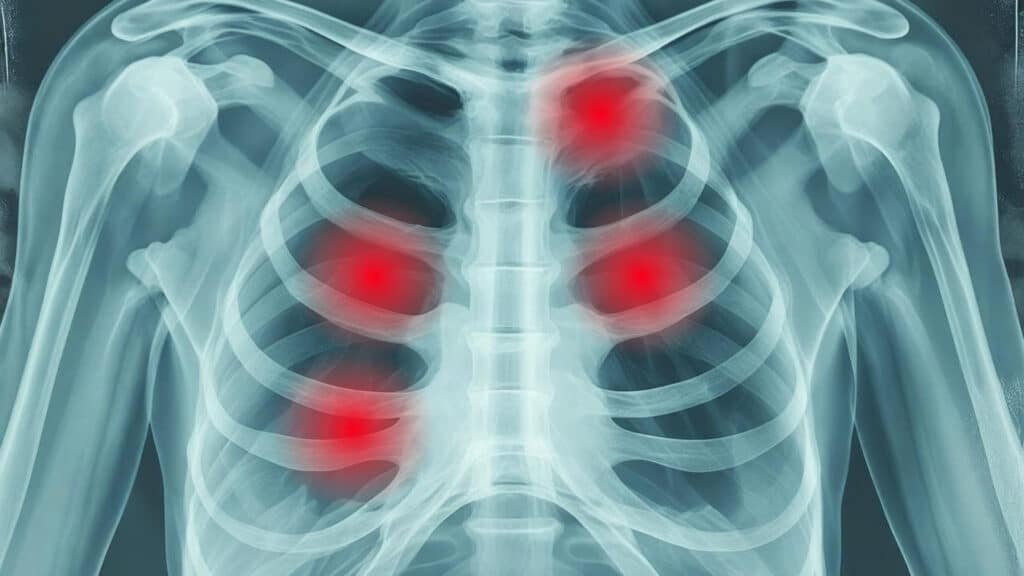
Intercostal neuralgia is a form of neuropathic pain arising from the intercostal nerves running between the ribs.
Intercostal neuralgia pain is often sharp, burning, stabbing, or electric, and may wrap around the chest or upper abdomen in a band-like pattern.
Serious causes of chest pain, including myocardial infarction, pulmonary embolism, pneumonia, and aortic dissection, must be excluded first.
Common causes include thoracic surgery, rib trauma, herpes zoster, postherpetic neuralgia, and sometimes no clear trigger.
Treatment may include medication, physiotherapy, pain management, intercostal nerve blocks, and specialist review.
What is Intercostal Neuralgia?
Intercostal neuralgia is a type of neuropathic (nerve) pain caused by irritation, inflammation, compression, or injury to an intercostal nerve.
Intercostal nerves leave the spine in the upper back (thoracic spine) and travel around the chest wall underneath each rib. They help provide sensation to the skin and support the intercostal muscles that assist with breathing.
Because of that nerve pathway, the pain often follows a recognisable track:
it may start near the spine or shoulder blade,
wrap around the side of the chest,
and move towards the breastbone or upper abdomen, often on one side.
Pain can be constant or come and go. If it lasts beyond three months, it’s usually considered chronic. Intercostal neuralgia is not usually life-threatening, but it matters because the symptoms can look like heart, lung, or digestive problems, so getting the right diagnosis is key.
Causes of Intercostal Neuralgia
Intercostal neuralgia occurs when a peripheral nerve in the thoracic region becomes irritated or injured. Identifying why intercostal neuralgia occurs helps guide treatment, and certain patient and clinical risk factors can make someone more likely to develop intercostal neuralgia.
Common causes include:
Postsurgical causes: Thoracotomy can directly injure intercostal nerves, causing pain. Post-thoracotomy pain syndrome and post-thoracotomy pain may follow open lung surgery, rib resection, chest wall tumour surgery, or other surgical procedures. Post-thoracotomy pain syndrome affects about 50% of patients in many studies, and post-thoracotomy pain syndrome affects 10% to 80% of patients depending on definitions and surgical technique. About 50% of thoracotomy patients develop post-thoracotomy pain syndrome. Intercostal neuralgia can occur after rib resection during thoracotomy.
Minimally invasive and iatrogenic causes: VATS, robotic surgery, different kinds of breast surgery, mastectomy, and chest tube placement can irritate or compress a costal nerve.
Shingles: Shingles is a common cause of intercostal neuralgia. Acute herpes zoster affecting thoracic dermatomes may inflame the dorsal root ganglia and lead to postherpetic neuralgia. Herpes zoster can lead to postherpetic neuralgia in 10-20% of cases, with risk increasing in older or immunocompromised patients. The phrase post-herpetic neuralgia is also commonly used.
Trauma: Traumatic injuries can damage intercostal nerves, causing neuralgia. Rib fractures, rib trauma, seat-belt injuries, sports injuries, and chest wall contusions may all cause nerve irritation or nerve entrapment.
Structural disease: Chest wall tumours, spinal or rib metastases, severe scoliosis, thoracic disc herniation, and chest wall deformity may compress lower intercostal nerves.
Mechanical factors: Prolonged coughing, pregnancy-related rib cage expansion, obesity, poor posture, and muscle tension can contribute.
Idiopathic cases: Intercostal neuralgia can occur without a known precipitating event.
Intercostal neuralgia caused by injuries, infections, or surgery may improve when the underlying problem settles, but some patients develop intercostal neuralgia that persists and needs review.
"I was diagnosed in March with a rare condition. My local hospital said it was inoperable due to the size of the mass. Mr Scarci reassured me the thymoma was resectable. I was booked for surgery the following week where he successfully removed the entire tumour."
Symptoms: What Does Intercostal Neuralgia Neuropathic Pain Feel Like?
Symptoms are mostly related to sensation and usually track along the line of a particular rib. The pain is often on one side and feels like a band that runs from the back or shoulder blade, around the side of the chest, and towards the breastbone or upper abdomen.
You might also notice tingling or numbness in the area. Some people develop allodynia, where light contact, such as clothing, a bra strap, or a seatbelt, feels painful. The pain often flares with coughing or sneezing, and may worsen with deep breathing, laughing, twisting, bending, or lying on the sore side.
Because it’s nerve pain, it can sometimes be mistaken for a pulled muscle, but it often has a more burning, shooting, electric, or overly sensitive quality. When symptoms are severe, they can affect sleep, work, mood, exercise, and even breathing. Some people start taking shallow breaths to avoid triggering the pain, especially after thoracic surgery or rib fractures.
Seek urgent medical help if the pain is crushing or central, comes with sweating or shortness of breath, spreads to the jaw or arm, or is associated with coughing blood, collapse/fainting, or sudden severe abdominal pain.
Have a question about your diagnosis?
A consultation gives you a personalised plan — not a generic estimate.
Differential Diagnosis: Ruling Out Other Causes of Chest and Rib Pain
Intercostal neuralgia is often considered a diagnosis of exclusion because chest and upper abdominal pain can signal serious disease. Chest pain should be evaluated for serious conditions such as cardiac events before assuming neuralgia.
Important alternatives include:
Category | Conditions to exclude |
Cardiac and vascular | myocardial infarction, angina, pericarditis, aortic dissection |
Respiratory | pulmonary embolism, pneumonia, pleurisy, pneumothorax, pleural effusion |
Musculoskeletal | intercostal muscle strain, costochondritis, Tietze syndrome, rib fractures, vertebral fractures |
Neurological | thoracic radiculopathy, thoracic disc herniation, diabetic peripheral neuropathy |
Infectious | herpes zoster before rash, postherpetic neuralgia |
Gastrointestinal | reflux, pancreatitis, gallstones, cholecystitis peptic ulcer disease |
Other mimics | aortic dissection esophageal disorders, chronic abdominal wall pain |
Lower rib neuralgia can be mistaken for abdominal pain. Similarly, gallbladder or stomach disease may be felt near the ribs. A careful differential diagnosis may require ECG, blood tests, chest X-ray, CT, magnetic resonance imaging, or ultrasound. |
Diagnosis and Clinical Assessment
Diagnosis usually starts with a detailed history and physical examination, then targeted tests if needed.
A clinician will often ask about:
when the pain started and how it has changed
what triggers or relieves it
recent surgery, chest drains, injury, or rib trauma
shingles rash (current or past)
cancer history or unexplained weight loss
chronic cough or repeated strain
associated symptoms (breathlessness, fever, palpitations, fainting, etc.)
Upon examination, they may:
map tenderness along a rib line
assess sensation (light touch/pin-prick)
look for hypersensitivity and pain with gentle contact
check the thoracic spine and surrounding muscles
look for signs that suggest radiculopathy or another spinal source
Possible investigations
Tests depend on the situation, but can include:
Chest X-ray (lungs, pleura, ribs)
CT scan (fractures, tumours, complications)
MRI (thoracic spine/soft tissues; helps exclude radiculopathy causes)
ECG and blood tests if cardiac causes need excluding
CT pulmonary angiography if pulmonary embolism is a concern
Occasionally electromyography (EMG), though it’s not always required
A diagnostic intercostal nerve block can also help: if pain improves temporarily after local anaesthetic around a specific nerve level, that supports the diagnosis and helps pinpoint the source.
If imaging suggests a structural chest issue (or symptoms follow thoracic surgery), a proper assessment by a consultant thoracic surgeon may be appropriate.
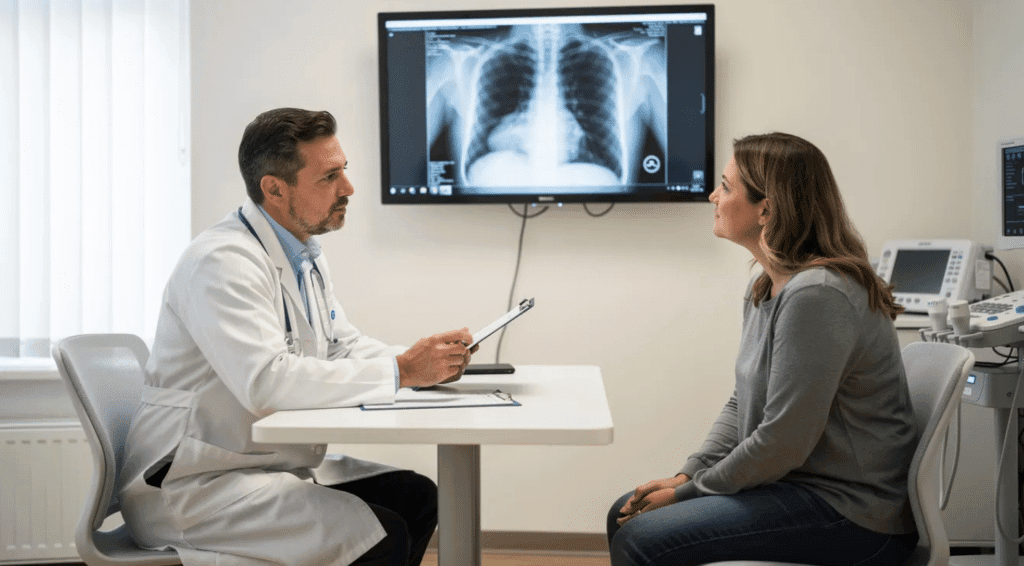
Not sure about your treatment options?
Mr Scarci provides expert consultations typically within one week of contact.
Treatment and Pain Management Options
Treatment is usually multimodal. The aim is to relieve pain, treat intercostal neuralgia at its cause where possible, preserve breathing mechanics, and prevent chronic neuropathic pain.
First-line options for uncomplicated intercostal neuralgia may include rest from aggravating activities, heat or ice, paracetamol, and anti-inflammatory medication if appropriate. Avoid prolonged self-medication without review.
Medication options include:
Anticonvulsants: Anticonvulsants are first-line treatments for neurogenic pain conditions. Gabapentin or pregabalin may be used for neuropathic pain.
Antidepressants: Tricyclic antidepressants are used to manage nerve pain. Antidepressants may help treat intercostal neuralgia pain, including amitriptyline, nortriptyline, duloxetine, or venlafaxine.
Topical medications: Lidocaine patches and capsaicin cream may help localised sensitivity. Capsaicin patches are FDA-approved for neuropathic pain treatment.
Opioids: Opioids may be prescribed for severe intercostal neuralgia pain, usually short-term and with careful monitoring because of sedation, constipation, dependency risk, and urinary retention.
Physiotherapy can be a big help with intercostal neuralgia, especially when pain is making you stiff or fearful of movement. A good programme aims to keep the chest and upper back moving well, reduce protective “guarding,” improve posture, and support breathing exercises. In some cases, occupational therapy can also help you manage day-to-day activities during recovery and avoid deconditioning, and treatments like TENS (a mild electrical stimulation device) may be worth trying for selected patients.
If symptoms persist or are severe, clinicians may consider more targeted pain procedures. These can include intercostal nerve blocks, thoracic epidural injections, or radiofrequency treatments. Nerve blocks are used both to relieve pain and, in some cases, to help confirm which nerve level is involved; evidence also suggests they can reduce early pain after thoracic surgery compared with standard pain relief alone in the first 24 hours.
For pain that doesn’t settle, pulsed radiofrequency ablation may provide longer-lasting relief in resistant cases. Ongoing intercostal neuralgia is often best managed with a team approach typically involving a pain specialist, anaesthetist, physiotherapist, and sometimes a psychologist and thoracic surgeon, and some patients may choose private thoracic care in London depending on circumstances.
Surgery is uncommon, but it may be considered when there is a clear, treatable cause such as a neuroma, scar-related nerve entrapment, a tumour, or a rib abnormality. Whatever the cause, good pain control, particularly after thoracic surgery, is important to help you breathe deeply, cough effectively, and recover safely.
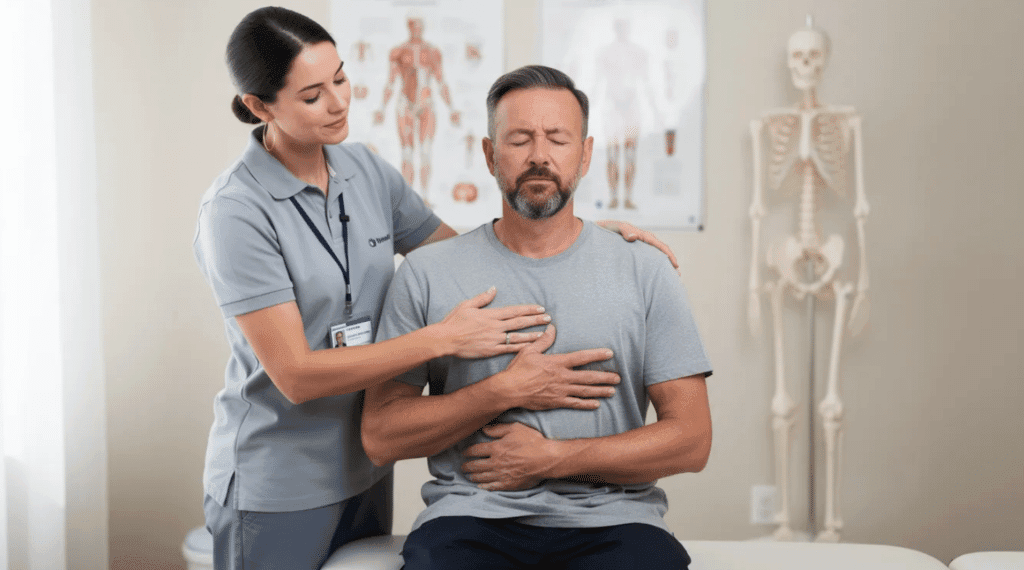
"After two years of being told my symptoms were anxiety, Mr Scarci identified the problem immediately. The surgery was straightforward and I was discharged after three days. I only wish I had found him sooner."
Intercostal Nerve Block: What to Expect
An intercostal nerve block is an injection placed near a specific nerve between the ribs. It can be used in two ways: to help confirm the source of pain (diagnostic) and to reduce pain (therapeutic).
It’s often considered when chest wall pain is persistent and localised, especially after thoracic surgery, rib fractures, shingles/postherpetic neuralgia, post-thoracotomy pain, or when chronic intercostal neuralgia hasn’t improved with medication.
Before the procedure, your clinician will check your medical history, current medications (particularly blood thinners/anticoagulants), allergies, and go through consent. If sedation is planned, you may be asked to fast.
During the injection, you usually lie on your side or front. The skin is cleaned and numbed, then, using ultrasound or X-ray guidance, a fine needle is guided to the area just under the rib near the affected nerve. A local anaesthetic is injected, sometimes combined with a steroid to reduce inflammation.
Many people feel relief quickly from the anaesthetic, although it may only last a few hours. If a steroid is used, it can provide longer benefit over days to weeks, but results vary, and relief may be partial.
Afterwards, it’s normal to have mild soreness or bruising at the injection site, and occasionally a short-lived flare of pain. Rare complications include bleeding, infection, local anaesthetic toxicity, and accidental lung puncture (pneumothorax), though these are uncommon when performed by experienced clinicians. You’re usually monitored briefly after the procedure, and if you’ve had sedation, you shouldn’t drive the same day.
Thoracic surgeons commonly work alongside pain specialists who may perform intercostal nerve blocks as part of comprehensive care after complex thoracic surgery and treatment of other thoracic conditions, including patients who have required procedures for pneumothorax and collapsed lung.
Want a specialist opinion on your condition?
Get a clear answer from a surgeon who will be with you throughout.
Living with Intercostal Neuralgia and When to Seek Specialist Help
Living with intercostal neuralgia can affect sleep, work, exercise, and emotional well-being. Structured care can make a significant difference.
Practical steps include:
Pace activity and avoid sudden twisting or heavy lifting.
Use supportive pillows at night.
Continue prescribed breathing and mobility exercises.
Track triggers such as prolonged sitting, sport, coughing, tight clothing, or seatbelt pressure.
Consider ergonomic seating, suitable bra support, or seatbelt padding.
Stop smoking, manage weight, and walk gently within pain limits.
Seek review if pain persists for several weeks, worsens, affects breathing, or interferes with sleep, work, or mood.
If you are dealing with persistent rib, chest wall, or post-surgical thoracic pain, specialist assessment can clarify the cause and guide treatment. Mr Marco Scarci offers experienced thoracic surgical care in London, including private, NHS, and virtual consultation options, with convenient access through Elstree Outpatients Centre and related chest clinic referral services. Many patients describe their experiences in the clinic’s thoracic surgery testimonials.
FAQ
How long does intercostal neuralgia usually last?
Duration varies. Mild mechanical irritation may settle within 2–6 weeks with early treatment, posture correction, and physiotherapy.
Pain after thoracic surgery or herpes zoster may last months. Some patients develop chronic pain beyond 3 to 6 months, especially after nerve injury, severe shingles, or poor early pain control. Earlier assessment and rehabilitation may reduce long-term risk.
Can intercostal neuralgia damage my lungs or heart?
Intercostal neuralgia affects nerves in the chest wall, not the heart or lungs directly.
However, severe pain can cause shallow breathing, poor coughing, and reduced mobility. After surgery, this may increase the risk of chest infection. That is why persistent thoracic pain should be assessed, and serious causes should be excluded first.
Is exercise safe if I have intercostal neuralgia?
Gentle exercise is usually helpful. Walking, breathing exercises, stretching, and guided mobility work can prevent stiffness and deconditioning.
Avoid high-impact sports, heavy lifting, or twisting movements during a flare. Stop and seek review if exercise causes new chest pain, worsening breathlessness, dizziness, or collapse.
When should I go to A&E rather than my GP or specialist?
Go to A&E for sudden crushing central chest pain, pain spreading to the jaw or left arm, severe breathlessness, coughing blood, sudden weakness, collapse, or severe tearing chest or back pain.
These symptoms can indicate myocardial infarction, pulmonary embolism, aortic dissection, pneumothorax, or another emergency. Do not assume they are intercostal neuralgia.
Can intercostal neuralgia come back after it has improved?
Yes. Recurrence is possible if the original trigger remains, such as poor posture, repetitive strain, chronic cough, chest wall disease, or scar-related nerve entrapment.
Patients with previous thoracic surgery, rib trauma, or postherpetic neuralgia may have flare-ups. Early review, regular mobility exercises, and good pain management can help prevent a relapse from becoming prolonged.
