

If you have flared ribs, you already know that night-time can be uncomfortable. The wrong sleep position can increase rib pain, stiffen the upper body, and leave you feeling worse in the morning than when you went to bed. This guide is for anyone experiencing rib flare who wants to improve sleep comfort and reduce pain. Finding the right sleeping position can significantly reduce discomfort and support recovery for people with rib flaring.
The good news is that a few targeted adjustments to how you lie, what you lie on, and how you breathe before sleep can make a meaningful difference.
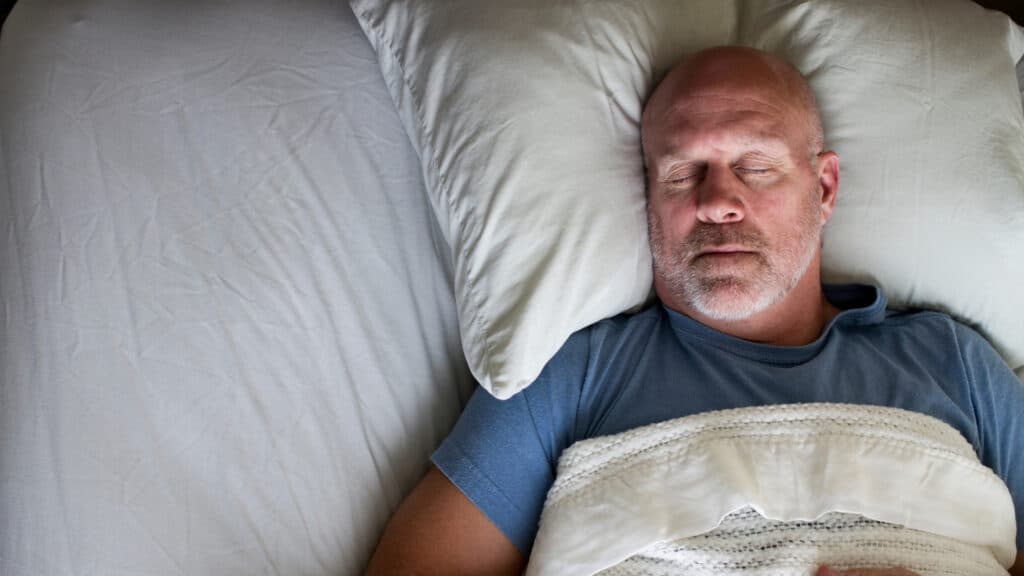
For most people sleeping with rib flaring, back sleeping with knees bent and the ribs gently settling “down and in” toward the mattress is usually the best position to reduce pain and support neutral alignment.
Side sleepers can still sleep on their side but should avoid lying on the more painful side and use several pillows to support the rib cage and pelvis.
Stomach sleeping generally worsens flared ribs and rib pain and is best avoided, especially during painful phases or early treatment.
Rib flaring can cause discomfort and back pain, and persistent symptoms, breathing difficulty, or visible chest wall deformity should be assessed by a thoracic surgery specialist, such as Mr Marco Scarci in London.
Understanding Rib Flare and Flared Ribs
Rib flare occurs when the rib cage protrudes outward and forward, particularly at the lower ribs (roughly ribs 8–12). It is often most obvious when lying flat or raising the arms above the head. For some people, especially when symptoms are persistent or severe, a structured rib flaring treatment and surgery guide can help clarify the full range of conservative and surgical options.
The lower rib cage is formed partly by the false ribs, which connect to the sternum through cartilage rather than directly through bone. This added mobility can make the lower ribs more likely to drift outward or appear more prominent. Common visual signs include the bottom ribs sticking out, one side of the ribcage appearing more pronounced than the other, or the ribs showing clearly through clothing when lying on the back.
Rib flare can exist on its own or together with chest wall deformities such as mild pectus excavatum or scoliosis. Patients with more complex or combined deformities may benefit from a broader overview of chest wall deformities, their causes and treatments. Skeletal abnormalities can be accompanied by flared lower ribs.
Posture and breathing mechanics can also influence rib flaring. Inefficient breathing patterns may pull the ribs upward, while postural dysfunction can tilt the rib cage forward. Together, these factors can make the flare look more noticeable and may increase strain through the torso.
Although rib flare is often viewed as a cosmetic concern, it is not always harmless. In some cases, it can contribute to muscle strain, fatigue in the intercostal muscles, and tension across the torso, shoulders, and upper back.
Not sure about your treatment options?
Mr Scarci provides expert consultations typically within one week of contact.
Why Sleeping Position Matters With Rib Flaring
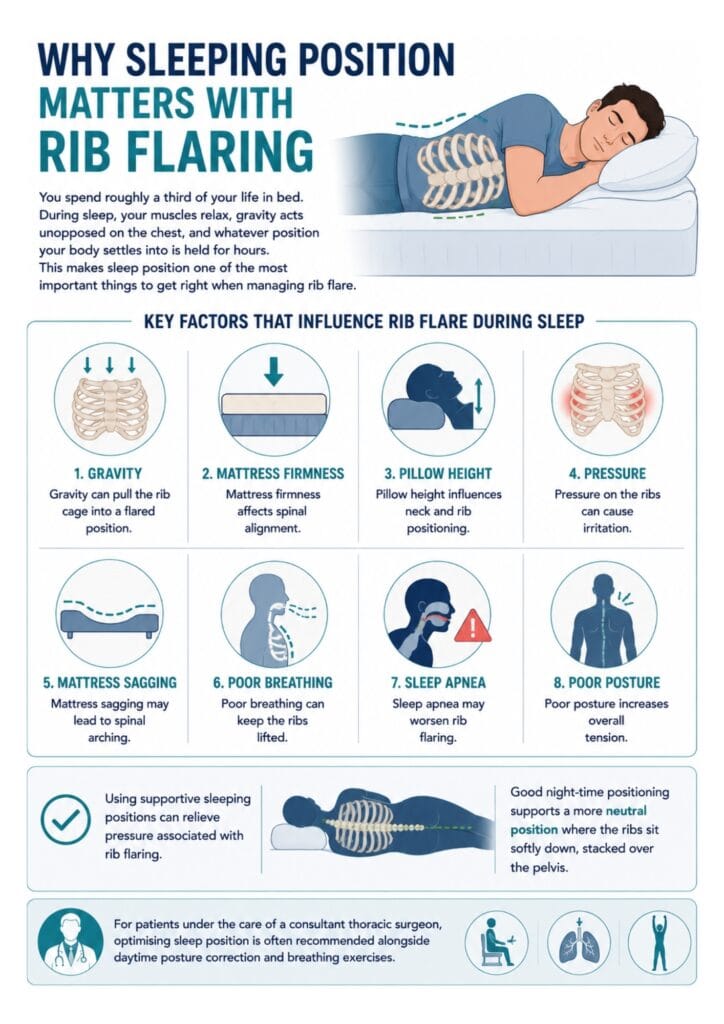
You spend roughly a third of your life in bed. During sleep, your muscles relax, gravity acts unopposed on the chest, and whatever position your body settles into is held for hours. This makes sleep position one of the most important things to get right when managing rib flare.
Key factors that influence rib flare during sleep include:
Gravity can pull the rib cage into a flared position.
Mattress firmness affects spinal alignment.
Pillow height influences neck and rib positioning.
Pressure on the ribs can cause irritation.
Mattress sagging may lead to spinal arching.
Poor breathing can keep the ribs lifted.
Sleep apnea may worsen rib flaring.
Poor posture increases overall tension.
Using supportive sleeping positions can relieve pressure associated with rib flaring. Good night-time positioning supports a more neutral position where the ribs sit softly down, stacked over the pelvis.
For patients under the care of a consultant thoracic surgeon, optimising sleep position is often recommended alongside daytime posture correction and breathing exercises.
"After multiple failed consultations elsewhere, Mr Scarci identified exactly what was wrong and operated within two weeks. Recovery was smooth and I'm back to normal life."
The Best Sleeping Positions for Rib Flare
There is no single perfect position for everyone. However, clinical experience and the available evidence on intercostal muscle strain and chest wall mechanics point to clear principles. Weak abdominal muscles can lead to rib flare, and the position you choose at night either helps or hinders how those compensatory muscles recover.
Back Sleeping (Supine): Usually Best for Rib Flare
Back sleeping, also called supine sleeping, is often the first-choice position for people with rib flare because it distributes pressure more evenly across the rib cage and spine. In this position, the ribs can settle gently toward the mattress rather than being compressed from the side or pushed forward by spinal arching.
The key is to keep the rib cage stacked over the pelvis. A medium-firm mattress, a moderate pillow under the head, and a small pillow or bolster under the knees can help reduce strain through the lower back. Bending the knees slightly can also flatten an exaggerated lumbar arch, which is important because hyperlordosis may push the lower ribs forward and make flare more visible.
Avoid lying in a stiff “chest-up” posture. The shoulders should rest flat, and the arms can stay relaxed at the sides or across the body. Before sleep, it may help to take 5–10 slow nasal breaths and gently feel the lower ribs move down toward the mattress on each exhale. This “ribs down” cue encourages a more neutral position without forcing or bracing the stomach.
Patients recovering after thoracic surgery should always follow their surgeon’s specific instructions. In many cases, a supported back position is recommended early in recovery, and dedicated guidance on how to sleep after thoracic surgery can be especially helpful during this phase.
Side Sleeping With Flared Ribs
Side sleeping can still work for rib flare, especially for people who cannot tolerate sleeping on their back all night. The goal is to reduce pressure on the more painful or prominent side while keeping the spine, pelvis, and rib cage aligned.
A supportive pillow should fill the space between the shoulder and ear so the neck stays level. A second pillow between the knees can help keep the hips and pelvis neutral, while hugging a body pillow in front of the chest may gently support the ribs and reduce the tendency for the torso to rotate forward.
Try to keep the knees and ankles stacked, with the pelvis level and the rib cage positioned over the hips. Avoid curling tightly into a fetal position, which can compress the front ribs and sternum. Also avoid arching backward, as this can exaggerate rib flare and increase tension through the chest and spine.
Pregnancy is a common cause of rib flare, and pregnant or postpartum patients may find supported left-side sleeping most comfortable. Extra support around the ribs, abdomen, and pelvis can help reduce strain while also supporting blood flow to internal organs. In rare cases where an elevated hemidiaphragm or diaphragm paralysis affects breathing, surgery such as diaphragmatic plication to improve respiratory function may be discussed with a specialist.
Stomach Sleeping (Prone): Usually Best Avoided
Stomach sleeping, also called prone sleeping, is usually the least helpful position for rib flare. Lying on the stomach can force the lower ribs and spine into extension, which may worsen rib prominence and rib pain. It can also compress the chest, restrict deep breathing, and encourage neck rotation that adds strain through the upper back and shoulders.
People with active intercostal muscle strain, recent rib fractures, or post-operative chest wounds should avoid stomach sleeping unless their clinician has advised otherwise. Anyone with suspected injury should also review typical broken rib symptoms and treatment options with a specialist.
Habitual stomach sleepers may find it easier to start on the side with a pillow behind the back to prevent rolling fully onto the stomach. If lying prone briefly is unavoidable, use a very thin pillow or no pillow under the head, keep the hips and legs aligned, and avoid resting directly on the most tender ribs.
Have a question about your diagnosis?
A consultation gives you a personalised plan — not a generic estimate.
Rib Flare, Rib Pain and Intercostal Muscle Strain at Night
Flared ribs often coexist with intercostal muscle strain or neuralgia, particularly because the intercostal muscles may have to work harder to support a chest wall that is out of alignment. Intercostal muscle strain can cause sharp chest pain, and discomfort often worsens with movement or deep breathing, both of which can happen naturally during sleep.
Symptoms may feel more noticeable at night or first thing in the morning because the body has stayed in one position for several hours. Common signs include:
Sharp or pulling rib pain when rolling over in bed
Tenderness along the rib margin
Shallow breathing or shortness of breath when lying down
Increased discomfort with deep breaths, coughing, or twisting
To reduce night-time strain, avoid sudden twisting movements when changing position. Instead of rotating the upper body while the hips stay fixed, try turning the whole body together as one unit. This can reduce pulling through the ribs, intercostal muscles, and spine.
For a recent muscle strain, ice may be helpful during the first 48 hours to reduce inflammation, followed by gentle warmth as the area begins to settle. Over-the-counter anti-inflammatory medication may help with short-term discomfort when appropriate, but anyone injured in a fall, impact, or winter sport should be aware of broken rib symptoms and winter injury guidance, including the potential complications that can follow broken ribs.
Patients with known rib fractures, severe muscle strain, or a history of pneumothorax should receive tailored sleep advice from a thoracic specialist, ideally someone familiar with the full spectrum of thoracic conditions.
Persistent or unexplained rib pain at night should not be dismissed, especially if it does not improve with rest or supportive positioning. In some cases, imaging such as a chest X-ray or CT scan may be needed and is usually arranged through a doctor such as Mr Marco Scarci.
"I had rib pain for 6 years, was bounced around NHS without diagnosis. I was recommended to Mr Scarci — at consultation within minutes he knew what the problem was. Was offered surgery date the next week. 2 weeks post surgery I am almost back to full health."
Practical Night-Time Tips for People With Flared Ribs
Mattress and Pillow Adjustments
Adjustment | Why It Helps |
Medium to medium-firm mattress | Prevents rib cage collapse (too soft) or direct rib pressure (too firm) |
Correct pillow height | Keeps head and neck aligned, avoids forcing the rib cage into extension |
Thin towel under lower ribs (side sleeping) | Fills the gap between ribs and mattress, helping reduce pain |
Wedge pillow or adjustable bed | Slight upper body elevation eases breathing and reflux |
Body pillow behind back | Blocks unconscious rolling onto stomach |
Pre-Bedtime Routines
Chest stretches: Gentle thoracic mobility work and light stretching of the chest and shoulders can help the rib cage return to a more natural position.
Relaxing back muscles: Massaging tight muscles in the upper back and between the ribs reduces night-time tension.
Core exercises: Even a few minutes of standing or sitting core activation and diaphragmatic breathing before bed trains the body to hold a better position.
Pilates: Incorporating Pilates can improve breathing patterns and muscle integration, making it a useful addition to a daytime programme that supports better sleep.
Additional Comfort Strategies
Improving posture: Guided physical therapy during the day can alleviate rib flare symptoms at night. A physical therapist can design a programme targeting core strength and correcting the anterior pelvic tilt that often accompanies flare.
Supportive pillows: Use supportive pillows to improve sleep comfort during recovery.
Avoid heavy meals and caffeine: Avoid heavy meals, excessive caffeine, and tight muscles from evening exercise close to bedtime.
Want a specialist opinion on your condition?
Get a clear answer from a surgeon who will be with you throughout.
When to See a Thoracic Specialist About Rib Flare

While many cases of mild rib flare are managed conservatively with posture work and sleep adjustments, some patterns need specialist review. Improving posture can help correct rib flare, but not all flare is purely postural.
Seek assessment if you notice:
Rib pain that does not improve with rest, positional changes, or physical therapy
Unexplained weight loss, night sweats, or fever alongside chest or rib symptoms
A rapidly changing chest wall shape or worsening asymmetry
Breathing difficulty that is getting worse, particularly when sitting or lying flat
Chest wall deformities such as significant pectus excavatum, post-surgical changes, or previous trauma may require thoracic surgical input. When the issue is pectus carinatum rather than excavatum, non-surgical options like a brace for pectus carinatum are often considered. Pectus bracing or surgical correction may be discussed when flare is part of a larger structural issue, and less pain is achievable with the right intervention.
A consultant thoracic surgeon like Mr Marco Scarci in London can perform a detailed clinical assessment, request targeted imaging via a rib flare test, and advise whether surgery, physiotherapy, or simple observation is most appropriate. Many patients are managed without surgery, but having an expert confirm the diagnosis often provides peace of mind.
If you have troubling symptoms or complex chest wall concerns, consider seeking a private or NHS consultation with Mr Scarci for personalised advice, including discussion of optimal sleeping positions in the context of your specific condition and clarification of why you might be referred to a chest clinic.
FAQ
Can the way I sleep actually worsen my rib flare permanently?
Sleep position alone is unlikely to permanently cause rib flare, but long-term extended or twisted sleeping positions can worsen symptoms and reinforce posture or muscle imbalances. Improving night-time positioning alongside daytime posture, breathing exercises, and physiotherapy if needed usually offers the best chance of improvement.
How long does it take to feel a difference after changing my sleeping position?
Some people notice reduced rib pain or stiffness within a few nights, especially those who previously slept on their stomach. Visible change in rib flare is usually gradual over weeks to months, depending on age, underlying anatomy, and consistency with exercises. Research suggests it may take up to 2000 reps of corrective movement to meaningfully change rib flare posture habits. Give new sleep routines at least 2–4 weeks before judging their effect, and see a doctor if pain is severe or getting worse.
Is it safe to use rib braces or tight clothing at night to “hold my ribs in”?
Very tight braces or compression garments worn during sleep can restrict breathing and may worsen discomfort, especially when lying on the side or stomach. Rib flaring can impede full, deep exhalation, and external compression can compound this. In most cases, gentle support, such as a soft vest or light elastic support prescribed by a clinician, is safer than rigid, unsupervised bracing. Any night-time brace use for rib flare or chest wall deformity should be discussed with a thoracic surgeon or specialist physiotherapist.
Are there specific breathing exercises I should do before bed for flared ribs?
Try diaphragmatic breathing while supported on your back or side, focusing on expanding the side and back ribs as you inhale and letting the lower ribs move gently “down and in” as you exhale. Practising 5–10 slow breaths can help reset breathing patterns, and some patients may benefit from a tailored plan with a thoracic surgeon and musculoskeletal physiotherapist.
Can surgery correct rib flare, and would that change how I should sleep?
Surgery is rarely required for isolated cosmetic rib flare but may be considered when it forms part of a more significant chest wall deformity or causes functional problems. After chest wall or rib surgery, sleeping position is usually modified for a period, often favouring supported back or semi-upright positions with several pillows, based on the procedure performed. Only an individual consultation with a thoracic surgeon such as Mr Marco Scarci can determine if surgery is appropriate and what specific post-operative sleeping advice would apply.
