

Chest pain when coughing is not always harmless. While muscle strain is common, it can also signal pneumonia, pleurisy, pulmonary embolism, pneumothorax, or lung cancer.
Chest pain when coughing can indicate serious lung or heart conditions, so accurate diagnosis is essential.
When sharp chest pain with a cough, shortness of breath, or coughing up blood occurs, it requires same-day emergency assessment. Call 999 or go straight to A&E immediately.
People with chronic conditions such as COPD, asthma, heart disease, cancer, or a weakened immune system should contact a healthcare provider early rather than waiting it out.
Mr Marco Scarci, a consultant thoracic surgeon in London, provides specialist evaluation and minimally invasive treatment for complex chest conditions causing pain when coughing.
Introduction: What Does It Mean When Your Chest Hurts When You Cough?
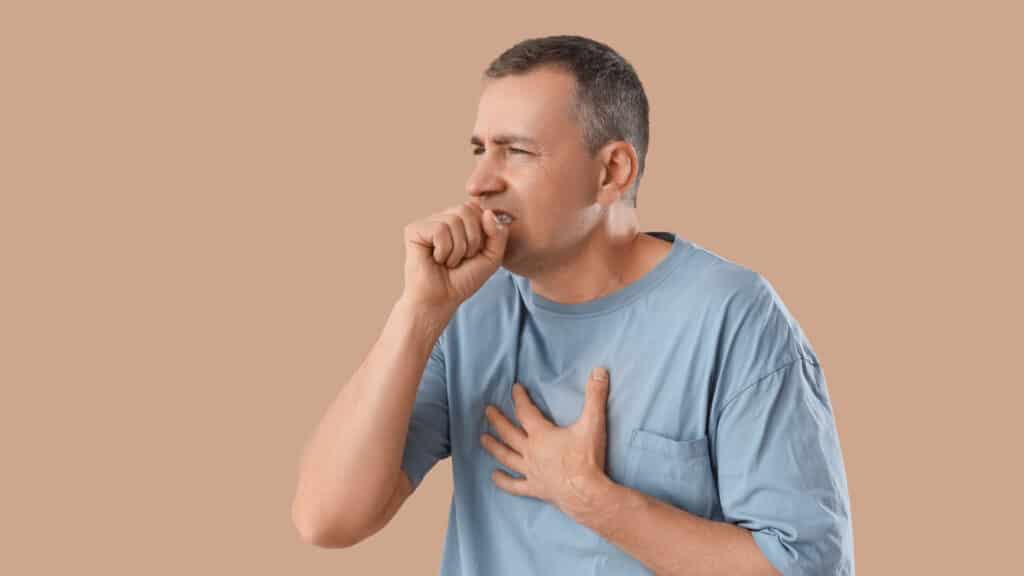
Coughing uses many chest and abdominal muscles, and when that cough persists for days, the mechanical stress on your ribs, intercostal muscles, and lungs can become significant. A mild chest cold may leave you with expected soreness, but chest tightness or sharp pain that feels worse with each cough or deep breath is a red-flag symptom rather than something to shrug off.
The underlying cause can range from simple muscle strain and acute bronchitis to serious chest infection, blood clot in the lungs, pneumothorax, heart problems, or lung cancer. This article is written from the perspective of Mr Marco Scarci, a London-based thoracic surgeon, focusing on lung and chest causes. If you develop new, severe, or unexplained chest pain with a cough, discuss it with a doctor – and if symptoms are sudden or frightening, bypass your GP and call 999.
Common, Less Dangerous Reasons Your Chest Hurts When You Cough
Not all chest pain when coughing means a life threatening emergency. Many cases relate to irritated muscles and mild infections where pain is reproducible with movement or touch. Breathing may feel uncomfortable but not severely restricted. That said, even milder causes merit assessment if pain is severe, lasts longer than two weeks, or occurs alongside underlying health conditions.
Muscle Exhaustion and Strain of the Chest Wall
Intense coughing can exhaust chest muscles, causing soreness that lingers between bouts. Repeated coughing over a few days fatigues the intercostal muscles between the ribs and abdominal muscles, producing chest and rib pain that is aching or sharp only with coughing, laughing, or certain movements. Coughing hard can lead to chest wall pain that is tender when pressing on the ribs or breastbone. Chest pain from coughing usually improves between coughs.
Severe coughing can lead to rib fractures or costochondritis – inflammation of cartilage connecting ribs to the sternum. Costochondritis is inflammation of the cartilage connecting the ribs to the breastbone. Chest pain can be related to various musculoskeletal issues, and in outpatient settings, musculoskeletal causes account for 30–50% of noncardiac chest pain. Muscle pain typically improves with rest, gentle stretching, heat packs, and simple pain relief, and does not usually cause shortness of breath at rest. Seek medical advice if you cannot distinguish muscle strain from deeper pain around ribs and back, or if pain wakes you from sleep.
Acute Bronchitis (Chest Cold)
Acute bronchitis is a frequent cause of chest discomfort and chest tightness during a cough, usually following a viral cold or flu – often called a chest cold. Bronchitis causes inflammation in the bronchial tubes, the large airways that carry air into your lungs. Acute bronchitis accounts for roughly 100 million medical visits annually worldwide.
The main symptoms include persistent cough with or without clear mucus or yellow mucus wheezing, a burning sensation or heavy feeling in the centre of the chest, low energy, sore throat, and low-grade fever. Bronchitis symptoms typically last under three weeks, though chest pain from bronchitis can last several weeks after the infection clears. Chest pain from bronchitis feels dull and worsens with coughing, and a chronic cough can cause a feeling of pressure in the chest.
Most acute bronchitis is a viral infection, so antibiotics are not effective for viral bronchitis. Supportive care includes rest, paracetamol, and avoiding irritants. Throat lozenges and cough medicines may provide temporary relief for throat irritation, though they do not treat the underlying infection. Drink plenty of warm fluids and warm water to stay hydrated. Bacterial infection is less common; only a healthcare professional can decide if antibiotics are needed. Red-flag signs – high fever, fast breathing, confusion, or sharp chest pain worsening with deep breaths – may indicate pneumonia rather than simple bronchitis.
Mild Viral Chest Infection
Mild viral chest infections often start as a head cold then move down into the chest, causing cough, low-grade fever, and general chest discomfort. Underlying infections and inflammation can cause chest pain during coughing even when the illness is mild. Symptoms usually improve within 7–10 days, though a dry or tickly cough can linger for up to three weeks.
Sensible home care includes rest, drinking plenty of water, raising the head with extra pillows at night, and soothing drinks such as lemon and honey to ease throat irritation. Clean indoor air by ventilating rooms. Children under 16 should not be given aspirin, and infants under 12 months should not have honey. If symptoms are not easing after ten days or the chest infection feels worse, speak to your GP to rule out bacterial infection. You can help prevent chest infections by washing hands regularly, staying up to date with vaccinations, and avoiding smoking.
"I had rib pain for 6 years, was bounced around NHS without diagnosis. I was recommended to Mr Scarci — at consultation within minutes he knew what the problem was. Was offered surgery date the next week. 2 weeks post surgery I am almost back to full health."
Serious Lung and Chest Conditions That Make Chest Pain When Coughing a Cause for Alarm
Certain causes of chest pain when coughing are medical emergencies. Pneumonia, pleurisy, pulmonary embolism, pneumothorax, and lung cancer can all progress quickly, potentially leading to respiratory failure or sepsis.
Seek same-day care if chest pain is sudden, severe, or associated with difficulty breathing, coughing up blood, high fever, or feeling faint.
Pneumonia and Severe Chest Infections
Pneumonia is an infection of the lung’s air sacs caused by viruses, bacteria, fungi, or parasites, and is far more dangerous than conditions like bronchitis. Symptoms include high fever and chills, a productive cough with coloured sputum, and sharp chest pain that worsens with coughing or deep breathing.
Left untreated, pneumonia can lead to serious complications, including empyema, a painful condition where infected fluid collects in the pleural space around the lung.
It is particularly life-threatening in older adults, infants, pregnant women, and those with heart disease, COPD, diabetes, or a weakened immune system. Diagnosis typically involves a chest X-ray, blood tests, and oxygen measurement. Bacterial pneumonia requires antibiotics, and sometimes hospital admission; viral pneumonia is managed with supportive care.
Pleurisy and Pleural Effusion
Pleurisy is inflammation of the pleura, the thin tissue layers surrounding the lungs and lining the chest wall, and most commonly follows conditions such as pneumonia or pulmonary embolism. Pleurisy causes sharp, stabbing chest pain on one side that worsens with breathing or coughing, and may radiate to the shoulder. Pleural effusion, which is fluid build-up in the pleural space, causes pressure, breathlessness, and dull chest discomfort instead of stabbing chest pain.
These pleural disorders are diagnosed through examination, imaging, and sometimes fluid drainage. Treatment targets the underlying cause, including antibiotics, anti-inflammatory medication, or thoracic surgery for empyema.
Pulmonary Embolism (Blood Clot in the Lung)
A pulmonary embolism is a blood clot blocking arteries in the lung, typically travelling from a deep vein in the leg. It is a life-threatening emergency. Pulmonary embolism causes acute chest pain and shortness of breath. Key symptoms include sudden chest pain that worsens with coughing or deep breathing, shortness of breath, rapid heart rate, coughing up blood, and light-headedness, and NHS hospital data shows that 66% of PE patients experience chest pain.
Risk factors include recent surgery, immobility, pregnancy, hormone therapy, and cancer. Suspected PE requires immediate A&E assessment, and call 999 if symptoms are severe. Treatment involves blood-thinning medications and sometimes clot-dissolving drugs. Coughing up blood indicates a serious condition and requires immediate attention.
Pneumothorax (Collapsed Lung) and Rib Complications
Pneumothorax occurs when air leaks into the space between the lung and chest wall, collapsing the lung. It can happen spontaneously in tall, slim young people, in smokers, or in those with emphysema. Symptoms include sudden, sharp, one-sided chest pain worsening with breathing and coughing, sudden shortness of breath, and painful chest tightness. For many patients, this pattern represents spontaneous pneumothorax and its typical signs. Tension pneumothorax is immediately life-threatening.
Heavy coughing can also cause rib fractures, especially in people with osteoporosis or long-term steroid use. Diagnosis uses chest X-ray or CT scan; management ranges from observation to chest drain or minimally invasive thoracic surgery such as VATS, and in recurrent cases may involve dedicated pneumothorax treatment with a thoracic surgeon.
Lung Cancer and Other Chest Tumours
Persistent chest pain or a cough lasting more than three weeks can sometimes indicate serious underlying conditions, including lung cancer, chest wall tumours, or mediastinal masses. With approximately 43,000 new UK lung cancer diagnoses yearly, early detection is critical.
Key warning signs to watch for include:
A chronic cough lasting more than three weeks
Coughing up blood
Unexplained weight loss
Persistent hoarseness
Recurrent chest infections
Pain associated with lung cancer can be dull or sharp, and may be felt in the chest, shoulder, or back. If you experience any of these symptoms, seek medical attention promptly and learn more about lung cancer symptoms and red flags.
Not sure about your treatment options?
Mr Scarci provides expert consultations typically within one week of contact.
Heart and Circulation Problems That Can Cause Chest Pain When Coughing
Although this article focuses on thoracic causes, the heart sits in the chest and can produce similar symptoms. Serious cardiovascular conditions may present with chest pain accompanying cough. It is important not to self-diagnose a chest infection when the real problem is cardiac. Acid reflux can also cause burning chest pain that mimics heart or lung problems.
Heart Attack and Angina
A heart attack presents as tight, heavy, or squeezing central chest pain, sometimes worsened by coughing. Classic associated symptoms include pain radiating to the left arm, jaw, or back, sweating, nausea, and shortness of breath. Seek immediate medical help if chest pain is accompanied by difficulty breathing – call 999 immediately for suspected heart attack lasting more than ten minutes. Heart pain is often not sharp or position-related, though overlap with lung problems can exist.
Pericarditis and Other Inflammatory Cardiac Causes
Pericarditis is inflammation of the sac around the heart, often following a viral infection. It produces sharp central or left-sided chest pain that worsens when lying flat, coughing, or breathing deeply, and eases when sitting forward. Other symptoms include low-grade fever, fatigue, and sometimes palpitations. Diagnosis involves ECG, blood tests, and echocardiogram. Treatment includes anti-inflammatory medications. Persistent pericarditis needs specialist cardiology follow-up – over-the-counter painkillers alone are not sufficient.
"Dr. Marco Scarci is a deeply knowledgeable, open-minded, and empathetic surgeon. He listens to details and solves problems to truly deliver the most optimal results. As a medical professional myself, I can tell you that finding a specialist like Dr. Scarci is very rare, and it is a privilege to have him in my corner."
Who Is at Higher Risk When Chest Pain and Cough Occur Together?
Certain groups face higher risk of serious causes and should seek help earlier:
Adults over 65 and infants
Smokers and people with COPD (which includes chronic bronchitis and emphysema), asthma, or bronchiectasis – any change in pattern, such as new, sharp pain deserves urgent assessment, not just management of an asthma attack at home
Those with heart disease, diabetes, cancer, or immune suppression
Patients with recent surgery, long flights, or prolonged bed rest (higher risk of PE)
People with lung problems or other chronic conditions
For high-risk groups, self-care alone is rarely sufficient. GP, urgent care, or specialist thoracic review is appropriate.
When Chest and Rib Pain From Coughing Demands Urgent Medical Attention
Call 999 or attend A&E immediately if you experience:
Sudden severe chest pain or pain spreading to arm, jaw, or back
Severe shortness of breath or trouble breathing
Coughing up blood
High fever with confusion or collapse
High temperature that does not respond to paracetamol
Chest pain after a week of chest infection that is worsening – particularly with night sweats or weight loss – also warrants prompt review. Do not drive yourself to hospital if you feel very unwell. It is always safer to be checked and told it is muscle strain than to miss a serious condition.
How a Healthcare Provider or Thoracic Surgeon Investigates Chest Pain When Coughing
When you attend a GP or specialist clinic, expect a detailed symptom history, smoking history, and physical examination, including listening to the chest and checking oxygen levels. Common tests include chest X-ray, ECG, and blood tests for infection markers, heart damage markers, and clot risk.
In Mr Marco Scarci’s specialist thoracic practice, further investigations may include CT-pulmonary angiography, bronchoscopy, pleural ultrasound, and lung function tests. His dedicated thoracic surgery service in London combines these assessments with tailored operative and non-operative options. Accurate diagnosis is the key, whether treatment means rest at home, targeted antibiotics, anticoagulants, or surgery.
Treatment Options: From Simple Self-Care to Advanced Thoracic Surgery
Treatment depends entirely on the underlying cause: patients with recurrent collapsed lung, for example, may need to understand what to expect from pneumothorax surgery in addition to emergency care.
Cause | Treatment Approach |
|---|---|
Muscle strain / costochondritis | Rest, NSAIDs, heat packs, gentle stretching |
Viral bronchitis / chest cold | Fluids, rest, paracetamol; no antibiotics needed |
Bacterial pneumonia | Antibiotics, possibly hospital admission |
Pleural effusion / empyema | Drainage, antibiotics, sometimes surgery |
Pulmonary embolism | Anticoagulants, sometimes thrombolysis |
Pneumothorax | Observation, aspiration, chest drain, or VATS surgery |
Lung cancer | Surgery, radiotherapy, systemic therapy |
Conditions such as whooping cough or severe infections may also require specialist input. Chest pain may result from pneumonia or bronchitis, and each demands a different approach. |
How Mr Marco Scarci Can Help if Your Chest Pain When Coughing Persists

Mr Marco Scarci is a consultant thoracic surgeon based in London, offering both private and NHS services, including comprehensive private thoracic surgery. He commonly manages lung cancer, pneumothorax, complex chest infections including empyema, pleural effusion, chest wall tumours, and fractured ribs.
His expertise in minimally invasive and keyhole surgery (VATS and robotic techniques) is designed to reduce pain, shorten hospital stays, and speed recovery across a wide range of thoracic conditions treated in his practice.
He offers face-to-face and virtual consultations, second opinions on imaging, and coordinated care with respiratory physicians and oncologists, with straightforward appointment booking for thoracic consultations in London.
FAQ: Chest and Rib Pain When Coughing
Can chest pain from coughing be “just muscle pain”, or should I always worry?
Muscle strain from coughing is very common and typically feels like soreness or sharp twinges around the ribs, worse with movement or pressing on the area. However, new chest pain should be taken seriously if you are over 65, have heart or lung disease, or feel unwell with fever or breathlessness. If pain persists longer than two weeks or is getting worse, see a GP or specialist.
How long should chest pain and cough last before I see a doctor?
Any severe or sudden chest pain needs immediate attention the same day. For milder cases linked to a cold, see a GP if symptoms are not improving after 7–10 days, or if a cough lasts more than three weeks. Smokers or people with chronic conditions should not adopt a “wait and see” approach.
Can anxiety alone cause chest tightness and pain when I cough?
Anxiety can cause chest tightness and fast breathing that feels worse alongside a cough or mild infection. However, anxiety should only be considered after serious causes have been excluded by a healthcare professional. Breathing exercises and psychological support may help alongside medical review.
Is chest pain when coughing a common symptom of COVID-19 now?
Chest pain can occur with COVID-19 due to lung inflammation, and rarely from heart involvement such as myocarditis or pericarditis. Follow current UK public health advice regarding testing. Chest pain with cough and breathlessness during or after COVID-19 should be assessed, particularly if symptoms are severe or persisting beyond a few weeks.
When should I see a thoracic surgeon rather than just my GP for chest pain and cough?
GPs typically make the first assessment and refer to a thoracic surgeon when imaging reveals lung nodules, repeated pneumothorax, large pleural effusions, chest wall tumours, or complex infections. You can also seek a direct specialist opinion privately if you have ongoing chest pain and existing scans but no clear explanation. A thoracic surgeon like Mr Marco Scarci can review scans, arrange further tests, and discuss whether minimally invasive surgical options could treat the underlying cause at his Elstree Outpatients Centre in Hertfordshire.
