

Start gentle movement (sitting out of bed, short walks, simple leg and breathing exercises) within 24 hours of lung cancer surgery whenever your team says it is safe.
Deep breathing exercises and coughing support lung expansion, help clear sputum, and significantly reduce the risk of chest infection while chest drains are in place and after they are removed.
Daily arm exercises, posture work and shoulder stretches from day one help prevent long-term stiffness and protect movement on the side of your lung operation.
Progress your walking and leg exercises gradually over the first 6–12 weeks to lower the risk of blood clots, rebuild stamina and support a good recovery.
In London, Mr Marco Scarci’s team uses minimally invasive techniques, enhanced recovery pathways and personalised exercise plans to help patients return safely to normal life after lung cancer surgery.
Why Exercise Matters After Lung Cancer Surgery
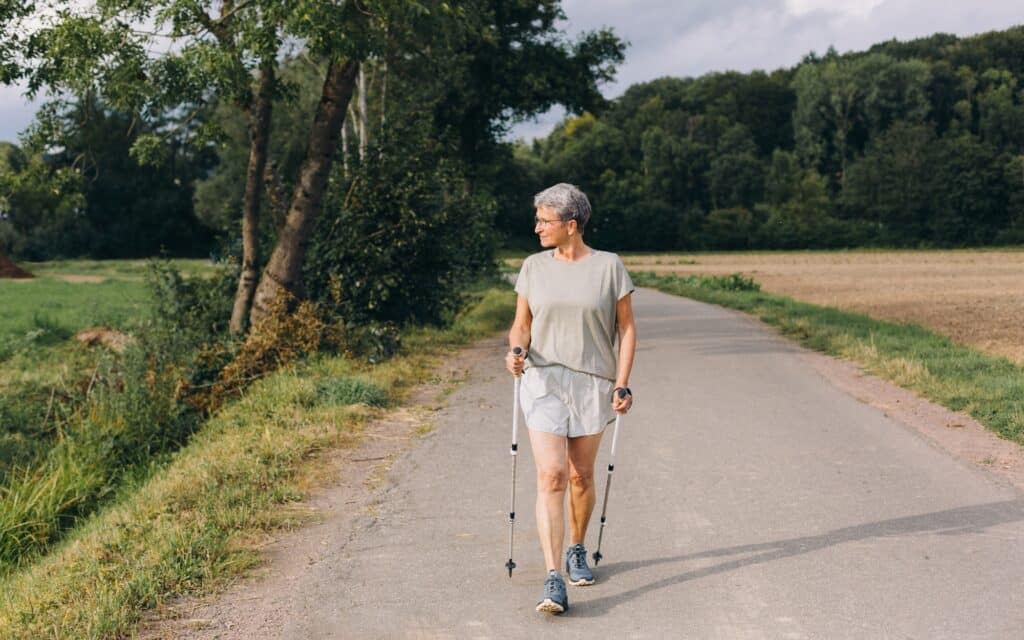
If you have had, or are about to have, lung cancer surgery in the UK, this guide is written for you. Whether your treatment involves a keyhole (VATS or robotic) lobectomy, segmentectomy, or a larger open procedure, the exercise you do afterwards plays a major role in how well and how quickly you recover.
When we say “exercise” here, we do not mean jumping straight into gym workouts. We mean simple breathing exercises, arm and leg exercises, posture checks, and walking. These activities support lung re-expansion, help prevent chest infections, reduce the risk of blood clots forming in the legs or lungs, and improve your overall quality of life during recovery.
The advice in this article is general. You should always follow the specific plan agreed with your thoracic surgeon and physiotherapist, because every patient’s situation is different. Mr Marco Scarci, consultant thoracic surgeon in London, routinely incorporates structured exercise and enhanced recovery into his lung cancer surgery care pathways, tailoring the programme to each individual.
Have a question about your diagnosis?
A consultation gives you a personalised plan — not a generic estimate.
Enhanced Recovery After Lung Cancer Surgery
Enhanced recovery (often called ERAS) is a modern approach to thoracic surgery that starts before the operation and continues through the ward stay, discharge home, and beyond. The goal is to reduce complications, shorten your hospital stay, and help you recover quicker by combining several evidence-based steps.
Enhanced recovery starts before surgery to improve outcomes. Patients are advised to stop smoking at least four weeks before surgery and to eat a balanced diet so the body is in the best possible condition for the operation. Nutrition is crucial; patients who are well-nourished heal faster and fight infection more effectively. Breathing and mobility exercises minimise post-operative complications, so many centres now offer prehabilitation programmes that include inspiratory muscle training and walking before the procedure.
In many hospitals, the aim is for patients to be out of bed, sitting upright and starting breathing exercises on the first morning after surgery. The patient’s active role is central: doing deep breathing exercises hourly while awake, walking with help, and performing leg and arm exercises as taught by the physiotherapy team. Research shows that this combination can reduce hospital stay by roughly 3.4 days compared with patients who are less active in the early postoperative period.
Early movement and exercise training are key predictors of a good recovery and shorter hospital stay.
"After two years of being told my symptoms were anxiety, Mr Scarci identified the problem immediately. The surgery was straightforward and I was discharged after three days. I only wish I had found him sooner."
Immediately After Surgery: First 24–72 Hours in Hospital
The first few days after lung cancer surgery focus on stabilising your condition, managing pain, and helping you begin moving safely. Although it may feel like a significant step, getting out of bed, practising breathing exercises, and walking short distances are all important parts of recovery and help reduce the risk of complications.
You will typically wake up in the high dependency unit or a specialist thoracic ward. Expect monitors tracking your heart rate, blood pressure and oxygen levels, plus an oxygen mask or nasal prongs, a urinary catheter, intravenous lines and one or more chest drains. It can feel overwhelming, but the team around you is experienced.
Physiotherapy usually begins the morning after surgery. Physiotherapists recommend breathing, circulation, and gentle mobility exercises from the outset. Physiotherapy aids recovery after lung cancer surgery by helping you sit out of bed, stand with support, and take a short corridor walk if your doctor confirms it is safe. Getting moving early promotes blood flow and aids digestive recovery and forms a key part of post-surgery recovery for lung cancer. Arm and leg exercises should begin from the first day post-surgery.
Pain relief, whether tablets, patient-controlled analgesia or nerve catheters, should be optimised so you can breathe deeply, cough effectively and move. Do not hesitate to ask for painkillers before a physiotherapy session. If pain is well managed, you will be able to do much more.
Breathing Exercises to Protect Your Lungs
Deep breathing exercises are essential from the first day to keep the remaining lung tissue open and clear. Start deep breathing exercises on the first day post-surgery. Deep breathing re-inflates small airways that collapse after anaesthesia, reducing the chance of lung collapse and chest infection.
Here is how to practise:
Sit as upright as you can in bed or a chair.
Breathe in slowly through your nose, taking the deepest breath you can manage.
Hold for two to three seconds.
Breathe out gently through pursed lips.
Repeat five to ten times every hour while awake.
Use incentive spirometers (such as a Spiroball device) to perform deep breathing and clear secretions if your team provides one. The visual feedback helps you track each deep breath and aim a little higher each session.
Clearing secretions prevents mucus accumulation and pneumonia. Patients should also practice huffing and coughing to clear their lungs – a strong “huff” from an open mouth shifts sputum from deeper airways. Support your wound with a folded towel or small pillow when you cough. Breathing exercises prevent lung collapse and chest infections after surgery, and the evidence behind this is strong: studies show roughly a 60–65 per cent reduction in postoperative pulmonary complications when breathing interventions are used, complementing the benefits of modern lung cancer surgery techniques and recovery pathways.
Leg Exercises and Blood Clot Prevention
When you spend long periods in bed or sitting in a chair after thoracic surgery, blood flow in your legs slows. Mobility exercises and walking help prevent blood clots after surgery – specifically deep vein thrombosis in the leg and pulmonary embolism in the lungs, which are important considerations discussed in broader insights on lung cancer surgery.
Simple leg exercises you can do every hour while awake include:
Ankle pumps – point your toes down, then pull them up towards your nose, ten times per foot.
Ankle circles – rotate each foot clockwise and anticlockwise, five circles each way.
Gentle knee bends – slide your heel along the bed towards your body, keeping the leg straight as you extend back, five times per leg.
Compression stockings and blood-thinning injections are typically used alongside exercise. Nurses may teach you to self-inject before you are discharged home. Once you are walking regularly on the ward, you can gradually reduce the frequency of pure bed-based leg exercises, but keep ankle pumps going whenever you are sitting for long stretches.
Arm and Shoulder Movement Around the Surgical Site
Shoulder and upper-back stiffness is very common after lung surgery, especially when the incision is between the ribs on the operated side. Gentle shoulder rolls and arm lifts prevent shoulder stiffness post-surgery, and the earlier you begin, the better.
Arm exercises should begin the day after surgery, even if chest drains are still in place, as long as the physiotherapist and nurses agree it is safe. Gentle movements restore range of motion and improve stamina after surgery. Start with:
Shoulder shrugs – lift your shoulders towards your ears, hold briefly, then slowly lower.
Shoulder rolls – circle both shoulders backwards five times.
Arm lifts – raise your arms forwards to shoulder height and back down, only as far as you feel comfortable.
Shoulder blade squeezes – draw your shoulder blades together behind you, hold for three seconds, release.
These exercises should stretch but not sharply hurt. If pain significantly increases, reduce the range and let your physiotherapist know. Include posture checks from day one: sit upright with shoulders gently back. This helps prevent a hunched posture that many patients develop unconsciously to guard their wound.
Not sure about your treatment options?
Mr Scarci provides expert consultations typically within one week of contact.
Your Exercise Routine on the Ward: Days 3–7
Most patients spend between three and seven days in hospital after keyhole lung cancer surgery, and longer after complex open procedures. Light mobility includes short walks several times a day during this period.
Exercise targets typically progress: from short, assisted walks to longer independent walks along the corridor and eventually stairs if appropriate. Chest drains are usually removed after two to three days once the lung has re-expanded, and walking and breathing exercises help reach this point sooner.
Aim for a daily routine: morning wash and dress (sitting or standing), sitting in a chair for meals, scheduled walks, and three to four short exercise sessions rather than one long one. Fatigue is normal. You will feel tired – sometimes profoundly – and that is expected. Balance activity with rest, and listen to physiotherapy advice about pacing.
Structured Walking Plan in Hospital
Early walking is the single best mobility exercise after surgery. Research shows that patients who walk at least ten metres on the first day after lung resection have significantly fewer complications, shorter drain durations and shorter hospital stays.
A simple framework:
Day | Target |
Day 1–2 | Walk to the end of the bay or a few metres along the corridor, two to three times |
Day 3–4 | Walk the full length of the ward corridor, three to four times |
Day 5–7 | Walk longer distances and practise stairs if cleared by physiotherapy |
Use the walk-talk test, walk at a pace where you can still speak in full sentences but feel mildly to moderately breathless. Use handrails, a walking aid or a relative’s arm for support if needed. Stair practice may begin once the physiotherapist is confident about your balance, pain control and oxygen levels.
Any sudden deterioration in breathlessness, chest pain or dizziness during walking should be reported immediately to nursing staff.
Continuing Breathing and Coughing Exercises
Deep breathing exercises and supported coughing remain hourly tasks while awake during the ward stay. Keep using your Spiroball or similar device until the team confirms it is no longer needed.
Phlegm may be thicker or more plentiful for several days. Regular breathing exercises are the safest way to clear this and prevent chest infections. If your sputum colour changes to dark yellow, green or blood-stained, especially with fever, report it as a possible chest infection without delay.
Take pain tablets before physiotherapy or longer walking sessions if discomfort is limiting your ability to breathe deeply. Adequate pain relief is not a luxury – it is a clinical necessity that directly affects your lung function and recovery.
Safe Progression of Arm Exercises
Arm exercises evolve during the ward stay. Start with small shoulder movements, then raise your arms higher as stitches heal and pain settles. Performing arm and shoulder exercises two to three times per day is ideal. Once both shoulders move symmetrically, you can reduce to once daily.
Most patients should not use light weights until at least four to six weeks post-operatively, and only after checking with their surgeon. Tightness around the incision is normal; sharp or worsening pain should be discussed with the physiotherapist or surgical team.
Keeping the neck and upper back mobile – gentle neck turns and chin tucks – supports good posture and breathing mechanics as your body adapts.
"I was diagnosed in March with a rare condition. My local hospital said it was inoperable due to the size of the mass. Mr Scarci reassured me the thymoma was resectable. I was booked for surgery the following week where he successfully removed the entire tumour."
Going Home: Exercise and Activity in the First 6 Weeks
Many patients are discharged home once they can walk safely, climb stairs, manage basic self-care and their chest drains have been removed or managed at home. For a detailed look at what to expect after leaving hospital, see the guide on recovery from lung cancer surgery.
It is entirely normal to feel tired, sore and sometimes short of breath at home, even if the hospital stay was relatively short. Resuming physical activity should be a gradual, phased process. The first six weeks focus on daily walking, regular breathing exercises, gentle arm and leg exercises, and protecting the healing wound.
Plan help at home with shopping, cooking and heavy housework so you can focus on recovery and safe exercise. Some patients also choose private thoracic surgery in London to benefit from more personalised follow-up and quicker access to care. Keep follow-up appointments – often four to six weeks after surgery in the UK – where your progress and exercise levels can be reviewed by the surgical team.
Daily Walking Plan at Home
Walking is encouraged to improve mobility after surgery, and walking is recommended daily to improve lung function. Start with distances similar to your ward walks – for example, two short outdoor walks each day in the first week at home, weather allowing, each lasting around five minutes.
Suggest gradually increasing either distance or time every few days, rather than both at once:
Week 1–2 at home: Walk to the end of the street and back, twice daily.
Week 3–4: Walk around the block or to a nearby shop, gradually increasing the route.
Week 5–6: Aim for 15–20 minute walks, at a comfortable pace.
Stopping to rest is fine. Breathlessness should settle within a couple of minutes when standing or sitting still. Avoid long, hilly walks, heavy rucksacks or walking in very cold, windy weather in the first month unless cleared by your team. Patients should gradually increase walking distance after surgery as their body allows.
Continuing Breathing Exercises to Avoid Chest Infection
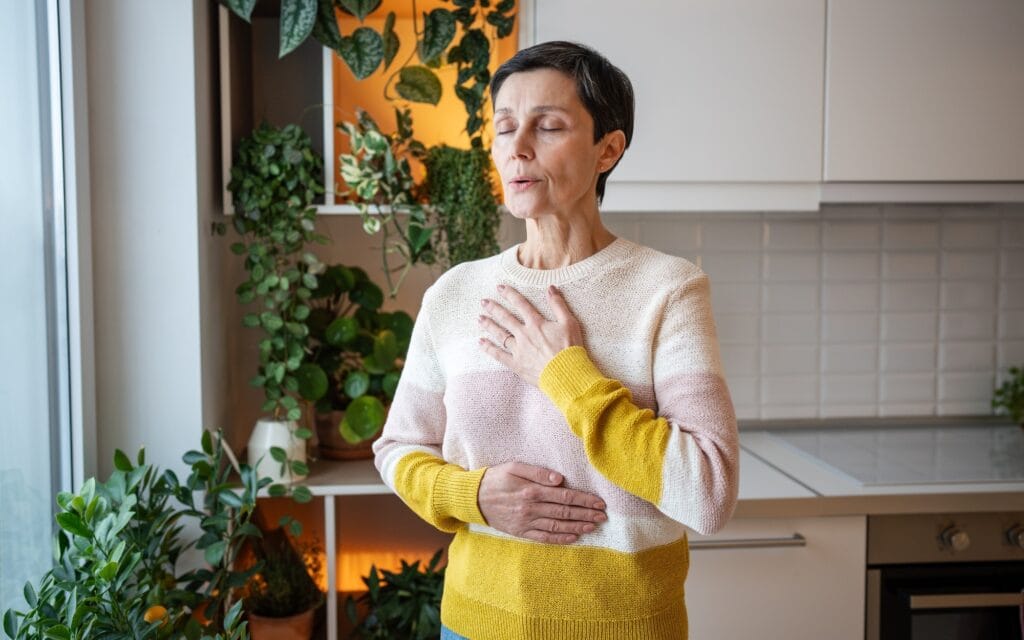
Most patients should continue daily deep breathing exercises for at least the first two to three weeks at home, then taper as breathing becomes easier. Deep breathing exercises help prevent chest infections post-surgery, so consistency matters.
Set simple reminders, for example, before or after each meal, to complete a short session of deep breathing exercises and supported coughing. Even a few minutes of practice each day can make a meaningful difference to your recovery. These exercises become especially important if you develop a cold or other viral infection while recovering, as lung surgery can temporarily make it harder for your body to clear mucus and fight infection.
Contact your healthcare team if you develop signs of a chest infection, such as a fever or chills, increasing breathlessness, a worsening cough or more sputum than usual, or chest pain when taking a deep breath. Early assessment and treatment can help prevent more serious complications.
Arm Exercises, Posture and Protecting Your Wound
Gentle arm and shoulder exercises should continue every day at home to prevent stiffness and maintain range of motion on the operated side. Avoid “guarding” – keeping that arm pinned to your body or leaning away from the wound – as this leads to muscular imbalance and longer-term problems.
Post-surgery, avoid lifting anything over two kilograms for six to eight weeks. This means no full shopping bags, heavy suitcases or lifting large pets until your surgeon confirms the wound heals well enough to handle the load.
Good posture is important: stand tall, shoulders gently back, chin level. Avoid long periods slumped in bed or on a sofa. Most wounds use dissolvable stitches. Follow dressing and showering advice, and seek help if the wound becomes red, hot or starts oozing.
Want a specialist opinion on your condition?
Get a clear answer from a surgeon who will be with you throughout.
Weeks 6–12 and Beyond: Building Strength and Fitness
From about six weeks onwards, many patients are ready to move from “recovery” exercise to more structured fitness work, depending on how much lung tissue was removed and their pre-surgery fitness. Positive experiences from other patients in testimonials about thoracic surgery care can also reassure you during this stage. By three to six months after lung cancer surgery, lung function and exercise tolerance are often significantly improved. Research shows typical functional changes at three months include a reduction of roughly 7–10 per cent in FEV₁ (a measure of airflow), 10–12 per cent in gas transfer capacity (DLCO), and 5–7 per cent in VO₂max (peak exercise capacity). These figures are manageable for most patients and continue to improve with training.
This stage may include returning to activities such as gentle cycling, swimming, yoga or supervised gym sessions after clearance from the surgical team. Patients who had a pneumonectomy or who have underlying COPD may need a slower and more carefully supervised programme, especially if their operation followed concerning lung cancer symptoms and early warning signs. Exercise training improves physical capacity after lung cancer surgery, and structured programmes similar to pulmonary rehabilitation have been shown to boost both capacity and quality of life.
Introducing More Structured Exercise Training
A typical exercise program after lung surgery combines three elements:
Component | Examples | Starting target |
Aerobic activity | Walking, cycling on a stationary exercise bike, light swimming | 10–20 minutes on most days, building towards 150 minutes per week |
Resistance training | Body weight squats, wall press-ups, resistance bands, later light weights | Two to three sessions per week, low load |
Breathing work | Deep breathing exercises, inspiratory muscle training | Daily, five to ten minutes |
Patients who were very active before diagnosis – runners, regular gym users – should still return gradually, often over several months. The temptation to push hard is understandable, but your muscles and chest wall need time.
If you feel you would benefit from extra support, ask your surgeon or GP about referral to a local pulmonary rehabilitation or cancer exercise programme. These are available across the NHS and provide supervised sessions with monitoring. Patients should consult their surgical team before advancing post-operative routines, and gaining medical clearance is essential before starting any exercise routine after surgery that goes beyond basic walking and breathing.
Managing Breathlessness, Fatigue and Setbacks
Some breathlessness on exertion is normal during the first three to six months, particularly after lobectomy or segmentectomy for lung cancer. It does not automatically mean something is wrong – your lungs are adapting to a smaller volume, much as they do after other thoracic procedures such as pneumothorax surgery.
Pacing yourself is an important part of recovery. Break larger tasks into smaller, more manageable steps, and take regular breaks before you become exhausted rather than waiting until you are completely tired.
If possible, plan more demanding activities for earlier in the day when your energy levels are usually highest. During exercise, use a simple breathlessness scale from 0 to 10 and aim to stay within the mild to moderate range (around 3 to 4), slowing down or resting if your symptoms become more severe.
Temporary setbacks such as infections, adjuvant chemotherapy or radiotherapy may require reducing exercise intensity and rebuilding slowly afterwards. This is not failure – it is a normal part of treatment and parallels the phased approach used when recovering from pneumothorax surgery. Contact your thoracic team if breathlessness worsens suddenly or does not improve with rest, as this may indicate complications that need attention.
General Advice, Safety and When to Seek Help
While exercise is generally beneficial after lung cancer surgery, safety must always come first. Here is some general advice to keep in mind throughout your recovery.
Stop exercise immediately and seek medical advice if you experience:
Sudden severe chest pain
Marked worsening of breathlessness that does not settle with rest
Dizziness or fainting
Coughing up significant fresh blood
Palpitations or irregular heart rate that does not resolve
Do not exercise if you feel acutely unwell with fever, severe cold or flu-like symptoms. Restart gradually once recovered.
Returning to everyday activities – driving, work, sexual activity and travel – varies between patients. Discuss timing at your follow-up appointments. Most people can drive again once they can perform an emergency stop without discomfort (often three to four weeks after VATS, longer after open surgery), but check with your insurer.
Patients under the care of Mr Marco Scarci are welcome to use follow-up consultations or virtual appointments to review their individual exercise plan, discuss any concerns and adjust the programme as needed. You should aim to exercise regularly on a regular basis as part of your daily routine once cleared – this is one of the most effective things you can do for long-term health after lung cancer treatment.
Have a question about your diagnosis?
A consultation gives you a personalised plan — not a generic estimate.
FAQ
When can I start exercising after lung cancer surgery?
Exercise usually starts within hours of waking from anaesthetic, with ankle pumps and breathing exercises, followed by sitting out of bed and short walks from day one if safe. More strenuous activities, such as gym workouts, swimming, or cycling, usually wait at least four to six weeks and need doctor clearance, with timing depending on the surgery and the patient’s health.
Will breathing exercises really make a difference to my recovery?
Yes. Both clinical evidence and everyday practice show that deep breathing exercises reduce the risk of chest infections, help the remaining lungs expand, and support clearing secretions. Patients who practise their breathing exercises regularly tend to clear sputum more easily, spend less time with chest drains, and often leave hospital sooner. These exercises are simple, quick, and safe when performed as taught – typically five to ten deep breaths every hour while awake – and they make a measurable difference to developing complications.
How hard should I push myself when walking at home?
Use the walk-talk rule: walk at a pace where conversation is possible, but your breathing feels slightly faster and deeper than at rest. Avoid pushing into severe breathlessness or chest pain. You should be able to recover to near-normal breathing within a couple of minutes of stopping. Increase distance or time by a small amount every few days rather than making large jumps. If you notice that you cannot walk as far as you could the day before, or that you feel tired well beyond what is normal for you, ease back and mention it at your next appointment.
Can I do arm exercises if I still have chest drains or feel pulling at the wound?
Gentle arm and shoulder movements are usually encouraged even while chest drains are in place, provided tubes are secured and staff have confirmed it is safe. A stretching or pulling sensation around the wound is common and does not necessarily mean harm, but sharp or sudden pain should prompt you to slow down and ask the physiotherapist for guidance. Tell the team immediately if you notice drainage bottles tipping, tubes pulling strongly, or any new air-leak sounds during movement. Once drains are removed, you can usually increase the range of your arm exercises more confidently.
What if I am worried about exercising because of other health problems?
People with heart disease, severe COPD, diabetes, or balance problems may need a tailored exercise plan after surgery. They should discuss these conditions with their thoracic surgeon, anaesthetist, and physiotherapist before leaving hospital so the programme can be adapted safely, including referral to supervised pulmonary or cardiac rehabilitation if needed.
