

If you or someone close to you is facing lung cancer surgery, one of the first practical questions is how long you will need to stay in hospital. The answer depends on the type of operation, the surgical approach used, your overall health, and how smoothly your recovery progresses.
This guide explains what patients and families can expect during a hospital stay after lung cancer surgery, from waking up in recovery and spending time on the thoracic ward to chest drain removal, pain management, mobilisation, discharge and the first stages of recovery at home.
Most patients stay in hospital for 3–7 days after lung cancer surgery. A stay after thoracic surgery using keyhole VATS or robotic techniques is typically shorter at around 3–5 days, while open surgery usually requires 5–7 days or more, and pneumonectomy may mean 7–10 days.
The first 12–24 hours after major surgery are often spent in a high dependency unit for close monitoring of heart rate, oxygen levels, and blood pressure before transfer to the thoracic ward.
Enhanced recovery, early walking, and regular deep breathing exercises can safely shorten hospital stay and reduce the risk of developing complications such as chest infection and blood clots.
Chest drains are usually removed 2–3 days after surgery once the remaining lung has fully re-expanded and fluid drainage has settled.
What to Expect After Lung Cancer Surgery
The typical journey after lung surgery follows a predictable sequence: you wake up in a recovery area, may spend time in a high dependency unit, move to the thoracic ward for monitoring and rehabilitation, are discharged home when safe, and then attend follow-up appointments in the weeks that follow. This forms part of the wider pathway of lung cancer surgery recovery, from pre-operative planning through to long-term follow-up.
Common lung cancer surgery types include lobectomy, segmentectomy, wedge resection, and pneumonectomy, each involving removal of a different amount of lung tissue. More extensive operations generally require a longer hospital stay and recovery period.
Recovery timelines can vary based on individual health and procedural differences. Your age, fitness level, smoking status, lung function, and whether your surgery is open or minimally invasive all play a role.
How Surgery Type Affects Hospital Stay
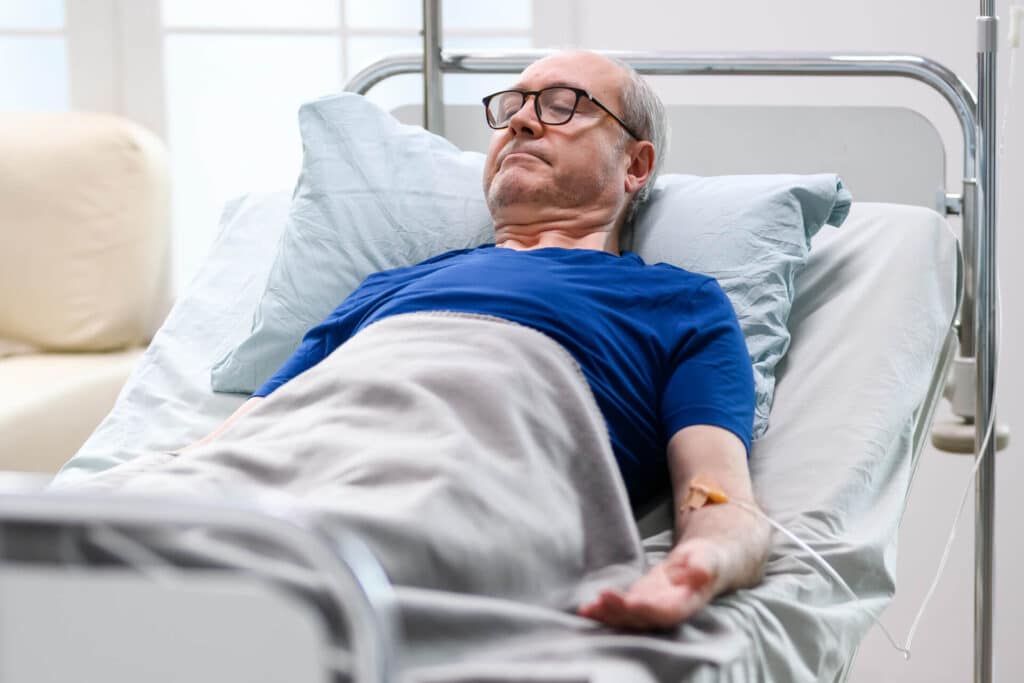
Under modern enhanced recovery pathways, the length of your stay after thoracic surgery depends primarily on the type of operation and whether it is performed using keyhole or open techniques.
The UK VIOLET randomised trial found a mean hospital stay of 5.6 days for VATS versus 7.2 days for open lobectomy, demonstrating the measurable effect that surgical approach can have on hospital stay.
For an uncomplicated recovery, typical estimates are:
VATS or robotic lobectomy: approximately 3–5 days
Open lobectomy or thoracotomy: approximately 5–7 days
Pneumonectomy: approximately 7–10 days
Wedge resection or diagnostic biopsy: approximately 1–3 days
Your time in hospital may include a night in a high dependency unit after major lung cancer surgery where clinically necessary, followed by further recovery on the thoracic ward.
Complications such as persistent air leaks, chest infection, blood clots or heart rhythm abnormalities can extend the hospital stay. Discharge is therefore based on meeting safety criteria rather than reaching a predetermined calendar date.
"After two years of being told my symptoms were anxiety, Mr Scarci identified the problem immediately. The surgery was straightforward and I was discharged after three days. I only wish I had found him sooner."
Immediate Recovery: Post-Anaesthesia Care Unit
Most patients wake up in the post-anaesthesia care unit (PACU) with close nursing supervision. Staff monitor heart rate, blood pressure, oxygen levels and pain scores during this initial phase.
Oxygen is typically given through a nasal tube or facemask, and it is completely normal to feel drowsy, cold or slightly confused for several hours as the anaesthetic wears off.
The typical duration in PACU is approximately 1–4 hours, although higher-risk patients may require longer monitoring before transfer to a high dependency unit or specialist thoracic ward. Relatives are usually updated once the patient is stable, although visiting and telephone-update policies vary between hospitals.
Pain management also starts here. This may include patient-controlled analgesia, where a PCA pump allows small doses of strong painkiller to be administered when needed, or regional nerve blocks.
Early pain relief is important because it allows you to take deep breaths and cough effectively from day zero, helping protect the lungs and reduce the risk of post-operative complications.
Not sure about your treatment options?
Mr Scarci provides expert consultations typically within one week of contact.
High Dependency Unit and Early Monitoring
A high dependency unit (HDU) provides closer nursing and continuous monitoring than a standard hospital ward. Many patients undergoing major lung cancer surgery spend the first 12–24 hours in this environment.
In the UK Pneumonectomy Outcome Study, 88.1% of patients were managed in a critical-care area following pneumonectomy. This figure relates specifically to pneumonectomy patients and should not be interpreted as meaning that every patient having lung surgery requires HDU care.
During HDU monitoring, you may have continuous heart and oxygen monitoring, intravenous lines, one or two chest drains, a urinary catheter and, in some cases, an arterial line for continuous blood pressure measurement.
Alarms, screens, and monitoring equipment are routine and do not necessarily indicate that something is wrong. Nurses and doctors monitor trends closely so that changes can be addressed quickly.
Transfer to the thoracic ward usually occurs once blood pressure and oxygen levels are stable, pain is adequately controlled, and there are no immediate post-operative complications. Some fitter patients undergoing minimally invasive lung cancer surgery can move directly from PACU to the thoracic ward where the surgical team considers this safe.
"After multiple failed consultations elsewhere, Mr Scarci identified exactly what was wrong and operated within two weeks. Recovery was smooth and I'm back to normal life."
Tubes, Chest Drains and Chest Tubes
After thoracic surgery, you will normally wake with several tubes and lines in place. These may include one or two chest drains, intravenous lines, a urinary catheter, and sometimes an epidural or paravertebral catheter for pain relief.
Chest tubes are used to drain excess air, blood, or fluid from the chest cavity. They also help maintain the pressure needed for the remaining lung to re-expand following lung resection such as lobectomy or segmentectomy.
Chest drains are typically removed 2–3 days after surgery when the lung has expanded satisfactorily on a chest X-ray and fluid drainage has reduced. After an open thoracotomy, removal may take slightly longer, sometimes until around day 3–5.
A stitch at the chest-drain site may be removed approximately 7–10 days later, either by the hospital team, a practice nurse or a district nurse after discharge.
Having a chest drain does not prevent mobilisation. Nurses and physiotherapists will show you how to walk safely while the drainage system remains attached.
In selected cases, a patient can be discharged with a small portable chest drain. Written instructions and appropriate nursing support are then arranged as part of post-surgery lung cancer recovery at home.
Have a question about your diagnosis?
A consultation gives you a personalised plan — not a generic estimate.
Pain Management in Hospital After Lung Cancer Surgery
Good pain control is essential after lung surgery. Effective pain relief allows you to breathe deeply, cough up secretions and mobilise earlier, all of which help reduce the risk of chest infection and blood clots.
A multimodal pain-management approach is commonly used. Depending on the operation and patient, this can include patient-controlled analgesia with morphine or another opioid, epidural or paravertebral blocks, local anaesthetic near the surgical site, and transition to oral medicines such as paracetamol, anti-inflammatory medication and occasionally oral opioids.
Pain is usually most intense during the first 48–72 hours and then begins to improve.
Nerve-related tingling, sensitivity or numbness around the surgical incision is common and usually settles over time. Patients may experience pain for 2–4 weeks after surgery, while some discomfort around the incision can continue for several months.
Managing pain effectively means reporting it early rather than trying to “put up with it”. Poorly controlled pain can discourage deep breathing and movement, potentially slowing recovery and prolonging the hospital stay.
Using a pillow to support the chest wall while coughing may also reduce discomfort. Where clinically appropriate, keyhole lung cancer surgery can reduce chest-wall trauma compared with a larger open incision.
Breathing Exercises and Physiotherapy on the Ward
Physiotherapy commonly begins within 24 hours of surgery. The physiotherapy team focuses on deep breathing, supported coughing, shoulder mobility, and gradually increasing walking distance.
Simple breathing exercises may involve breathing slowly through the nose, holding the breath for 2–3 seconds, and then exhaling gently. Some patients may also be asked to use an incentive spirometer or similar device to encourage full lung expansion.
These exercises are often repeated regularly while awake during the first few days.
Regular deep breathing and coughing are important for lung health after surgery because they help keep the lungs expanded and clear secretions that could otherwise contribute to pneumonia or collapsed lung segments.
Even when you feel tired, continuing the exercises is important. Physiotherapists may also recommend arm and shoulder movements to reduce stiffness around the operated side.
As recovery progresses, exercise after lung surgery becomes increasingly important for rebuilding stamina, breathing capacity and confidence.
Preventing Blood Clots and Other Early Complications
The main post-operative complications that can affect the hospital stay include chest infection, blood clots, persistent air leaks and heart rhythm disturbances.
Early mobility is usually encouraged within 24 hours of surgery. Walking, ankle exercises, compression stockings and blood-thinning injections may all be used to reduce the risk of deep vein thrombosis and pulmonary embolism.
Patients and families should recognise warning signs of a possible blood clot, including calf swelling, sudden chest pain or severe unexplained breathlessness.
Chest X-rays performed during the hospital stay help confirm lung expansion and support decisions about when chest drains can safely be removed.
If a complication develops, the hospital stay may extend beyond the initial estimate. The surgical team should explain what has happened, how the problem will be treated and whether it changes the expected recovery timeline.
Daily Life on the Thoracic Ward
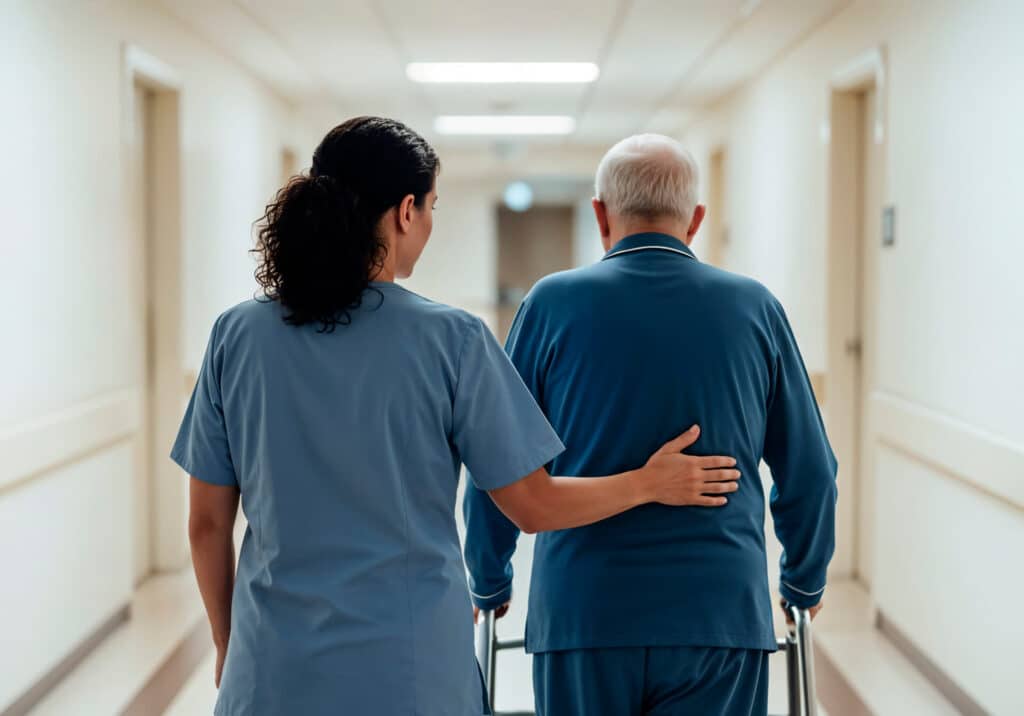
A typical day on the thoracic ward includes vital-sign checks, pain medication, physiotherapy, corridor walking and structured rest periods.
Most patients are encouraged to sit out of bed for meals from day 1 and to take short walks several times during the day. As strength improves, walking distance can gradually increase.
Where appropriate, patients may eventually work towards 20–30 minutes of walking at a time, although this depends on individual fitness and stage of recovery.
Self-care activities such as washing, dressing and gentle walking also help prepare patients for discharge.
Patients having private thoracic surgery may encounter the same enhanced recovery principles within an individually planned private-care pathway.
Eating, Drinking and Bowel Care in Hospital
Most patients can begin drinking on the same day as lung surgery and return to light meals within approximately 24 hours, depending on nausea, swallowing, and overall recovery.
Good nutrition supports healing. Protein-rich foods such as meat, fish, eggs, dairy products or alternatives can support wound repair, while carbohydrates and healthy fats provide energy.
A balanced diet containing vegetables, fruit and whole grains also supports general health and immune function.
Small, frequent meals can be easier to manage when appetite is reduced. Adequate hydration is also important, and many patients are encouraged to drink around 1.5–2 litres per day unless their clinical team recommends a different amount.
Constipation is particularly common because of opioid painkillers and reduced physical activity. Fluids, fibre-rich foods, walking and prescribed laxatives can all help.
Patients who lost significant weight or had poor appetite before their lung cancer surgery may benefit from review by a dietitian.
Enhanced Recovery Pathway and How It Shortens Hospital Stay
An enhanced recovery programme is a structured pathway designed to reduce the physical stress of surgery and support safe, earlier discharge.
Mr Scarci incorporates enhanced recovery principles into thoracic care where appropriate. These include pre-operative fitness and nutritional assessment, smoking cessation, optimised anaesthesia and pain control, early mobilisation, physiotherapy, early feeding and timely chest-drain removal.
A study examining division-wide implementation of enhanced recovery after thoracic surgery found that mean hospital stay fell from 6.2 days to 4.7 days after implementation, without an increase in adverse events or readmissions.
Smoking cessation also forms an important part of pre-operative preparation. Smoking can affect oxygen delivery, wound healing and respiratory function, so stopping before surgery is strongly encouraged. Nicotine replacement or formal smoking-cessation support may be useful where needed.
The patient’s active involvement matters as well. Following pain-relief instructions, completing breathing exercises, walking regularly and maintaining adequate nutrition can all contribute to smoother recovery.
Want a specialist opinion on your condition?
Get a clear answer from a surgeon who will be with you throughout.
Criteria for Discharge: When Is It Safe to Go Home?
Discharge is based on safety rather than a fixed number of days. The clinical team will usually want to see stable observations, satisfactory oxygen levels, adequate pain control using oral medication, appropriate eating and drinking, and safe mobilisation.
You should generally be able to manage basic activities such as washing, dressing and walking around the home, or have a reliable plan for assistance.
Chest drains are removed before discharge in most cases, although selected patients can go home with a portable drain where appropriate monitoring and nursing arrangements are available.
Discharge planning begins early during the hospital stay. This includes organising pain medication, transport, written discharge instructions and community nursing support if required.
Any concerns about coping at home should be raised with the ward team or specialist nurse before leaving hospital.
Planning Support at Home and the Role of the District Nurse
Practical preparation before surgery can make the early recovery period easier.
Arrange reliable transport home and consider whether you will need help with shopping, cooking, housework or childcare during the first few weeks. If possible, having a family member or friend available during the first few nights can be reassuring.
Medication and basic household supplies should also be organised before surgery where possible.
In the UK, a district nurse may be involved with wound checks, stitch or clip removal, or ongoing management of a chest drain that remains in place.
If you live alone or have limited support, tell your surgical team before the operation so that appropriate nursing or social support can be considered before discharge.
First Days at Home After Lung Surgery
The first 1–2 weeks at home are a continuation of the recovery that began in hospital. It is normal to feel tired and sore and to notice that breathing and energy improve gradually rather than immediately.
Fatigue and reduced appetite can continue for several weeks.
Continue deep breathing exercises and take short walks several times each day, building distance gradually. Take pain medication according to your treatment plan rather than waiting until pain becomes severe.
Some breathlessness on exertion is expected following lung resection, but sudden or severe breathlessness requires urgent medical assessment.
Heavy lifting and strenuous exercise are often restricted for approximately 4–6 weeks, depending on the procedure and surgeon’s advice. Return to work may take anywhere from 6 weeks to 3 months, particularly for physically demanding occupations.
Overall recovery after thoracic surgery often takes around 6–12 weeks for many normal activities, although full recovery can take 3–6 months after more extensive lung surgery.
Follow-Up Appointments After Lung Cancer Surgery
Follow-up appointments often begin around 1–3 weeks after surgery for wound or drain-site review, with a more detailed surgical follow-up generally occurring within approximately 2–6 weeks, depending on the procedure and local pathway.
During follow-up, the surgical team reviews recovery and incision healing, discusses pathology results, considers whether additional chemotherapy or radiotherapy may be required, and advises on return to work and physical activity.
A chest X-ray or CT scan may also be arranged where appropriate to assess lung expansion, healing or ongoing cancer surveillance.
Attending follow-up appointments remains important even if you feel well, because they provide an opportunity to identify complications and coordinate further cancer treatment.
Virtual consultations are available where suitable, which can help UK and international patients who cannot easily travel.
The longer-term pathway can include structured follow-up after lung surgery with imaging, clinical reviews and monitoring for warning signs.
When to Seek Medical Help After Discharge
Seek urgent medical help if you develop sudden worsening breathlessness, severe or new chest pain, coughing up a large amount of blood, a significant fever, or symptoms suggesting a blood clot, such as calf swelling combined with sudden shortness of breath.
Signs of wound infection include rapidly increasing redness, warmth, pus, wound separation or an unpleasant smell from the incision.
For less urgent concerns, such as a mild increase in pain, questions about medication or uncertainty about whether your recovery is progressing normally, contact your GP surgery, thoracic ward or specialist nurse.
Some numbness around the wound, mild fatigue, and gradual discomfort are common after major surgery, but rapidly worsening symptoms or symptoms that feel significantly different should be assessed.
Keep the contact numbers supplied at discharge somewhere easily accessible at home.
Emotional and Practical Adjustment After Lung Cancer Surgery
Lung cancer and major surgery can be emotionally challenging. Many patients experience anxiety, frustration or periods of low mood while recovering from the physical stress of an operation and uncertainty about the future.
Some patients become frustrated by the pace of recovery, experience a “boom-and-bust” pattern of doing too much on a good day and feeling exhausted afterwards, or become anxious about cancer recurrence and scan results.
Talking about these feelings can help. Counselling, cancer-support services and patient groups can provide emotional support during recovery.
Simple strategies such as pacing activities, taking planned rest periods, setting achievable daily goals and recording gradual improvements can help patients recognise progress.
Support from a multidisciplinary thoracic team can also help coordinate care with GPs, oncology teams, physiotherapists and psychological support services where necessary.
How Mr Marco Scarci and His Team Support Your Recovery
Mr Marco Scarci is a consultant thoracic surgeon in London specialising in minimally invasive lung cancer surgery, including VATS and robotic surgery.
Where clinically appropriate, these approaches can reduce chest-wall trauma, post-operative pain and recovery time compared with traditional open surgery.
His treatment pathway can include pre-operative assessment in person or virtually, discussion of the expected hospital stay, modern surgical techniques, enhanced recovery principles, early mobilisation, proactive pain management and close monitoring for post-operative complications.
Patients receive discharge planning and follow-up guidance, with coordination between the hospital team, GPs and district nurses where required.
For patients who have been diagnosed with lung cancer or are uncertain about a proposed operation, a second opinion can help clarify the diagnosis, surgical options, expected recovery and alternatives before deciding whether to proceed.
Frequently Asked Questions
How soon after lung cancer surgery will I be able to walk?
Most patients are encouraged to sit out of bed and walk a short distance within 24 hours of surgery, sometimes on the same day. Early, gentle movement helps reduce the risk of chest infections and blood clots, and ward staff will support you while drains or drips are still in place. Frequent short walks are generally more beneficial than overexerting yourself.
Does minimally invasive keyhole lung surgery always mean a shorter hospital stay?
Keyhole approaches, including VATS and robotic surgery, often support a shorter hospital stay and faster recovery than open surgery because they use smaller incisions. However, recovery also depends on your fitness, lung function, the extent of surgery and whether complications arise. The approach recommended will always prioritise safe, effective treatment.
Can I be discharged home if I live alone?
Living alone does not necessarily prevent you from going home after surgery, but it is important to plan ahead. Your hospital team can help arrange suitable support from community services, friends or family for practical tasks such as shopping, cleaning, transport and collecting medication.
Will I need rehabilitation after lung cancer surgery?
Everyone is usually given breathing and walking exercises to continue at home after surgery. Some patients may also benefit from a structured pulmonary rehabilitation programme to build stamina, manage breathlessness and return gradually to everyday activities, depending on their lung health, the type of surgery and recovery needs.
How long after lung surgery until I feel “back to normal”?
Many patients improve steadily over the first 6–12 weeks, with keyhole surgery often allowing an earlier return to light activities and work. Recovery can take several months after more extensive open surgery, and some breathlessness during heavier activity may persist. Focus on gradual progress and speak to your surgeon or specialist nurse if recovery feels slower than expected.
