

Immunotherapy for lung cancer has changed what is possible for patients facing surgery. Treatments that harness your own immune system to find and destroy cancer cells are now given before and after operations, helping to improve long-term outcomes in ways that were not available even a decade ago.
This guide explains how immunotherapy works, when it is used around lung cancer surgery, what to expect during treatment, and how it fits into a personalised care plan. Whether you are newly diagnosed, awaiting surgery, or supporting someone through treatment, the information here will help you understand your options clearly.
Immunotherapy can be given before surgery (neoadjuvant) and after surgery (adjuvant) to improve long-term control of non-small cell lung cancer (NSCLC), using your own immune system, especially T cells, to recognise and destroy cancer cells that remain after the operation or have spread beyond the lung.
Immune checkpoint inhibitors such as nivolumab, pembrolizumab, atezolizumab and durvalumab are now routinely used around surgery for selected early-stage and Stage III NSCLC, while options for small cell lung cancer remain more limited and are mostly used with chemotherapy in extensive-stage disease.
Not every patient is suitable for immunotherapy. Biomarkers, PD-L1 status, gene mutations, autoimmune conditions and overall fitness all matter, so decisions are personalised through a multidisciplinary team (MDT).
Modern clinical trials have shown that adding immunotherapy to chemotherapy before surgery can increase the chance of a pathological complete response from around 2% to 24%, meaning no visible cancer cells remain at the time of resection.
Understanding Your Immune System and Lung Cancer
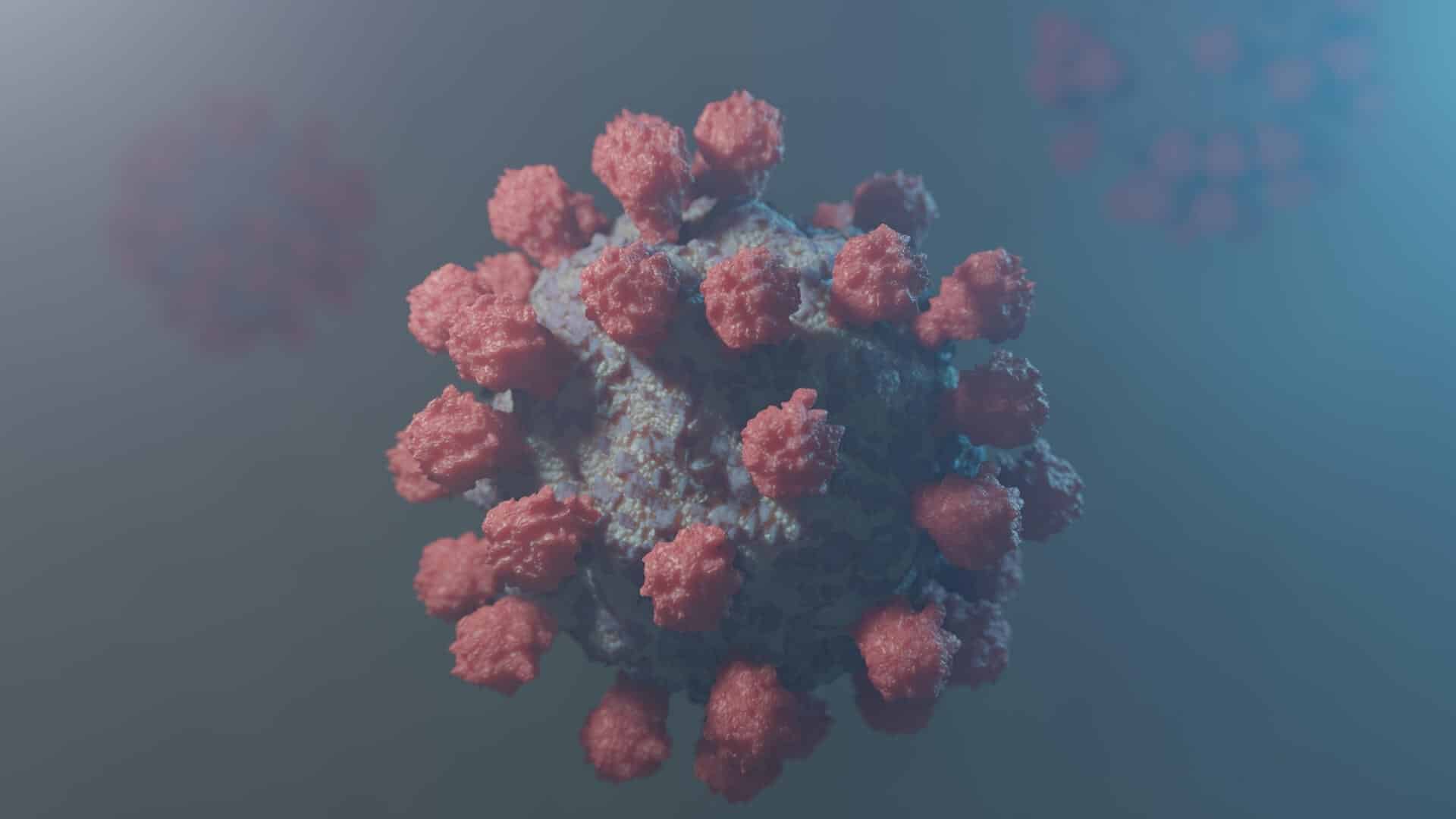
Your immune system is a complex network of cells, tissues and organs that work together to defend your body against infections and abnormal cells. It acts as a surveillance system, constantly checking for threats and responding when something harmful is detected.
Several types of immune cells are central to this defence. T cells are responsible for directly attacking infected or abnormal cells. B cells produce antibodies that mark threats for destruction. Natural killer (NK) cells provide a rapid response against cells that appear dangerous.
These cells are formed in the bone marrow and mature in organs such as the thymus, and they circulate through lymph nodes, the spleen and blood vessels.
Your immune system distinguishes between “self” and “non-self” by reading specific proteins and antigens on cell surfaces. This is how your body’s immune system protects you from foreign invaders.
However, cancer cells can sometimes disguise themselves. Because lung cancer cells originate from your own normal cells, they can look similar to healthy cells, hiding from the immune attack that would normally eliminate them.
When abnormal cells in the lung learn to grow uncontrollably and evade detection, cancer develops. This is exactly why immunotherapy is needed: to strip away the disguise and allow your immune system to do its job.
Want a specialist opinion on your condition?
Get a clear answer from a surgeon who will be with you throughout.
What Is Lung Cancer? Types and Stages
Lung cancer is the most commonly diagnosed cancer worldwide. In 2022, approximately 2.6 million people were diagnosed with lung cancer globally, with around 1.9 million deaths attributed to the disease each year. In the UK, it remains one of the leading causes of cancer death.
There are two main types:
Non-small cell lung cancer (NSCLC) accounts for about 80–85% of all lung cancers. It tends to grow more slowly and includes subtypes such as adenocarcinoma, squamous cell carcinoma and large cell carcinoma.
Small cell lung cancer (SCLC) makes up roughly 15–20% of cases. It is typically more aggressive and spreads earlier. Surgery is rarely used except in very early-stage small cell lung disease.
Lung cancer staging determines treatment. NSCLC is staged from I to IV, while SCLC is classified as limited or extensive stage.
Early-stage NSCLC, including Stages I–IIIA in selected patients, is often potentially curable with surgery plus systemic treatment. More advanced stages usually need combinations of systemic therapies, including immunotherapy, from the outset.
Understanding lung cancer symptoms and catching the disease early through screening can make a significant difference to the available treatment options.
"I had rib pain for 6 years, was bounced around NHS without diagnosis. I was recommended to Mr Scarci — at consultation within minutes he knew what the problem was. Was offered surgery date the next week. 2 weeks post surgery I am almost back to full health."
Basics of Immunotherapy for Lung Cancer
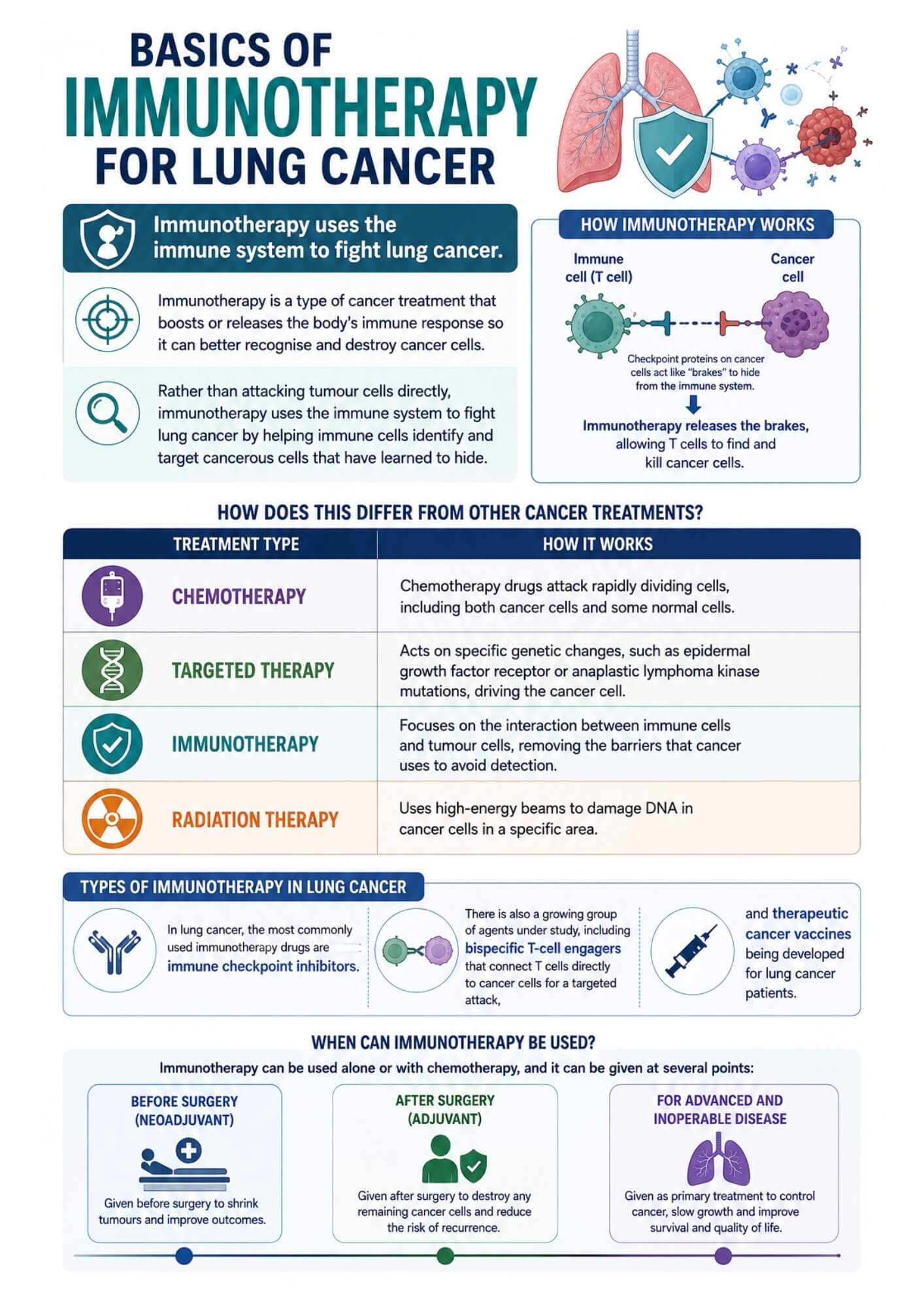
Immunotherapy uses the immune system to fight lung cancer.
Immunotherapy is a type of cancer treatment that boosts or releases the body’s immune response so it can better recognise and destroy cancer cells.
Rather than attacking tumour cells directly, immunotherapy uses the immune system to fight lung cancer by helping immune cells identify and target cancerous cells that have learned to hide.
How does this differ from other cancer treatments?
Treatment Type | How It Works |
Chemotherapy | Chemotherapy drugs attack rapidly dividing cells, including both cancer cells and some normal cells |
Targeted therapy | Acts on specific genetic changes, such as epidermal growth factor receptor or anaplastic lymphoma kinase mutations, driving the cancer cell |
Immunotherapy | Focuses on the interaction between immune cells and tumour cells, removing the barriers that cancer uses to avoid detection |
Radiation therapy | Uses high-energy beams to damage DNA in cancer cells in a specific area |
In lung cancer, the most commonly used immunotherapy drugs are immune checkpoint inhibitors.
There is also a growing group of agents under study, including bispecific T-cell engagers that connect T cells directly to cancer cells for a targeted attack, and therapeutic cancer vaccines being developed for lung cancer patients.
Immunotherapy can be used alone or with chemotherapy, and it can be given at several points: before surgery (neoadjuvant), after surgery (adjuvant), or for advanced and inoperable disease.
Not sure about your treatment options?
Mr Scarci provides expert consultations typically within one week of contact.
How Immune Checkpoint Inhibitors Work
Immune checkpoints are natural safety switches built into your immune system. They prevent T cells from attacking normal cells and causing unnecessary damage.
However, cancer cells exploit these same checkpoints to turn the immune system off, allowing them to grow unchecked.
The most important pathway involves two specific proteins:
PD-1, or programmed cell death protein, sits on the surface of T cells.
PD-L1, or programmed cell death ligand, is found on some normal cells and on many cancer cells.
When PD-L1 on a cancer cell binds to PD-1 on a T cell, it sends a “stop” signal. The T cell switches off, and the cancer cell escapes destruction.
Immune checkpoint inhibitors work by blocking this interaction. PD-1 inhibitors, such as nivolumab, pembrolizumab and cemiplimab, and PD-L1 inhibitors, such as atezolizumab and durvalumab, prevent the binding, allowing T cells to stay active and attack lung cancer cells.
Researchers are also testing next-generation checkpoint targets such as LAG-3 and TIGIT, as well as combinations with CTLA-4 inhibitors. These are being studied in clinical trials for patients whose cancer does not respond to standard checkpoint inhibitors.
"Dr. Marco Scarci is a deeply knowledgeable, open-minded, and empathetic surgeon. He listens to details and solves problems to truly deliver the most optimal results. As a medical professional myself, I can tell you that finding a specialist like Dr. Scarci is very rare, and it is a privilege to have him in my corner."
When Is Immunotherapy Used for Lung Cancer?
Lung cancer immunotherapy is now used at multiple points in the treatment journey:
Neoadjuvant, before surgery: Immunotherapy with chemotherapy is given to shrink the tumour and reduce recurrence risk in resectable NSCLC.
Adjuvant, after surgery: Immunotherapy can target microscopic cancer cells that may have been left behind, lowering the chance of the cancer returning.
First-line treatment for advanced disease: For patients who are not surgical candidates, immunotherapy is often part of the initial systemic treatment plan.
Later-line therapy: Some immunotherapy drugs are used to treat lung cancer that has progressed after prior treatment with other approaches.
Immunotherapy is effective for non-small cell lung cancer and small cell lung cancer, although the contexts differ.
For SCLC, immunotherapy is usually given with platinum chemotherapy in extensive-stage disease, while surgery is rarely used except for very early limited-stage tumours.
In all settings, the use of immunotherapy is guided by tumour stage, PD-L1 level, specific gene mutations and general health. Not all lung cancers will benefit equally.
Have a question about your diagnosis?
A consultation gives you a personalised plan — not a generic estimate.
Immunotherapy Before Lung Cancer Surgery (Neoadjuvant)
Neoadjuvant therapy is treatment given before surgery to control the main lung tumour and any early spread that may not yet be visible on scans.
The goal is threefold: shrink the tumour to increase the chance of complete resection, reduce the likelihood of microscopic cancer cells surviving, and allow the immune system to “learn” what the cancer looks like so it can continue fighting after surgery.
Modern neoadjuvant regimens for resectable NSCLC typically combine an immune checkpoint inhibitor, often nivolumab or pembrolizumab, with platinum-based chemotherapy for several cycles before planned surgery.
The evidence is compelling. The CheckMate 816 trial randomised 358 patients with resectable Stage IB–IIIA NSCLC to receive nivolumab plus chemotherapy or chemotherapy alone before surgery.
The results showed:
Pathological complete response in 24% of the immunotherapy group versus 2.2% with chemotherapy alone
Median event-free survival of 43.8 months versus 18.4 months at four-year follow-up
No significant increase in surgical complications, with more minimally invasive resections in the immunotherapy arm
In the UK, neoadjuvant immunotherapy is planned through MDT discussion.
Imaging with CT and PET-CT is scheduled around treatment cycles, and surgery is typically booked after treatment to allow any significant side effects to resolve. The healthcare team monitors closely for immune-related adverse events that might delay the operation.
The role of surgery itself depends on the stage and anatomy of the tumour, with several lung cancer surgery options available for appropriately selected patients.
Immunotherapy After Lung Cancer Surgery (Adjuvant)
Adjuvant treatment is given after surgery to kill cancer cells that may be too small to see on scans or pathology.
Even after a successful operation, there is a risk that microscopic disease remains, and adjuvant therapy aims to lower this risk.
In 2026, patients most likely to be offered adjuvant immunotherapy have Stage II–III NSCLC and, in some cases, high-risk Stage IB disease. Eligibility depends heavily on PD-L1 expression.
In the UK, NICE guidance has approved atezolizumab as adjuvant treatment for eligible patients following resection and chemotherapy.
A typical adjuvant pathway involves:
Complete surgical resection
A course of platinum-based chemotherapy
A checkpoint inhibitor such as atezolizumab when indicated
The IMpower010 trial showed that adjuvant atezolizumab reduced the risk of disease recurrence in selected patients.
Immunotherapy can provide durable and long-lasting responses, which is why this approach is now part of standard cancer treatment for eligible patients.
The decision is closely linked to chemotherapy after lung surgery, because chemotherapy and immunotherapy may form different stages of the same treatment pathway.
Follow-up typically includes regular CT scans, blood tests for thyroid and liver function, and specific monitoring for immune-related side effects that may appear months into immunotherapy treatment.
Want a specialist opinion on your condition?
Get a clear answer from a surgeon who will be with you throughout.
Immunotherapy for Advanced or Inoperable Lung Cancer
Many lung cancer patients are diagnosed when surgery is not an option, either because the disease has spread or the tumour is not resectable.
In these situations, immunotherapy becomes part of first-line treatment or later systemic therapy.
For advanced NSCLC without targetable mutations, options include:
Pembrolizumab alone as first-line treatment for selected tumours with very high PD-L1 expression
Pembrolizumab plus platinum-based chemotherapy when PD-L1 is lower
Durvalumab after chemoradiotherapy for unresectable Stage III NSCLC, based on the PACIFIC trial
Immunotherapy can improve outcomes in selected patients with advanced lung cancer compared with older treatment approaches.
Patients whose cancers carry certain gene changes, including epidermal growth factor receptor, anaplastic lymphoma kinase, ROS1, MET, RET, KRAS, NTRK or BRAF alterations, may receive targeted therapies before or instead of immunotherapy because these drugs specifically address the cancer’s molecular driver.
For small cell lung cancer, atezolizumab or durvalumab with platinum-etoposide chemotherapy is used in extensive-stage disease. Surgery plays almost no role in this setting.
For patients exploring non-surgical lung cancer options, immunotherapy, chemotherapy and radiation therapy may all form part of treatment.
The goals in advanced disease are slowing tumour growth, relieving symptoms such as cough and breathlessness, and extending life while maintaining quality of life.
How Immunotherapy Fits with Surgery and Other Treatments
Lung cancer treatment is usually multimodal, combining several approaches in a sequence tailored to the individual.
Immunotherapy rarely works in isolation. Its greatest impact often comes when integrated with surgery, chemotherapy and sometimes radiation therapy.
Common treatment pathways include:
Pathway A: Neoadjuvant immunotherapy + chemotherapy → minimally invasive lung resection, such as VATS lobectomy → adjuvant treatment where indicated.
Pathway B: Surgery first → adjuvant chemotherapy → adjuvant immunotherapy based on pathology and biomarker results.
Pathway C: Concurrent chemoradiotherapy → maintenance treatment with durvalumab for unresectable Stage III disease.
The multidisciplinary team, including the thoracic surgeon, medical oncologist, respiratory physician, radiologist, pathologist and specialist nurses, agrees on the order of treatments and ensures safe handover between each phase.
Radiotherapy may be integrated where needed, including post-operative treatment in selected situations or stereotactic ablative radiotherapy for small lung tumours in patients who are not fit for surgery.
Mr Marco Scarci’s Approach to Immunotherapy and Lung Cancer Surgery
At his London practice, Mr Marco Scarci integrates systemic therapies with advanced lung cancer surgery to give patients an individualised treatment pathway.
His focus on keyhole lung cancer surgery and robotic lung cancer surgery means that minimally invasive techniques can be considered where clinically appropriate.
Keyhole and robotic-assisted surgery are important in thoracic surgery because smaller incisions may reduce post-operative pain and support recovery between different phases of cancer treatment.
Every patient is assessed thoroughly by a dedicated multidisciplinary thoracic team.
Assessment may include:
Detailed clinical history and lung-function tests
Imaging with CT and PET-CT
Bronchoscopy and tissue biopsy with molecular and PD-L1 testing
Liquid biopsy where tissue is difficult to obtain
Surgery is performed by Mr Scarci, while systemic treatment, including immunotherapy, chemotherapy and targeted therapies, is delivered by collaborating medical oncologists.
Joint MDT planning ensures that every decision reflects the best available molecular information and the patient’s own goals.
For international and private patients, the practice offers rapid-access appointments, virtual consultations, coordination of diagnostics and treatment schedules, and clear communication about risks, benefits and alternatives at every step.
Where appropriate, private thoracic surgery may also form part of this pathway.
Receiving Immunotherapy: What Patients Can Expect
Immunotherapy is usually administered as an outpatient intravenous infusion in a day unit.
Most appointments last a few hours, including preparation, the infusion itself and a short observation period afterwards.
Typical schedules for lung cancer immunotherapy drugs include:
Drug | Common Schedule |
Pembrolizumab | Every 3 or 6 weeks |
Nivolumab | Every 2 or 4 weeks |
Atezolizumab | Every 2, 3 or 4 weeks |
Durvalumab | Every 2 or 4 weeks |
Before each cycle, blood tests check liver, kidney and thyroid function, along with a full blood count looking at white blood cells and other blood-cell levels.
Your healthcare team will also review symptoms to detect immune-related side effects early.
Treatment length is typically limited, commonly up to one to two years in adjuvant and advanced settings, unless there is disease progression or unacceptable toxicity.
Importantly, some benefit may continue even after stopping the immunotherapy drug because the immune response can persist.
Infusion reactions can occasionally mimic allergic reactions during treatment, so staff monitor you closely during and immediately after each session.
Not sure about your treatment options?
Mr Scarci provides expert consultations typically within one week of contact.
Side Effects of Immunotherapy Around the Time of Surgery
Immunotherapy side effects differ from chemotherapy. There is generally less hair loss and nausea.
However, because these drugs activate your own immune system, side effects can be serious when the immune system attacks healthy tissues. Vigilance is essential.
Common side effects of immunotherapy include fatigue, skin rashes and diarrhoea.
More serious immune-related side effects include:
Pneumonitis, or lung inflammation, which is particularly important after lung surgery
Colitis, or bowel inflammation
Hepatitis, or liver inflammation
Thyroid and other hormone-gland problems
Skin reactions
Immunotherapy can cause adverse effects because of immune-system activation, and some effects may occur after treatment has finished.
Timing matters. Inflammation in the lungs or heart during the perioperative period can complicate anaesthesia and recovery, so teams carefully schedule treatment and watch for symptoms.
Management usually involves pausing immunotherapy, prescribing corticosteroids or other immunosuppressants, and sometimes stopping the drug permanently if toxicity is severe.
Patients should report new symptoms quickly, including a new cough, increased breathlessness after surgery, severe fatigue, jaundice or significant mood changes, so treatment can be adjusted safely.
Tests on Cancer Cells: Biomarkers, PD-L1 and Gene Changes
Modern lung cancer treatment is highly personalised. Biomarker testing helps determine suitability for immunotherapy, while molecular information can significantly change the recommended treatment pathway.
PD-L1 Testing
Pathologists measure the percentage of tumour cells expressing the PD-L1 protein.
Higher levels can predict a greater likelihood of response to certain checkpoint inhibitors. Lower PD-L1 levels do not automatically rule out benefit, but they can change how treatment is planned.
Gene Changes
Key mutations and alterations tested may include:
Epidermal growth factor receptor (EGFR)
Anaplastic lymphoma kinase (ALK)
ROS1
MET exon 14 skipping
RET fusions
KRAS, including KRAS G12C
NTRK fusions
BRAF V600E
When targetable molecular changes are present, targeted therapies may be preferred at particular stages of treatment because they act directly on those cancer-driving alterations.
Different immunotherapy drugs may still be considered depending on the cancer, treatment history and available options.
Liquid Biopsy
When tissue is difficult to obtain, a liquid biopsy can use a blood sample to detect circulating tumour DNA.
This can serve as an alternative or complement to tissue biopsy and is also being studied as a way of monitoring minimal residual disease after surgery.
Have a question about your diagnosis?
A consultation gives you a personalised plan — not a generic estimate.
Who Is a Candidate for Immunotherapy Before or After Surgery?
Eligibility for perioperative immunotherapy depends on several factors.
These include:
Lung cancer type: Usually NSCLC
Stage: Commonly selected resectable stages where perioperative treatment is indicated
Resectability: The tumour must be surgically removable when surgery forms part of the pathway
PD-L1 expression: This can influence the role of particular immunotherapy drugs
Driver mutations: EGFR, ALK and other targetable alterations can change treatment selection
Overall fitness: Adequate lung and heart function and an appropriate performance status
Immunotherapy may not be suitable for some patients with significant active autoimmune disease, prior organ transplantation, uncontrolled infection or other conditions that substantially increase treatment risk.
For small cell lung cancer, surgery is only occasionally an option. When it is, chemotherapy and sometimes radiotherapy are normally given afterwards. Immunotherapy in the perioperative SCLC setting remains an area of ongoing research.
Age alone is not a barrier. Decisions are based on performance status, other illnesses, cancer biology and patient preferences.
Candidacy is always an individualised decision made with your thoracic surgeon and oncologist, rather than a one-size-fits-all rule.
A thoracic surgery consultation can help determine how stage, previous treatments and general health influence surgical suitability.
Comparing Immunotherapy with Other Lung Cancer Treatments
Each treatment type plays a distinct role in treating lung cancer:
Treatment | Mechanism | Key Advantage |
Surgery | Physically removes the tumour | Complete removal of existing cancer when resectable |
Radiation therapy | High-energy beams destroy cancer cells locally | Targets specific areas without surgery |
Chemotherapy | Kills rapidly dividing cells, including some healthy cells | Treats microscopic or widespread disease |
Immunotherapy | Boosts immune response to find and kill cancer cells | Potential for durable, long-lasting control |
Targeted therapies | Block specific proteins or molecular changes driving cancer | Highly effective in suitable biomarker-positive tumours |
Advantages of immunotherapy in suitable patients include the potential for durable control that persists even after treatment stops, a different side-effect profile from chemotherapy, and the possibility of combining systemic treatment with surgery in potentially curative treatment pathways.
Limitations also exist. It does not work for every lung cancer patient; responses may take time to develop; side effects can be delayed and unpredictable; and targeted therapies remain particularly important in certain biomarker-defined lung cancers.
The most effective cancer treatments often use a combination of approaches rather than immunotherapy alone, bringing together lung cancer surgery techniques, radiotherapy, chemotherapy drug regimens and the body’s immune response.
Want a specialist opinion on your condition?
Get a clear answer from a surgeon who will be with you throughout.
Life During and After Immunotherapy and Surgery
Recovery after minimally invasive lung surgery typically involves a hospital stay, breathing exercises and a gradual return to normal activity over several weeks.
Immunotherapy fits into this recovery carefully. Treatment may start or restart once the surgical team is satisfied that recovery is progressing appropriately and any immediate complications have been addressed.
Practical advice during this period includes:
Stop smoking, which can support healing and lung health
Gentle physical activity to gradually rebuild fitness
Balanced nutrition to support recovery
Vaccinations, including influenza or pneumococcal vaccination where appropriate, discussed with your care team
Emotional wellbeing matters too.
Anxiety about scans and recurrence is common, and adjusting to life after lung cancer takes time. Psychological support, patient groups and specialist nurses can all help.
Long-term follow-up with both the surgical and oncology teams is standard. Regular imaging and check-ups help detect recurrence or late side effects so that further assessment can take place promptly.
Clinical Trials and Emerging Treatments
Clinical trials study new immunotherapy approaches for lung cancer and remain an important driver of progress in this field.
Trials may be available at different stages of lung cancer treatment, from newly diagnosed early-stage disease to advanced cancer that has progressed after previous therapies.
Current research areas include:
Next-generation checkpoint targets: Researchers are testing agents targeting LAG-3, TIGIT and other checkpoints, sometimes in combination with existing drugs.
Bispecific antibodies: These can link a T cell directly to a cancer cell, creating a targeted immune attack.
Therapeutic cancer vaccines: These are being studied to train the immune system to recognise specific cancer-cell markers.
Adoptive T-cell transfer: This involves modifying or expanding a patient’s own immune cells to improve their ability to recognise and destroy cancer cells.
Cancer vaccines: These continue to be developed across multiple clinical-trial platforms.
Some trials focus specifically on neoadjuvant or adjuvant immunotherapy for resectable NSCLC, assessing pathological response and long-term survival.
Recent work also explores whether circulating tumour DNA can serve as a marker for minimal residual disease, potentially helping identify who may need further treatment after surgery.
Patients can find clinical trials through their hospital team, national trial registries or research-active centres in London.
Research into advances in lung cancer and future surgical techniques provides additional context on how treatment continues to evolve.
Joining a trial is always voluntary, and standard, evidence-based care remains available whether or not you participate.
Not sure about your treatment options?
Mr Scarci provides expert consultations typically within one week of contact.
Frequently Asked Questions (FAQ)
Will immunotherapy delay my lung cancer surgery?
Treatment is planned around a provisional surgery date, with scans and review points scheduled in advance. If the tumour is responding and side effects are manageable, surgery usually proceeds as intended; if concerns arise, the MDT may adjust the timing to protect safety without unnecessary delay.
Can I have immunotherapy if I already have an autoimmune condition?
An autoimmune condition can make immunotherapy more complex because treatment may worsen immune-related symptoms. It may still be appropriate for some people with close specialist monitoring, while for others the risks outweigh the benefits; share any autoimmune diagnosis and long-term steroid use with your care team.
Does immunotherapy still work after I stop taking it?
In some people, the immune response can continue after treatment stops, keeping the cancer controlled for months or longer. This is not guaranteed, so regular follow-up scans remain important to identify any change and discuss the most appropriate next steps.
Will immunotherapy affect wound healing or my recovery from lung surgery?
Immunotherapy does not affect wound healing in the same way as some other cancer treatments, but inflammation, fatigue and immune-related side effects can influence recovery. Your surgical and oncology teams will coordinate the timing of treatment and ensure significant side effects are addressed before surgery.
How do I arrange a consultation about surgery and immunotherapy with Mr Marco Scarci?
Patients can be referred by their GP, respiratory physician or oncologist, or can self-refer for a private opinion. Mr Scarci offers face-to-face and virtual consultations for UK and international patients. Bring any relevant medical records, scan reports, biopsy results and PD-L1 or molecular-testing reports to the first appointment.
