

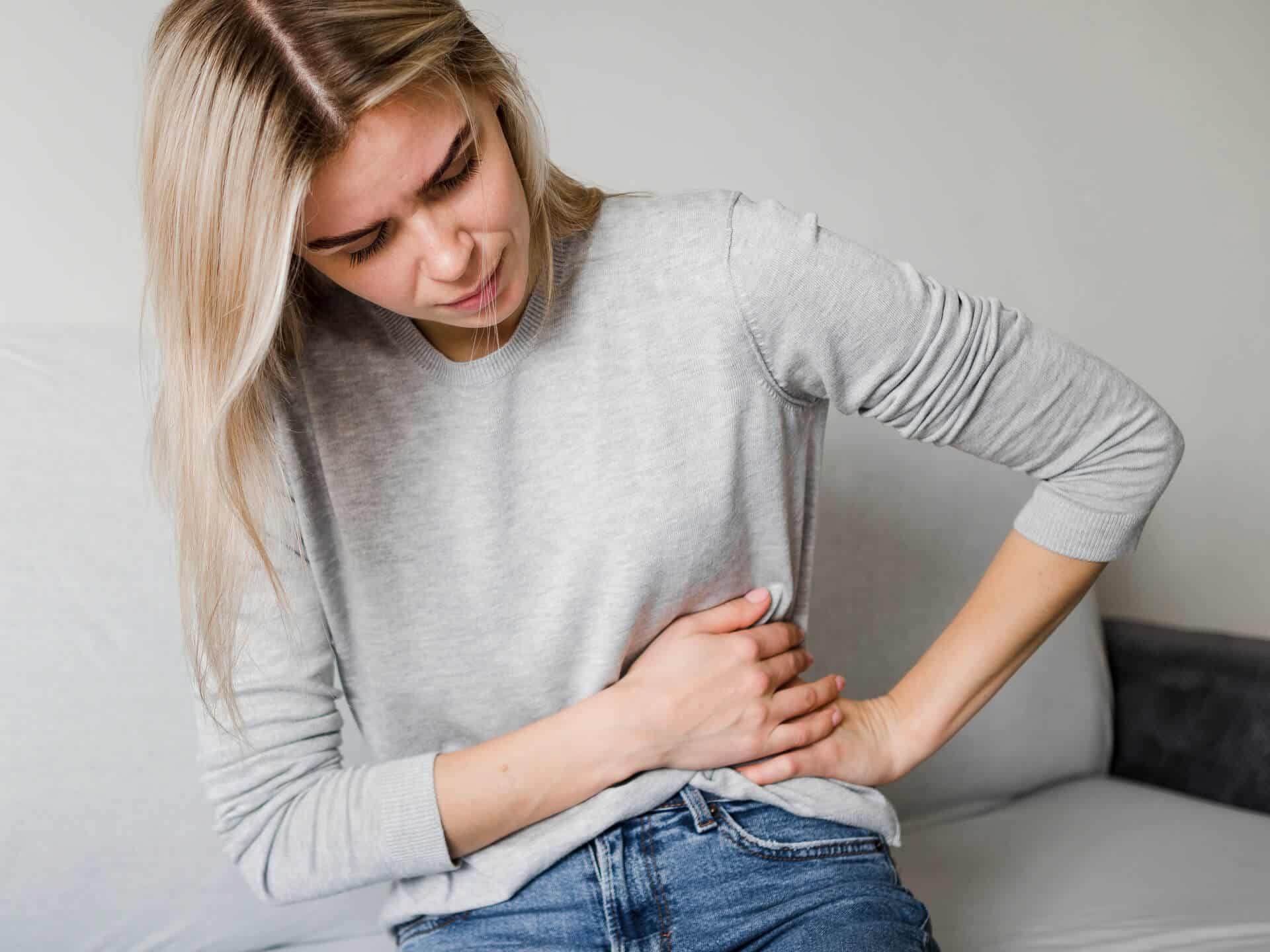
Pain in the left rib cage can stem from a wide range of causes, from a pulled muscle to conditions affecting the heart, lungs or abdominal organs. Knowing what might be responsible, and when the pain needs urgent attention, helps you act quickly and avoid unnecessary worry.
This guide covers the most common reasons for left rib pain, the tests doctors use, treatment options and the warning signs that should send you straight to A&E.
Pain under the left rib cage may originate from the chest wall, lungs, heart, digestive organs, kidneys or spleen.
Red flag symptoms such as crushing chest pressure, severe shortness of breath, sudden pain after injury with dizziness, or coughing up blood require same-day emergency care.
Common and usually less dangerous causes include costochondritis, bruised or broken ribs, irritable bowel syndrome and gastritis, but all benefit from proper clinical assessment.
When in doubt about chest pain, contact a healthcare professional rather than wait.
Understanding Pain Under the Left Rib Cage
The left rib cage extends from the upper left chest down to the upper left abdomen, roughly below the nipple line and around to the back. Beneath it sit several vital structures: the heart, left lung, stomach, spleen, the tail of the pancreas, part of the large bowel and the upper portion of the left kidney.
Pain under the left ribs can be:
Local: arising from bones, joints, muscles or nerves of the chest wall itself
Referred: felt under the ribs but generated by the heart, lungs, abdominal organs or spine
Acute: sudden onset, often sharp or stabbing
Chronic: ongoing, presenting as a dull ache, intermittent cramping or recurring discomfort
Because left rib pain and left side chest pain overlap closely, heart attack, lung disease and upper abdominal conditions must all be considered, particularly in adults over 35 to 40, smokers and those with existing heart disease, diabetes or high blood pressure.
The best person to talk to about pain under the left rib cage would be a consultant thoracic surgeon like Mr Marco Scarci, who can assess whether chest or rib pain has a structural or pulmonary cause and coordinate with cardiologists, gastroenterologists and other specialists where needed.
Want a specialist opinion on your condition?
Get a clear answer from a surgeon who will be with you throughout.
Quick Comparison of Common Causes
This symptom-based comparison helps match your pain pattern to possible causes. It is not a substitute for medical diagnosis.
Cause | Examples | Typical Pain Pattern | Associated Symptoms |
Musculoskeletal | Costochondritis, intercostal muscle strain, bruised or broken ribs | Sharp or stabbing, localised to a specific spot, worse with movement, deep breaths or pressure | Tenderness on pressing the affected area |
Heart-related | Angina, heart attack, pericarditis | Central or left-sided pressure or dull ache, may radiate to the arm, jaw or back | Shortness of breath, nausea, sweating, palpitations |
Lung and pleural | Pneumonia, pleurisy, pneumothorax, pulmonary embolism | Sharp pain worse with breathing or coughing | Breathlessness, cough, fever, chest infection symptoms |
Digestive | Gastritis, stomach ulcer, pancreatitis, IBS, IBD, diverticulitis, GERD | Burning, cramping or gnawing upper abdominal pain, often linked to meals | Bloating, heartburn, reflux, changes in bowel movements |
Spleen and kidney | Enlarged spleen, splenic infarct or rupture, kidney stones, kidney infection | Deep abdominal or flank pain in the upper left abdomen, may radiate to the back or groin | Fever, urinary symptoms, painful urination |
Musculoskeletal Causes: Costochondritis, Muscle Strain and Bruised or Broken Ribs
Muscle and chest wall problems are among the most frequent, and usually least dangerous, causes of left-sided rib cage pain, accounting for an estimated 20 to 50% of non-cardiac chest pain seen in emergency departments.
Costochondritis (inflammation of the rib cartilage connecting to the sternum) produces sharp, stabbing pain on one side that worsens with deep breathing, coughing or twisting and can be reproduced by pressing on the affected area. Most cases resolve within a few weeks with heat, anti-inflammatories and, in persistent cases, physiotherapy.
Intercostal muscle pain is localised pain aggravated by movement and deep breathing, typically settling within days to a few weeks with rest and simple analgesia.
Bruised or broken ribs, and their complications, usually follow physical trauma and produce intense pain that worsens with breathing, coughing or pressure; bruised ribs generally heal within 3 to 6 weeks, whilst fractures take around 4 to 6 weeks, sometimes longer in older adults or those with osteoporosis.
Good pain control throughout recovery is essential to allow normal deep breaths and reduce the risk of a secondary chest infection. Complex fractures, multiple fractures causing flail chest, or fractures that fail to heal may require surgical assessment and stabilisation by a thoracic surgeon.
Seek urgent care if rib pain follows significant trauma and is associated with difficulty breathing, a popping sensation or visible chest deformity.
Have a question about your diagnosis?
A consultation gives you a personalised plan — not a generic estimate.
Heart-Related Causes: When Chest Pain Under the Left Ribs Could Be Cardiac
Any new, severe or pressure-like left-sided chest pain should be treated as a possible heart problem until assessed.
Heart attacks typically cause heavy, squeezing or tight chest pain that may spread to the arm, jaw, neck or back, with breathlessness, sweating, nausea or faintness. Symptoms can be atypical, particularly in women, older adults and people with diabetes. They may present as upper abdominal or left rib pain. A suspected heart attack is a medical emergency: call 999 immediately.
Pericarditis causes sharp chest or left rib pain that worsens when lying down and improves when sitting forward. It may follow infection, autoimmune disease or heart surgery and is treated with anti-inflammatory medication and rest, with hospital assessment for severe cases.
Pain reproduced by touch or movement is more likely musculoskeletal, but seek medical assessment if in doubt.
Lung and Pleural Causes: Pleurisy, Pneumonia and Collapsed Lung
The left lung and its lining lie beneath the left rib cage, so lung conditions can cause pain that often worsens with breathing.
Pleurisy causes sharp pain with breathing, coughing, laughing or sneezing and may result from infection, pulmonary embolism, lung cancer or autoimmune disease. Treatment depends on the cause and may include pain relief, antibiotics or anticoagulants.
Pneumonia affecting the left lower lung can cause rib pain with fever, productive cough and breathlessness. Assessment may include a chest X-ray and antibiotics for confirmed bacterial infection.
A pneumothorax causes sudden one-sided chest pain, breathlessness and a rapid heart rate. It may occur spontaneously, with lung disease or after trauma, and treatment ranges from observation to drainage or surgery.
Coughing up blood with one-sided chest pain and breathlessness requires immediate medical attention, as it may indicate pulmonary embolism or another serious condition.
Digestive Causes: Stomach, Oesophagus and Pancreas
Gastritis and stomach ulcers cause burning or gnawing upper abdominal pain, often worsened by food, coffee, spicy foods or alcohol. Common causes include H. pylori infection and regular NSAID use. Treatment may include acid-suppressing medication, H. pylori eradication and lifestyle changes.
GERD causes burning chest or upper abdominal pain, often worse after meals or when lying down, with possible sour taste, regurgitation or chronic cough. Treatment includes lifestyle changes and acid-lowering medication.
Pancreatitis causes severe upper abdominal or left rib pain that may spread to the back. Gallstones and alcohol are common causes, and acute cases usually require urgent hospital treatment.
Bowel Conditions: IBS, Inflammatory Bowel Disease and Diverticular Disease
IBS can cause cramping abdominal pain, sometimes under the left ribs, with bloating, gas and changes in bowel habits. Pain often improves after passing stool or gas. Treatment may include dietary changes, stress reduction and medication.
Crohn’s disease and ulcerative colitis cause chronic digestive inflammation, leading to abdominal pain, diarrhoea, weight loss and fatigue. Treatment requires specialist care and may include anti-inflammatory, immunosuppressive or biologic medication.
Diverticular disease causes small pouches in the bowel wall, usually on the left side. If inflamed or infected, they can cause persistent pain, fever, nausea and bowel changes. Treatment ranges from dietary changes and antibiotics to hospital care or surgery for complications.
Seek same-day medical advice for left-sided abdominal pain with fever, ongoing diarrhoea, rectal bleeding or unexplained weight loss.
Spleen Problems and Pain Under the Left Rib Cage
An enlarged spleen (splenomegaly) can result from infections, liver disease, blood cancers or autoimmune conditions. It may cause fullness or pain under the left ribs, early satiety, fatigue or pain extending to the left shoulder.
A ruptured spleen causes sudden severe upper-left abdominal pain and signs of internal bleeding, such as pale, clammy skin, rapid heartbeat or faintness. It is a medical emergency requiring immediate treatment and sometimes surgery.
A splenic infarct can cause sharp, localised pain under the left ribs, sometimes with fever, and is diagnosed using blood tests and CT imaging. Treatment depends on the cause; some spleen conditions require laparoscopic splenectomy. After spleen removal, vaccination and prompt treatment of fevers are important because of the increased infection risk.
Kidney Stones and Kidney Infection on the Left Side
The upper left kidney lies near the back of the left rib cage, so kidney problems can cause pain under or just below the ribs.
Kidney stones can cause intense, cramping side pain that may spread to the groin, along with nausea, vomiting, blood in the urine or painful urination. Small stones may pass with fluids and pain relief, while larger or obstructing stones may require lithotripsy or surgery.
A kidney infection (pyelonephritis) causes flank pain with fever, chills and painful or frequent urination. It requires prompt assessment and antibiotics, sometimes in hospital.
Severe left-sided pain with fever, vomiting or difficulty passing urine requires same-day medical review.
How Doctors Diagnose Pain Under the Left Rib Cage
Diagnosis of chest and rib pain starts with a detailed pain history and physical examination of the chest, heart, lungs and abdomen, including vital signs.
Tests depend on the suspected cause and may include blood tests, ECG and serial troponin measurements, chest X-rays, ultrasound or CT scans. Endoscopy or colonoscopy may be needed if a digestive condition is suspected.
Persistent or complex pain may require referral to a thoracic surgeon or another specialist, depending on the likely cause. In specialist thoracic practice, advanced imaging and minimally invasive procedures such as video-assisted thoracoscopic surgery (VATS) may help when standard tests are inconclusive.
Treatment Options and Self-Care for Left Rib Cage Pain
Treatment depends on the cause. Musculoskeletal pain may improve with rest, activity modification, paracetamol or NSAIDs where appropriate, heat or cold packs, and physical therapy. Medical treatments include antibiotics for infections, acid-suppressing medication for gastritis, ulcers and GERD, cardiac treatment for angina or heart attacks, and anti-inflammatory or disease-modifying drugs for inflammatory conditions.
Some conditions need procedures such as keyhole lung surgery, including lithotripsy for larger kidney stones, treatment for complicated ulcers, gallstones or pancreatitis, and thoracic surgery for recurrent collapsed lung, chest wall tumours, complex rib fractures or selected lung cancers. Self-care should follow medical assessment of unexplained pain. Smoking cessation, regular exercise, a healthy diet and weight management can also reduce risk.
When to Seek Urgent or Emergency Medical Help
Call 999 or go to A&E immediately for sudden severe chest pain or pressure, especially if it spreads to the arm, jaw or back, or occurs with severe breathlessness. Urgent emergency care is also needed after significant trauma with dizziness or abdominal swelling, or for coughing up blood, very high fever with confusion, or sudden tearing pain in the back.
Seek same-day GP or urgent care for persistent pain with fever, vomiting, blood in the stool or urine, unexplained breathlessness, worsening abdominal symptoms, weight loss or night sweats, or a flare of a known condition such as inflammatory bowel disease, heart disease or previous collapsed lung. Milder movement-related pain without warning signs can usually be assessed by a GP or NHS 111, but should be reviewed if it persists beyond one to two weeks.
Living With Recurrent or Chronic Left Rib Cage Pain
Lifestyle and Self-Management
Regular low-impact exercise such as walking, swimming or cycling can support musculoskeletal, heart and lung health and digestion. Gentle stretching, breathing and relaxation exercises may reduce chest wall tension and pain sensitivity, while tailored dietary changes can help manage IBS or GERD, with dietitian support where needed.
Psychological and Support Aspects
Chronic pain affects mood, sleep and daily life. Seeking support from healthcare professionals, counsellors and support groups is practical, especially for conditions such as IBD or chronic pancreatitis. In complex thoracic cases, ongoing follow-up with a specialist may be recommended to monitor structural problems or post-surgical recovery.
Specialist Thoracic Care for Left Rib Cage Pain

Mr Marco Scarci is a consultant thoracic surgeon based in London, providing both private and NHS care for chest and lung conditions that cause pain under the ribs and across the chest wall. He holds qualifications including MD (Honours), FRCS (Eng), FCCP, FACS and FEBTS, with over 170 peer-reviewed publications and leadership roles in the European Society of Thoracic Surgeons.
Key areas of expertise relevant to left rib cage pain include:
Surgical management of lung conditions including lung cancer and complex pleural disease, using minimally invasive keyhole (VATS) and robotic techniques
Treatment of pneumothorax, pleural effusions and chest wall tumours presenting with left-sided chest or rib pain
Assessment and surgical fixation of complex or non-healing rib fractures that fail to settle with conservative care
Face-to-face and virtual consultations are available for UK and international patients. Mr Scarci’s private practice takes a collaborative approach with cardiologists, respiratory physicians, gastroenterologists and pain specialists where multidisciplinary care is needed. Patients with persistent or structurally complex pain in the left rib cage can arrange a consultation directly.
"Dr. Marco Scarci is a deeply knowledgeable, open-minded, and empathetic surgeon. He listens to details and solves problems to truly deliver the most optimal results. As a medical professional myself, I can tell you that finding a specialist like Dr. Scarci is very rare, and it is a privilege to have him in my corner."
Frequently Asked Questions
Could pain under my left rib cage be a heart attack even if it feels like indigestion?
Yes. Heart attacks can cause indigestion-like or upper abdominal discomfort rather than typical chest pain. Women, older adults and people with diabetes are more likely to have atypical symptoms. New or severe pain with sweating, breathlessness or feeling unwell needs urgent assessment.
How long do bruised or broken ribs usually take to heal?
Bruised ribs often improve within 2–3 weeks, while broken ribs usually take 4–6 weeks or longer. Good pain relief helps maintain normal breathing and reduce chest infection risk. Persistent severe pain or breathing difficulties should be assessed.
When should I worry about left rib cage pain after exercise?
Mild soreness after unfamiliar exercise usually settles within a few days. Seek medical advice for sudden sharp pain with a popping sensation, worsening pain, breathlessness, dizziness, chest tightness, or pain that limits movement or deep breathing. Recurrent pain may benefit from physical therapy.
Can irritable bowel syndrome cause pain high up under the left ribs?
Yes. IBS can cause pain around the splenic flexure, often with bloating and changes in bowel habits. Pain may improve after passing stool or gas. Blood in the stool, weight loss, night sweats or persistent severe pain warrants medical assessment.
Do I need to see a specialist surgeon, or should I start with my GP?
Most people should start with their GP for an initial assessment and tests. A thoracic surgeon may be appropriate for structural chest problems, abnormal imaging suggesting a surgically treatable condition, or persistent symptoms requiring specialist assessment.
