Understanding Lung Cancer Screening: When is Surgery the Right Choice?

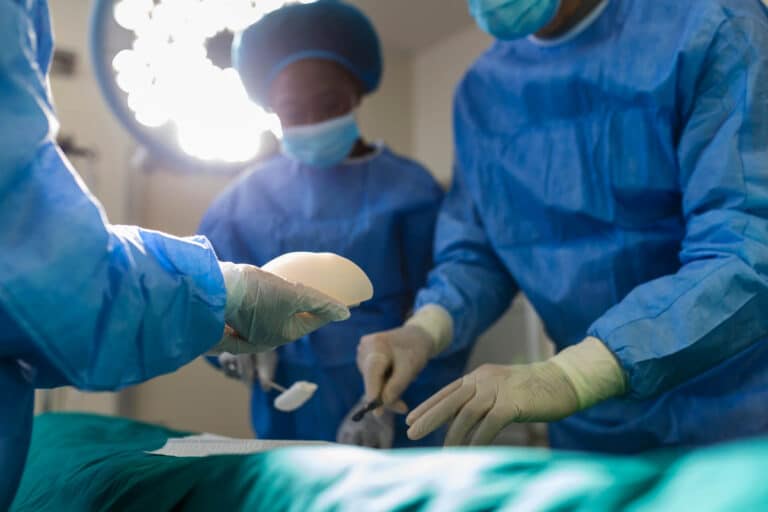
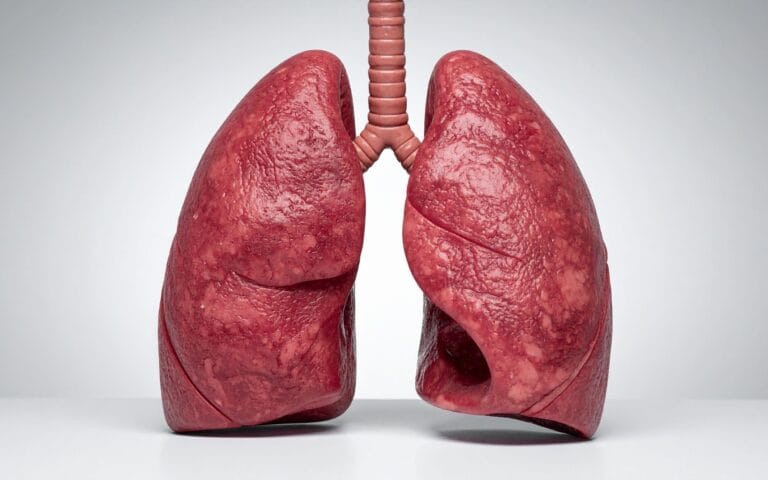
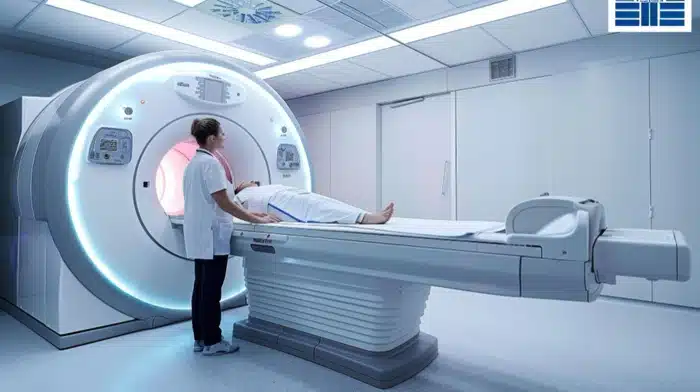
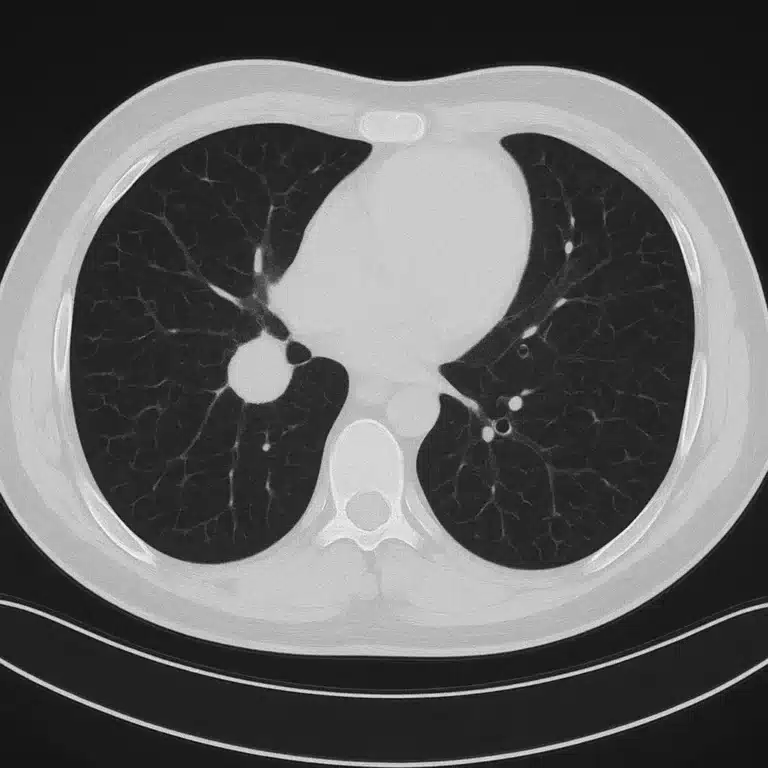
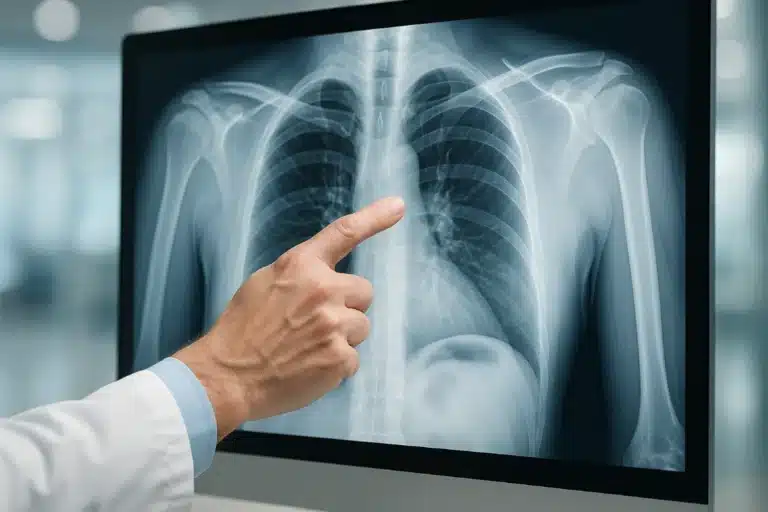
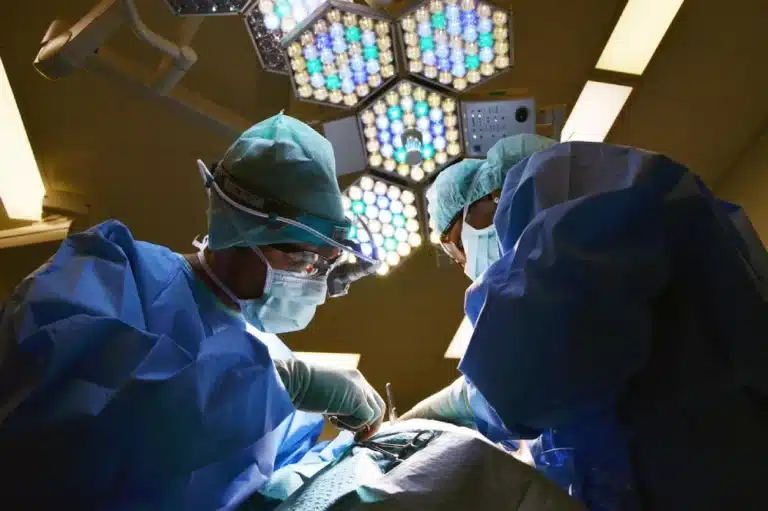
Lung cancer remains one of the most common and deadly cancers worldwide, but early detectioncan make a significant difference. Screening plays a crucial role in finding lung cancer at an early,more treatable stage. However, not everyone with a positive screening result will require surgery.Determining when surgery is necessary depends on several factors, including the cancer’s […]
Understanding the Multidisciplinary Team Behind Lung Cancer Surgery

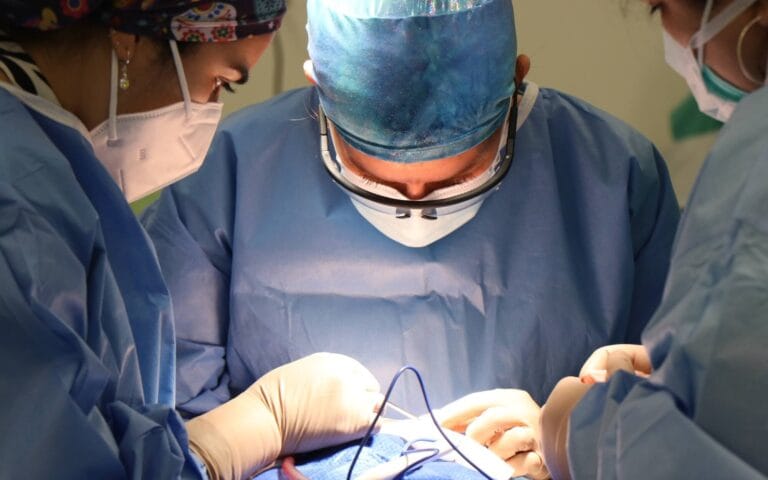
Lung cancer treatment is a complex journey that often requires a comprehensive approach to care. At the heart of this process is a multidisciplinary team that collaborates to provide patients with the best possible outcomes. Understanding the roles of each team member can empower patients and their families to engage more effectively in their treatment […]
Advancements in Lung Cancer Treatment: What’s on the Horizon?

Introduction Lung cancer remains one of the leading causes of cancer-related deaths worldwide, but recent advancements in treatment have transformed the landscape of care and improved outcomes for many patients. As research progresses and new therapies are developed, the future looks promising for lung cancer patients. In this blog, we’ll explore some of the most […]
Nutrition for Lung Cancer: Foods That Support Recovery and Well-Being

Introduction A cancer diagnosis can be overwhelming, but nutrition plays a crucial role in supporting recovery and overall well-being for lung cancer patients. Proper nutrition can help strengthen the immune system, maintain energy levels, and promote healing during and after treatment. In this blog, we’ll explore the importance of nutrition for lung cancer patients and […]
Life After a Lung Cancer Diagnosis

Introduction – Coping Mechanisms and Support Systems Receiving a lung cancer diagnosis can be life-altering, leading to a whirlwind of emotions, physical changes, and uncertainty about the future. While the journey can be challenging, understanding effective coping mechanisms and accessing support systems can help individuals navigate life after a lung cancer diagnosis. This blog will […]
How Much Does Smoking Increase Cancer Risk? (And How to Quit)

Introduction How much does smoking increase cancer risk? Smoking is responsible for approximately 80-90% of all lung cancer cases. Despite widespread awareness of the dangers, many individuals continue to smoke due to addiction and social influences. Understanding how smoking increase lung cancer risk and learning effective strategies to quit can empower you to take control of your […]
What are the risks for Thoracic Surgery? Find out from the exports

As of my last update in September 2023, thoracic surgery, like any other type of surgery, encompasses various procedures that may involve organs within the chest such as the heart, lungs, esophagus, and other structures. The specific risks associated with thoracic surgery can depend on the particular procedure, the patient’s overall health, and several other […]
Lung Cancer Surgery: What to Expect

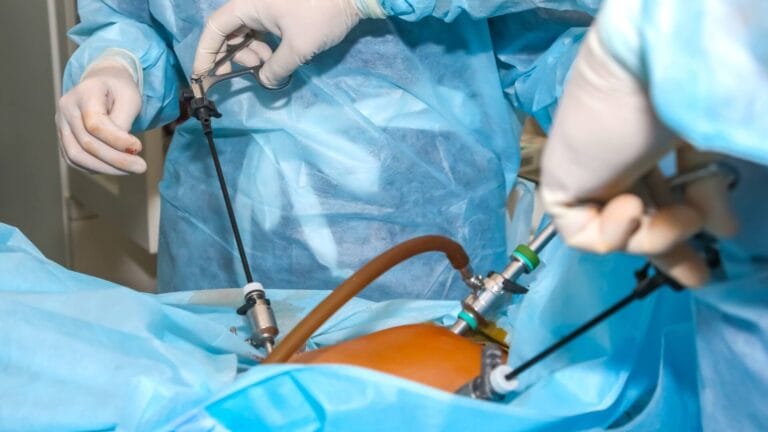
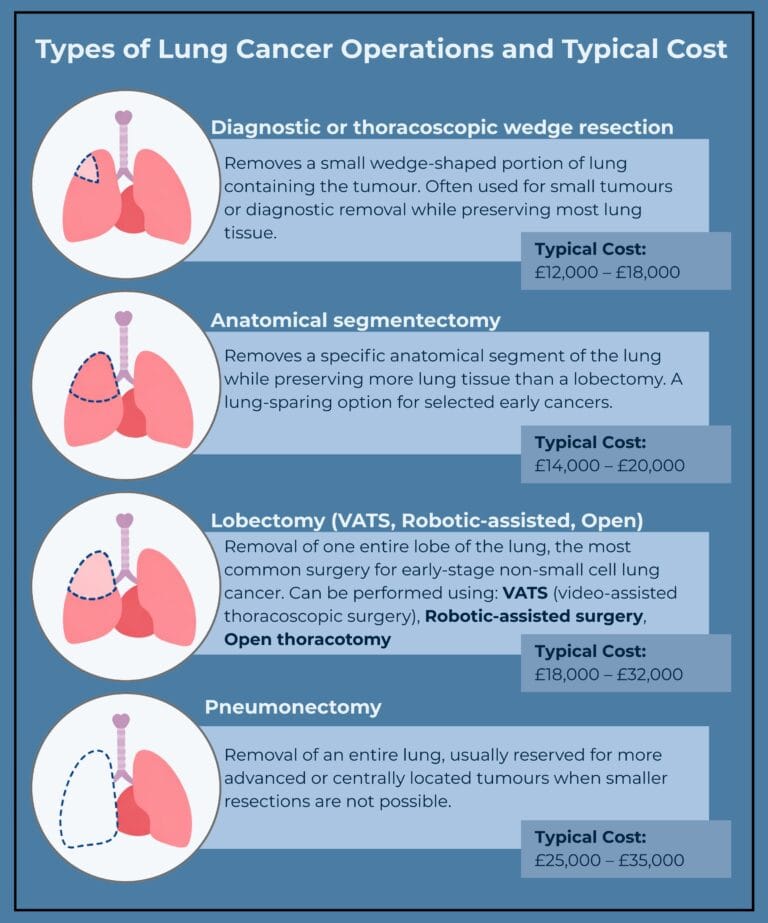
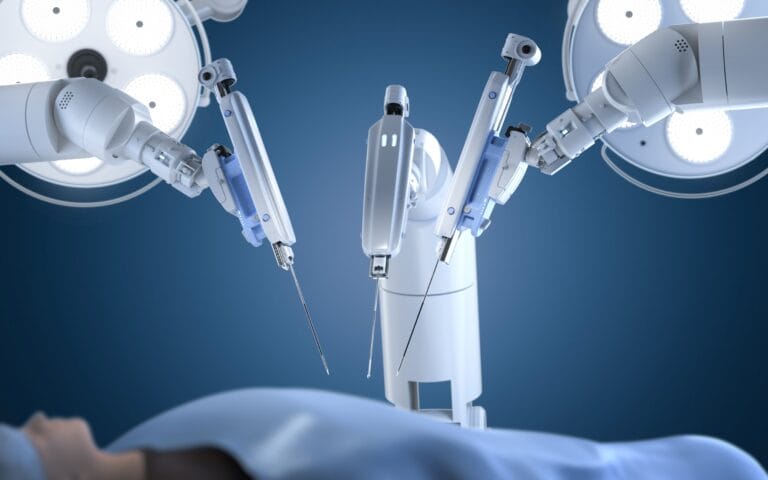
Understanding Lung Cancer Surgery A diagnosis of lung cancer is, understandably, very upsetting. In this article, I will try to simplify the type of surgery and, more importantly, explain that a lot has changed in lung cancer care over the years and that there is hope. Main Types of Lung Cancer Surgery Surgery for lung […]
Lung cancer treatment by stage explained

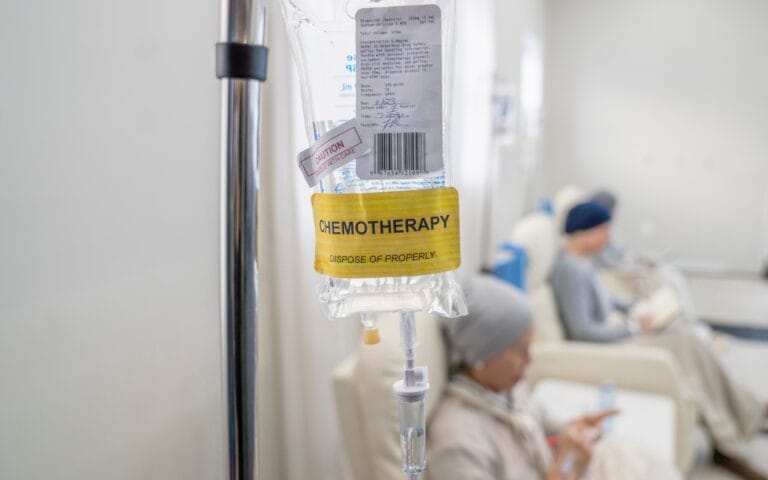
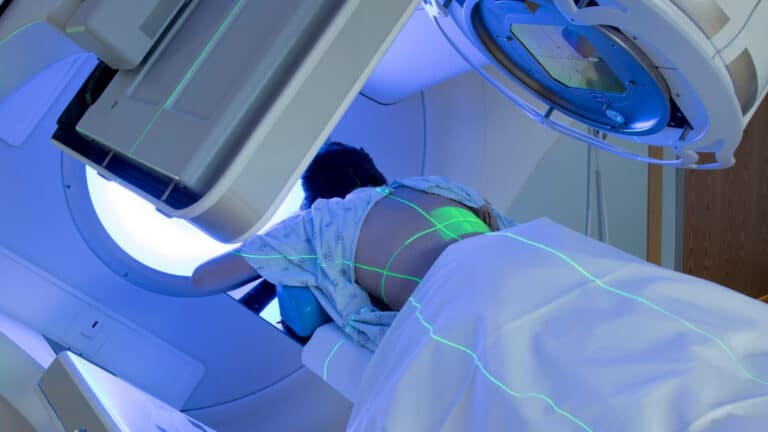
How is lung cancer treated according to the stage? The Lung cancer treatment varies according to the stage of the disease. For early-stage non-small cell lung cancer (NSCLC), the most common treatment is surgery to remove the affected part of the lung. Other treatments for early-stage NSCLC may include radiation therapy and chemotherapy. For advanced-stage NSCLC, treatment […]
How to prevent lung cancer?

There are several ways to prevent lung cancer, including: 1. Stop smoking: Quitting smoking and avoiding tobacco products is the most effective way to prevent lung cancer. 2. Avoid second-hand smoke: Second-hand smoke, also known as passive smoking, can increase your risk of lung cancer. 3. Avoid exposure to harmful chemicals: Exposure to radon, asbestos, […]